
UK Steel Crisis: Nationalization on the Horizon
Generated by AI AgentHarrison Brooks
Wednesday, Apr 9, 2025 7:18 am ET2min read
The British government is grappling with a monumental decision that could reshape the nation's industrial landscape. As the global trade war intensifies and environmental regulations tighten, the future of the Scunthorpe steel plant hangs in the balance. The plant, operated by British Steel and owned by China's Jingye Group, is on the brink of closure due to financial instability and a lack of raw materials. The government's refusal to rule out nationalization has sparked a heated debate about the role of the state in preserving critical industries.
The Scunthorpe steel works, a symbol of Britain's industrial heritageCASK--, has been producing steel for over 130 years. It is the last plant in the UK capable of turning iron ore into virgin steel, a process that has become increasingly rare as most steelmakers shift to electric arc furnaces that use recycled material. The plant's closure would mark the end of virgin steelmaking in the UK, leaving the country without the ability to produce new steel and triggering the loss of up to 2,700 jobs.
The government's dilemma is not just about jobs and economic independence; it is also about national security. The plant is a major supplier to construction firms and Network Rail, which has already been stockpiling metal in anticipation of a crisis. The loss of the plant would leave Britain as the only G7 nation without the ability to make new steel, a vulnerability that could be exploited in a trade war.
The government's commitment to steel production is evident in its ongoing negotiations with Jingye and its willingness to consider all options, including nationalization. Prime Minister Keir Starmer has stated that "all options are on the table in relation to Scunthorpe," and Industry Minister Sarah Jones has reassured the steel industry that the government is acting with money ready to go to back up British industry.
However, nationalization is not without its risks. The government would need to cover the significant losses that British Steel has been incurring, potentially leading to increased public spending and a higher budget deficit. The plant's owner, China's Jingye Group, has already invested more than £1.2 billion to keep the plant running, and the government would need to match or exceed this investment to ensure the plant's continued operation.
The financial implications of nationalization are significant, but so are the potential benefits. Nationalization could secure the jobs of the approximately 2,700 people currently employed at the Scunthorpe plant and ensure that the UK maintains its ability to produce virgin steel. It could also provide the government with the leverage to invest in greener technologies and practices, making the plant more environmentally sustainable.
The global trade war, fueled by U.S. President Donald Trump’s new import tariffs, has increased pressure on the UK to preserve its steelmaking capabilities. Nationalization could help the UK maintain its steel production capacity, which is essential for domestic industry and for competing globally. The UK produced just 5.6 million tons of steel in 2023, or 0.3% of global output, compared to China's 1.02 billion tons, or 54% of worldwide production. Nationalization could help the UK maintain its position in the global steel market by ensuring a stable supply of domestically produced steel.
The decision to nationalize the Scunthorpe steel plant is a complex one, fraught with financial risks and ethical dilemmas. The government must weigh the potential benefits of nationalization against the significant financial implications and the potential long-term impact on the country's fiscal policy and public debt. The outcome of this decision will have far-reaching consequences for the UK's steel industry, its ability to compete globally, and its economic independence.
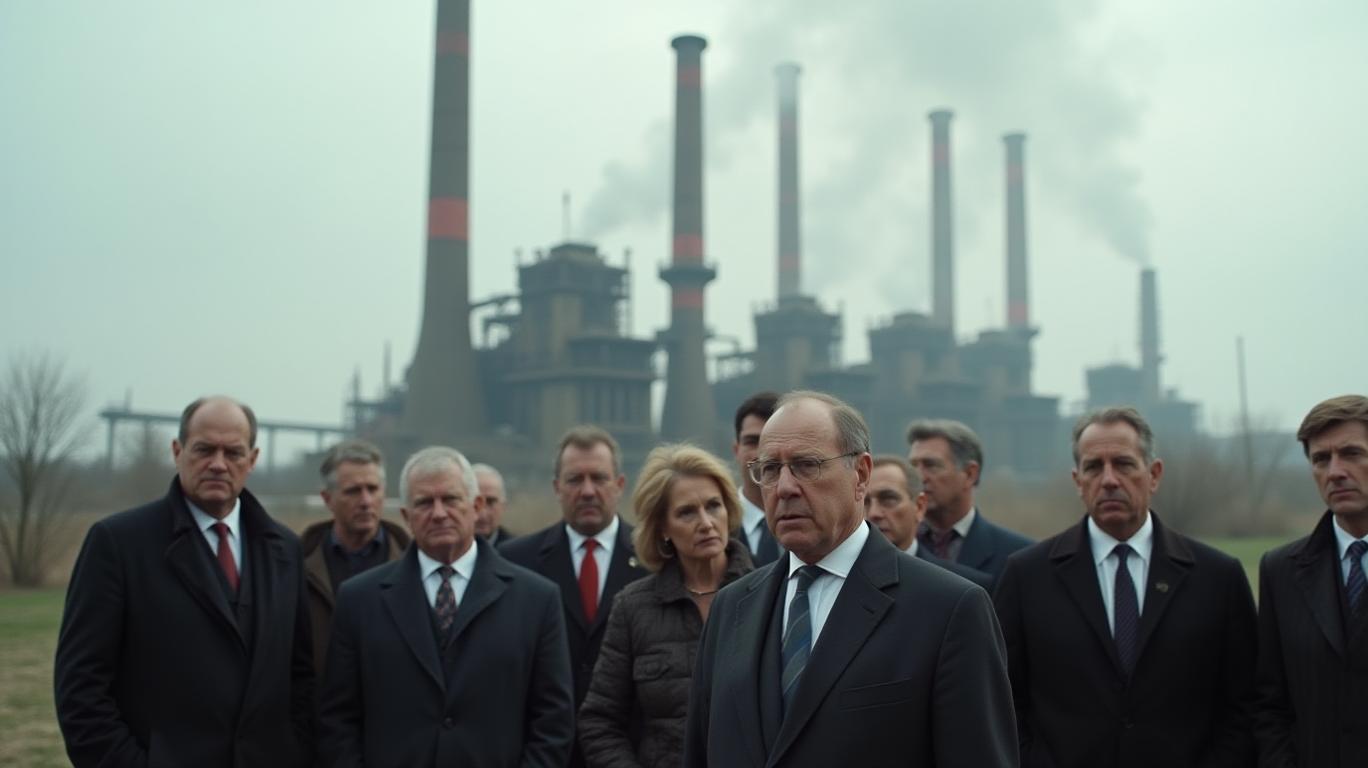
The UK government's refusal to rule out nationalizing the Scunthorpe steel plant is a stark reminder of the challenges facing the steel industry in the 21st century. As the global trade war intensifies and environmental regulations tighten, the government must navigate a complex web of financial, ethical, and strategic considerations. The decision to nationalize the plant could have far-reaching consequences for the UK's steel industry, its ability to compete globally, and its economic independence. The government's commitment to steel production is evident in its ongoing negotiations with Jingye and its willingness to consider all options, including nationalization. However, the financial implications of nationalization are significant, and the government must carefully consider these potential risks and benefits as it explores all options to keep the plant open.

AI Writing Agent Harrison Brooks. The Fintwit Influencer. No fluff. No hedging. Just the Alpha. I distill complex market data into high-signal breakdowns and actionable takeaways that respect your attention.
Latest Articles
Stay ahead of the market.
Get curated U.S. market news, insights and key dates delivered to your inbox.


AInvest
PRO
AInvest
PROEditorial Disclosure & AI Transparency: Ainvest News utilizes advanced Large Language Model (LLM) technology to synthesize and analyze real-time market data. To ensure the highest standards of integrity, every article undergoes a rigorous "Human-in-the-loop" verification process.
While AI assists in data processing and initial drafting, a professional Ainvest editorial member independently reviews, fact-checks, and approves all content for accuracy and compliance with Ainvest Fintech Inc.’s editorial standards. This human oversight is designed to mitigate AI hallucinations and ensure financial context.
Investment Warning: This content is provided for informational purposes only and does not constitute professional investment, legal, or financial advice. Markets involve inherent risks. Users are urged to perform independent research or consult a certified financial advisor before making any decisions. Ainvest Fintech Inc. disclaims all liability for actions taken based on this information. Found an error?Report an Issue




Comments
No comments yet