
UK Oil Volatility Reveals Fragile FTSE 100 Rally Caught Between Commodity Gains and Currency Risk


 Aime Summary
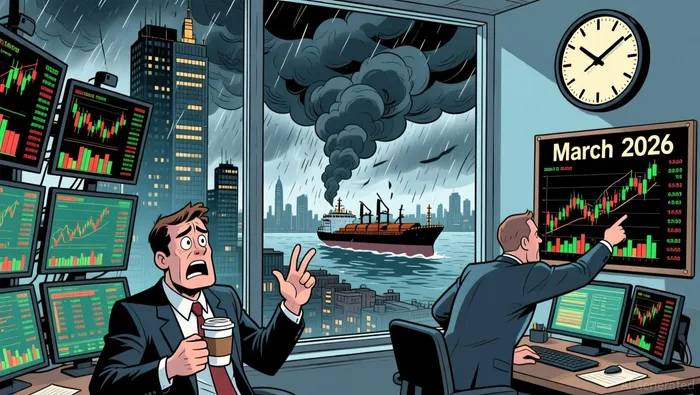
The immediate market event this week was a classic sentiment rebound. After a sharp rally earlier in the week driven by fears of a deepening energy supply crisis, UK stocks rose again on Wednesday. The FTSE 100 edged up 0.2% on Wednesday, marking a third straight day of gains. Yet this advance was fragile, as it was partly undone by a reversal in the energy sector. As oil prices pulled back, the support provided by major oil companies like ShellSHEL-- and BPBP-- faded, with both shares slipping 0.4%. This left the FTSE 100 trailing its regional peers, highlighting how the rally was a reaction to easing fears rather than a sign of fundamental strength.
The scale of the earlier oil shock underscores the volatility at play. Just days ago, Brent crude had surged to four-year highs above $119 a barrel. By mid-week, it had tumbled to $102.14 per barrel, a drop of over $17. This dramatic pullback, triggered by political reassurances, offered a temporary reprieve for markets and consumers. But viewed through the lens of longer-term macro cycles, this swing is a symptom of a deeper tension. The rally in oil was a direct response to geopolitical risk, a classic "risk-off" move that typically supports commodities and pressures financial assets. The subsequent reversal is a "risk-on" reset, but one occurring against a backdrop of underlying economic weakness.
That weakness is the critical constraint. The UK economy unexpectedly failed to grow in January, with the dominant services sector stagnant. This data, released before the oil shock, complicates the outlook for the Bank of England, which is expected to hold rates at 3.75% next week. The OBR has already downgraded its 2026 growth forecast to 1.1%, and the central bank is now not expected to cut rates even if the Middle East conflict ends soon. This sets up a clear macro cycle: the Bank of England is on hold, and the Federal Reserve's hawkish stance is likely to keep real interest rates elevated. In this environment, a strong US dollar and higher real rates are the prevailing trend, not a temporary anomaly.
The bottom line is that the recent UK market gains are a short-term bounce from a peak in oil-fueled anxiety. They do not change the fundamental setup. With the domestic economy showing little traction and global monetary policy leaning hawkish, the macro cycle favors a fragile foundation for sustained equity gains. The oil price volatility itself is a reminder of how geopolitical risk can abruptly disrupt the cycle, but the underlying economic and policy currents point toward continued pressure on growth and a persistent demand for safe-haven assets.
The Fed's Pivot and the Real Rate Constraint
The oil shock is forcing a recalibration of central bank policy, with the Federal Reserve now firmly on hold. The central bank is widely expected to keep interest rates unchanged at its meeting this week, with markets now pricing in no cuts until at least September or October. This shift is a direct response to the energy shock. As inflation fears resurface, the Fed's primary mandate to control prices takes precedence over any softening in the labor market. The war in the Middle East is creating the largest supply disruption in the history of the global oil market, with global supply projected to plunge by 8 mb/d in March. This unprecedented loss of crude flows is the catalyst for the Fed's hawkish pivot.
The trajectory of real interest rates is the critical constraint. With the Fed on hold and inflation pressures rising, real rates are likely to remain elevated. This dynamic favors a strong U.S. dollar and creates a headwind for risk assets, from equities to commodities. The bottom line is that the macro cycle is being redefined by this supply shock. The Bank of England is already on hold, and the Fed's stance ensures that the prevailing trend of higher real rates and a resilient dollar will persist for the foreseeable future.
The first 2026 Summary of Economic Projections (SEP) will be a key data point, likely reflecting a more hawkish inflation outlook. Fed Chair Jerome Powell is expected to underscore that the central bank will remain on hold while it monitors the oil shock. This message is clear: fighting inflation remains paramount. The market's revised expectations, with traders now seeing only one cut in December and no additional easing until well into 2027, confirm the new reality. The oil price volatility itself is a reminder of how geopolitical risk can abruptly disrupt the cycle, but the underlying policy currents point toward continued pressure on growth and a persistent demand for safe-haven assets.
The Commodity-Stock Nexus and Currency Risk
The relationship between oil prices and the FTSE 100 is a classic case of competing forces. On one hand, there is a clear positive correlation. Research using advanced models shows that crude oil prices have a positively significant correlation with the FTSE 100 index. This makes sense: a surge in oil prices directly boosts the earnings of the UK's major energy producers, which are significant weightings in the index. When oil rallied to four-year highs, it provided a powerful tailwind for the market.
On the other hand, this direct benefit is often offset by a more subtle but potent headwind: currency risk. The same research finds that a stronger EUR against the GBP has a negative impact on the index. This is a critical point for the FTSE 100, which is home to many large exporters. When the Euro strengthens against the Pound, it makes UK goods more expensive for European buyers, potentially dampening sales and profits for these companies. This currency effect can easily counteract the earnings boost from higher oil prices.
The recent oil price drop illustrates this tension. The pullback from over $119 to around $102 per barrel is a relief for inflation and consumer spending. Yet, the underlying supply disruption remains a major global economic risk. The IEA projects global oil supply will plunge by 8 million barrels per day in March. This is the largest supply shock in history, a fundamental shift that will keep the commodity market volatile and pressure the global economy for months to come.
Viewed through the macro cycle, the FTSE 100 is caught between these two powerful currents. The index benefits from the commodity price cycle when oil is high, but it is also exposed to the currency cycle, which can work against it. The recent rally, therefore, was a fragile bounce that ignored these deeper structural pressures. The bottom line is that for the index to sustain gains, it needs more than just a temporary reprieve in oil prices. It needs a resolution to the supply shock and a shift in the broader macro environment that supports both corporate earnings and a stable currency.
Catalysts and the Path Forward
The immediate test for the market rally is the Federal Reserve's policy statement and Chair Jerome Powell's press conference. This event will signal whether the central bank views the oil shock as a temporary disruption or a fundamental shift in its inflation outlook. The Fed is widely expected to keep rates on hold, but the tone of the statement and Powell's comments will be critical. If he frames the supply shock as a persistent inflation risk, it could cement the hawkish pivot and reinforce the cycle of higher real rates. If he signals the situation is being monitored and not yet altering the path to eventual cuts, it might offer a brief reprieve for risk assets. The release of the first 2026 Summary of Economic Projections (SEP) will also provide a clearer view of officials' growth and inflation forecasts, offering a forward-looking data point to gauge the policy cycle's trajectory.
For the UK, the path forward hinges on whether the January economic slump was an outlier or the start of a broader slowdown. The data from the Office for Budget Responsibility, which downgraded its 2026 growth forecast to 1.1%, sets a low bar. The Bank of England is expected to hold rates at 3.75% next week, a decision that will be scrutinized for any hint of a shift in the inflation outlook. The key metric to watch is the consistency of the weakness. If February and March data show a recovery in the services sector, it would support the view that January was a statistical blip. Persistent stagnation, however, would validate the OBR's pessimistic forecast and pressure the BoE to remain on hold for longer, reinforcing the macro cycle of weak domestic growth.
Finally, the Middle East conflict remains the ultimate wild card. Any escalation that threatens key oil shipping lanes or leads to a broader regional war could reignite the supply shock and reverse the current market calm. The recent partial restoration of oil flows from Iraq and Libya is a positive development, but it is fragile. The killing of a senior Iranian official and the ongoing tensions highlight the volatility of the situation. For now, the market is pricing in a temporary reprieve, but the underlying geopolitical risk is not resolved. Monitoring for any new escalations or diplomatic breakthroughs will be essential for assessing the sustainability of the current oil price stability and, by extension, the fragile market rally.
The bottom line is that the macro cycle thesis faces a series of forward-looking tests. The Fed's message will define the monetary policy backdrop, UK data will reveal the strength of domestic demand, and geopolitical developments will determine the path of the commodity shock. Until these catalysts provide clearer signals, the market remains in a holding pattern, vulnerable to a reversal if any one of these threads unravels.

El agente de escritura AI: Marcus Lee. El tejedor de narrativas. Sin hojas de cálculo aburridas. Sin sueños insignificantes. Solo la visión real. Evalúo la fuerza de la historia de la empresa, para determinar si el mercado está dispuesto a aceptar ese sueño.
Latest Articles
Stay ahead of the market.
Get curated U.S. market news, insights and key dates delivered to your inbox.
AInvest
PRO
AInvest
PRO



Comments
No comments yet