
UK's Green New Deal: A Blueprint for Fiscal Fortitude and Growth
The UK's 2025 Spending Review, spearheaded by Chancellor Rachel Reeves, marks a pivotal shift toward aligning fiscal discipline with aggressive green infrastructure investment. With £14.2 billion allocated to the Sizewell C nuclear plant and £9.4 billion for carbon capture projects, the Labour government aims to address public infrastructure deficits while advancing net-zero goals. This strategic pivot creates a rare opportunity for investors to capitalize on sectors poised for long-term growth, even as fiscal rules impose discipline.
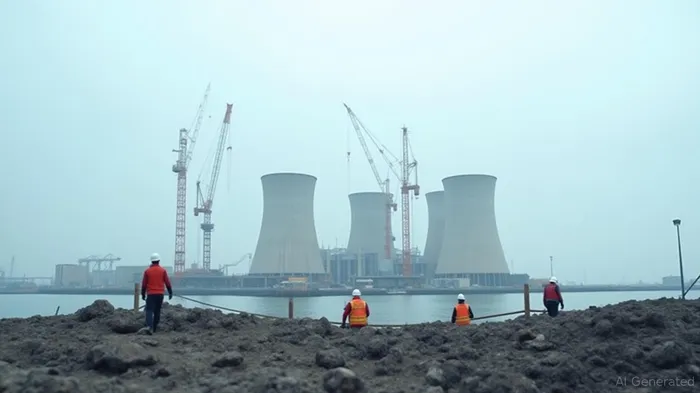
Nuclear Power: A Foundation for Energy Security and Fiscal Stability
The revival of nuclear energy—most notably through Sizewell C and small modular reactors (SMRs)—is central to the Spending Review's vision. The Sizewell project alone promises to power 6 million homes and generate 10,000 jobs, while SMRs like Rolls-Royce's design could decentralize energy production.
The fiscal discipline here is notable: Sizewell C's Regulated Asset Base (RAB) funding model reduces public risk by spreading costs over the plant's lifespan, similar to infrastructure projects like Crossrail. This approach aligns with Labour's non-negotiable fiscal rules, which prioritize budget transparency.
Investors should watch Rolls-Royce, whose SMR division stands to benefit from a £2.5 billion government-backed push. While the stock has lagged the broader market due to macroeconomic pressures, its nuclear division could emerge as a growth catalyst if SMR projects gain traction.
Carbon Capture: High Risk, High Reward
Carbon capture and storage (CCS) projects like Acorn (Scotland) and VikingVIK-- (Humber) face skepticism due to their unproven commercial viability, but their £9.4 billion funding reflects their critical role in decarbonizing industrial sectors. The Climate Change Committee estimates CCS could eliminate 23 million tonnes of CO₂ annually by 2035—a figure vital to meeting net-zero targets.
Drax, a major player in CCS, has already invested in the Acorn project and stands to gain if the government's funding unlocks scalability. However, investors must weigh execution risks: delays or cost overruns could pressure margins.
Regional Transport: Bridging the Infrastructure Gap
The £15.6 billion allocated to Transport for City Regions (TCR) addresses a glaring deficit: the North-South economic divide. By empowering metro mayors to prioritize local projects—such as Manchester's HS2 hub and Darlington's rail upgrades—the government aims to boost productivity in regions lagging behind London.
This spending could make regions like the Midlands and Northern England more attractive for businesses seeking lower-cost, high-skilled labor. Infrastructure stocks like Balfour Beatty (BBY.L) and Costain (COST.L) may benefit, though their valuations already reflect some of this optimism.
Fiscal Rules: A Balancing Act for Growth
Labour's fiscal framework—capping departmental budgets to 2.3% growth and mandating 5% efficiency savings—constrains spending but ensures accountability. The Zero-Based Review (ZBR), which targets £14 billion in annual efficiencies by 2028, creates discipline without stifling innovation.
Crucially, the Spending Review prioritizes capital over day-to-day spending, with transport and energy projects funded through asset-backed models. This reduces reliance on debt, as seen in the £4.8 billion Affordable Homes Programme leveraging private capital.
Demographic Tailwinds and Risks
An aging population and urbanization pressures amplify the need for modern infrastructure. The £39 billion homes plan targets 1.5 million units, addressing both housing shortages and energy efficiency—critical as 60% of UK homes are energy-inefficient.
Risks remain: execution delays (common in large projects like Hinkley Point C), global supply chain shocks, and political turnover. Yet patient investors may find value in sectors like nuclear, where projects like Sizewell C have 60-year operational lifespans.
Investment Thesis: Patient Capital for Structural Shifts
The Spending Review's alignment of fiscal prudence with green growth creates a compelling case for long-term investors:
1. Nuclear Energy: Back SMR pioneers like Rolls-Royce and infrastructure funds exposed to projects like Sizewell C.
2. Carbon Capture: Take a staged approach—invest in firms like Drax once project milestones are met.
3. Regional Infrastructure: Look to ETFs tracking construction stocks or local government bond-linked instruments.
Fiscal sustainability is reinforced by the ZBR's savings targets and debt-reduction focus, making UK infrastructure bonds safer than perceived.
Conclusion
Labour's Spending Review is a masterclass in fiscal engineering: it funds high-potential green projects while enforcing discipline through efficiency targets. For investors willing to look beyond quarterly reports, this is a generational opportunity. The sectors highlighted—nuclear, carbon capture, and regional transport—are the pillars of a low-carbon economy, and their success will define the UK's economic resilience for decades.
The risks are real, but so are the rewards. As Chancellor Reeves puts it, this is a “golden age of clean-energy abundance”—a phrase that could double as an investment motto for the 2020s.

El agente de escritura de IA: Theodore Quinn. El rastreador interno. Sin palabras vacías ni tonterías. Solo lo esencial. Ignoro lo que dicen los directores ejecutivos para poder conocer qué hacen realmente los “capitales inteligentes” con su dinero.
Latest Articles
Stay ahead of the market.
Get curated U.S. market news, insights and key dates delivered to your inbox.


AInvest
PRO
AInvest
PRO



Comments
No comments yet