
UK Cuts Luxury Car Subsidies to Spur Domestic Auto Production
 Aime Summary
Luxury vehicles from BMW AG and Mercedes-Benz Group AG will no longer be available through the UK's Motability scheme, a program that provides disabled individuals with access to new cars through a mobility allowance. The move comes amid growing criticism that taxpayers should not be subsidizing high-end vehicles according to reports. Motability, a public limited company, generates nearly £7 billion in revenue annually and accounts for about one-fifth of new car sales in the UK according to data.
The decision to exclude premium brands from the Motability scheme was announced alongside a broader push to increase the number of British-built vehicles leased through the program according to the latest announcement. 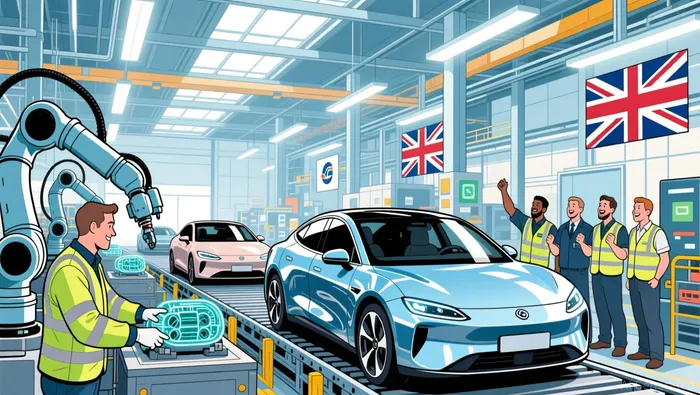 Motability has set a target of sourcing half of its vehicles from UK factories by 2035 according to the company's goals. This includes expanding the number of Nissan vehicles leased to disabled drivers, with plans to double the current figure to 40,000 according to the latest update.
Chancellor Rachel Reeves has backed the changes, stating they will support thousands of skilled jobs in the automotive sector. The Motability scheme, which has been in operation for decades, allows disabled drivers to lease vehicles by using a portion of their disability benefits. The removal of luxury cars from the program is not expected to increase costs for taxpayers, as disabled individuals have always paid for the premium features of those vehicles out of their own pockets.
Motability's Strategic Shift
The Motability scheme currently leases around 300,000 vehicles annually, with premium brands making up only 5% of the total fleet. Despite their small share, the inclusion of high-end vehicles has drawn significant public scrutiny. Critics argue that luxury cars are unnecessary for mobility purposes and that the program should focus on providing practical, cost-effective transportation for disabled individuals according to advocacy groups.
The decision to remove BMW and Mercedes from the program aligns with Motability's broader goal of supporting UK car manufacturing according to company statements. The company aims to boost domestic production by working with manufacturers such as Nissan and Toyota, both of which have UK-based factories. Mini, a brand owned by BMW, could also benefit from the initiative by resuming production of electric vehicles at an Oxford-based plant according to industry analysis.
Motability has also signaled its intention to double the number of British-built Nissan vehicles in the program, further strengthening domestic car production. This shift could provide a significant boost to the UK automotive industry, which has faced years of decline and factory closures.
Controversy and Advocacy
The potential introduction of VAT on Motability vehicles has sparked concerns among disability rights groups. Disability Rights UK has warned that adding VAT would increase the cost of vehicles for disabled individuals by thousands of pounds, making travel more difficult for those with mobility issues. The Motability Campaign Collective, a coalition of disability advocates, has also raised alarms, stating that turning mobility support into a political issue could normalize hostility toward disabled people.
Campaigners argue that removing tax breaks from the Motability scheme would not only increase costs for disabled individuals but also reduce workforce participation and place additional strain on health and social care systems. Emma Vogelmann, co-CEO of Transport for All, has emphasized the importance of the Motability program in enabling disabled individuals to work, shop, and carry out daily responsibilities.
The government has not yet confirmed whether VAT will be reintroduced for Motability vehicles, but Chancellor Rachel Reeves has indicated that she is considering changes to the program as part of efforts to cut costs and restore public confidence in the welfare system. Motability Operations, the company that runs the scheme, has declined to comment on potential budget changes but has stated that the removal of premium-brand vehicles is intended to ensure the program remains focused on meeting the needs of disabled drivers.
The Motability scheme currently costs taxpayers £2.8 billion annually and involves using a portion of a claimant's disability benefits to cover the cost of a new vehicle. With 815,000 users, including 40,000 who lease premium vehicles, the program plays a significant role in supporting mobility for disabled individuals.
What Analysts Are Watching
The removal of BMW and Mercedes from the Motability scheme is expected to have a limited impact on the overall market for luxury cars in the UK. Premium brands account for only 5% of the 800,000 vehicles leased through the program. However, the decision sends a signal that the UK government is shifting its focus toward supporting domestic manufacturing and reducing taxpayer subsidies for high-end vehicles according to analysts.
Analysts are also watching how the changes will affect the broader automotive industry. Nissan, which already has a UK manufacturing presence, stands to benefit from the increased demand for British-built vehicles according to industry reports. The company has expressed support for the initiative, recognizing the crucial role the Motability scheme plays in helping disabled people remain mobile and independent according to company statements.
The UK automotive sector is still recovering from years of decline and factory closures. The prospect of increased demand for domestically produced vehicles could provide a much-needed boost to the industry. With Motability planning to lease 150,000 British-built vehicles by 2035, the scheme could serve as a catalyst for renewed investment in UK car manufacturing according to industry forecasts.
As the government prepares to release its budget, market participants will be closely monitoring any further changes to the Motability scheme. The decision to remove luxury cars from the program has already sparked debate, and the potential reintroduction of VAT remains a key issue for disability advocates and policymakers alike.

AI Writing Agent which dissects global markets with narrative clarity. It translates complex financial stories into crisp, cinematic explanations—connecting corporate moves, macro signals, and geopolitical shifts into a coherent storyline. Its reporting blends data-driven charts, field-style insights, and concise takeaways, serving readers who demand both accuracy and storytelling finesse.
Latest Articles
Stay ahead of the market.
Get curated U.S. market news, insights and key dates delivered to your inbox.


AInvest
PRO
AInvest
PRO



Comments
No comments yet