
Uganda's Oil Pipeline Project: Navigating Geopolitical Risks and Energy Market Opportunities in East Africa
 Aime Summary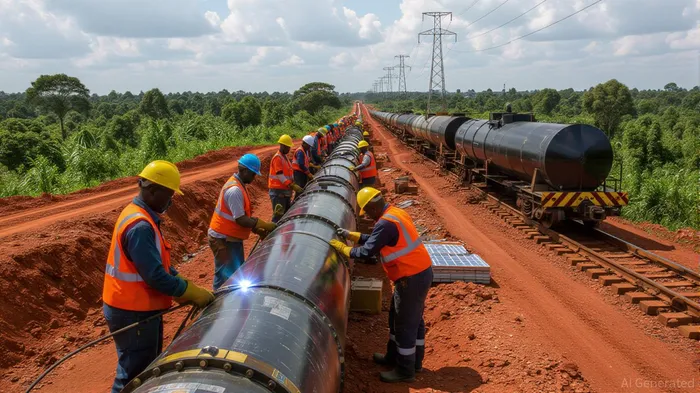
The East African Crude Oil Pipeline (EACOP) has emerged as a pivotal infrastructure project for Uganda and Tanzania, with the potential to redefine regional energy markets. Spanning 1,443 kilometers from Uganda's Lake Albert oilfields to Tanzania's Tanga Port, the pipeline is designed to transport 246,000 barrels of crude oil daily. As of July 2025, construction is 48.5% complete, with $3.6 billion already invested and first oil expected by mid-2026. Yet, the project's success hinges on a delicate balance between geopolitical risks and long-term economic and energy infrastructure opportunities.
Geopolitical Risks: A Volatile Landscape
Uganda's political climate remains a critical concern. President Yoweri Museveni's regime has faced international criticism for suppressing dissent, with the detention of opposition figures and the militarization of political discourse raising red flags for investors. The 2026 elections, which Museveni is expected to contest for a sixth term, could exacerbate tensions. Protests or unrest, particularly among Uganda's youth-heavy population (77% under 30), risk disrupting operations or deterring foreign capital.
Corruption further complicates the equation. Uganda ranks 141st out of 180 in Transparency International's 2023 Corruption Perceptions Index, and local content mandates in the oil sector have drawn accusations of favoritism. While EACOP's developers claim compliance with IFC standards, the risk of governance failures—such as mismanagement of funds or land disputes—remains high.
Economic and Energy Market Opportunities
Despite these risks, EACOP represents a transformative opportunity for East Africa. The pipeline will enable Uganda to export its 1 billion-barrel oil reserves to global markets, bypassing landlocked constraints. By 2028/2029, Uganda's oil exports could generate $19 billion annually, lifting GDP growth to 11% in the 2025/26 fiscal year. Tanzania, as the transit hub, stands to benefit from transit fees, port upgrades, and job creation.
The project also fosters regional integration. EACOP's development aligns with broader initiatives like the Tilenga oil project, which includes 400 wells and a treatment plant. These efforts are expected to stimulate downstream industries, such as refining and petrochemicals, while enhancing energy security. For investors, the pipeline's $10 billion price tag and 47/53 debt-equity structure (reduced from 60/40) signal a recalibration of risk, with stronger equity backing from TotalEnergiesTTE-- and CNOOC.
Environmental and Social Mitigation: A Double-Edged Sword
EACOP's developers have emphasized adherence to IFC and Equator Principles, including solar-powered pumping stations and biodiversity conservation programs. Over 8,000 workers are employed, with 400,000 man-hours of training delivered. However, environmental groups like Friends of the Earth International have criticized the project for underestimating carbon emissions (379 million metric tons over its lifecycle) and risks to ecosystems like Murchison Falls National Park.
The project's long-term viability is further clouded by global climate trends. With oil demand projected to decline in the 2030s, EACOP's reliance on fossil fuels could render it a stranded asset. Yet, for now, the pipeline's strategic value as a regional energy artery remains compelling.
Strategic Investment Considerations
For investors, the EACOP project demands a nuanced approach. While the geopolitical and environmental risks are significant, the project's potential to unlock regional economic growth and energy diversification cannot be ignored. Key considerations include:
1. Diversification: Pair EACOP-related investments with renewable energy projects in East Africa to hedge against carbon transition risks.
2. Governance Monitoring: Track Uganda's progress on IMF-recommended reforms and local content compliance.
3. Sectoral Exposure: Prioritize firms with strong ESG frameworks, such as TotalEnergies and CNOOC, which have secured financing from institutions like Afreximbank and ICD.
Conclusion: A Calculated Bet on Regional Transformation
The EACOP project embodies the paradox of Africa's energy future: a high-risk, high-reward endeavor with the potential to reshape regional markets. While geopolitical instability and environmental concerns loom large, the pipeline's economic and infrastructural benefits offer a compelling case for strategic investment. For those willing to navigate the risks, EACOP could serve as a bridge between Uganda's oil wealth and a more integrated, energy-secure East Africa.
As the project nears completion, the coming months will test the resilience of its stakeholders—and the patience of its investors. The question is not whether EACOP will succeed, but how it will adapt to the shifting tides of global energy and local governance.

Ofrecer visión y análisis en tiempo real de las tendencias financieras emergentes y los movimientos de los mercados.
Latest Articles
Stay ahead of the market.
Get curated U.S. market news, insights and key dates delivered to your inbox.


AInvest
PRO
AInvest
PRO



Comments
No comments yet