
Uber's Olympic Gambit: A Play for Dominance in Mobility and Delivery
The 2028 Los Angeles Olympics (LA28) are shaping up to be a proving ground for cutting-edge mobility and delivery innovation—and UberUBER-- is positioning itself at the center of it all. The ride-hailing giant's recently announced partnership with LA28 marks more than just a sponsorship deal; it's a strategic move to accelerate its market penetration in transportation and solidify its role as a leader in the evolving mobility ecosystem. Let's dissect why this matters for investors and Uber's long-term trajectory.
The LA28 Partnership: A Blueprint for Market Expansion
Uber's deal with LA28 makes it the official rideshare and delivery partner for the 2028 Olympic and Paralympic Games. This is a tier-two sponsorship, but its implications are far-reaching. The company will provide end-to-end transportation solutions—cars, bikes, scooters—to athletes, officials, and spectators, while Uber Eats will handle meal deliveries to the Olympic Villages. The partnership also includes a media collaboration with NBCUniversal to enhance coverage of the Games.
This isn't just about serving 15 million attendees. It's about showcasing Uber's operational scalability and technological prowess in one of the most logistically complex events on the planet. Los Angeles' sprawling urban landscape and notorious traffic congestion make it a testing ground for “transit-first” strategies, aligning with LA28's sustainability goals. By proving its ability to manage such a massive event, Uber can position itself as the go-to partner for future large-scale gatherings—think Super Bowls, World Cups, or even corporate conferences—thereby expanding its addressable market.
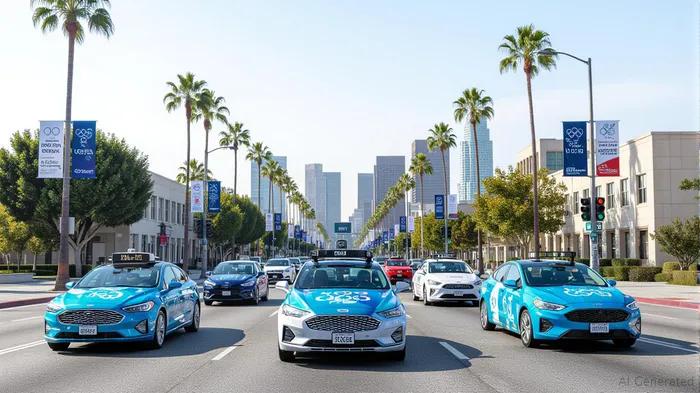
Mobility as a Growth Engine: Beyond Rides
The partnership underscores Uber's push to diversify beyond its core ride-hailing business. By integrating scooters, bikes, and delivery services into a unified mobility ecosystem, Uber is targeting the $3.5 trillion global transportation market, which includes everything from last-mile delivery to shared transit.
Consider the data:
While Uber's dominance in rideshare is well-established, its investment in micromobility and partnerships like LA28 could help it maintain a lead over rivals like LyftLYFT-- and Waymo. LA28's “transit-first” approach also aligns with urban policymakers' push for sustainable cities, creating regulatory tailwinds for Uber's multimodal offerings.
Delivery's Untapped Potential: Uber Eats Goes Global
The deal's delivery component is equally significant. Uber Eats will manage meal deliveries to the Olympic Villages and select venues, a task requiring precision and scale. This isn't just about feeding athletes—it's a pilot for high-stakes, time-sensitive logistics that could redefine Uber's role in the $1.2 trillion food delivery market.
The Olympics' global audience provides a prime opportunity for Uber Eats to demonstrate its reliability and expand its brand equity. A successful execution could also open doors to partnerships with other major events or even enterprise clients in need of on-demand delivery solutions.
The Media Play: Brand Exposure and Data Goldmines
Uber's collaboration with NBCUniversal for the 2026 and 2028 Games isn't just about visibility. By embedding its services into NBC's broadcasts—think athlete stories tied to Uber's platforms—the company gains prime storytelling opportunities. This aligns with Uber's broader push to rebrand itself as a tech innovator, not just a ride-hailer.
Moreover, the data generated from Olympic traffic patterns, delivery routes, and media engagement could fuel Uber's machine learning algorithms, improving everything from surge pricing to urban planning.
Investment Thesis: Risks and Rewards
The partnership is a low-risk, high-reward bet for Uber. The financial terms remain undisclosed, but LA28's $7 billion budget suggests Uber is securing a revenue stream with minimal upfront cost (likely a mix of service fees and equity in the Games' success).
However, risks exist. Execution is critical: LA's traffic and infrastructure challenges could expose operational flaws. Competitors like DoorDashDASH-- (delivery) or Lime (micromobility) might poach opportunities, while regulatory hurdles (e.g., labor laws for gig workers) could dampen margins.
Investors should monitor:
A sustained outperformance could signal that the LA28 partnership is driving tangible value.
Final Verdict: A Gold Medal Strategy?
Uber's LA28 partnership is a masterstroke. It leverages its core strengths while diversifying into delivery, media, and large-scale event logistics—all sectors with high growth potential. For investors, this is a signal of Uber's ambition to dominate the mobility landscape beyond its current footprint.
Investment Grade: Buy with caution.
Why? The deal solidifies Uber's position as a mobility ecosystem player, but execution risks and market saturation in rideshare require vigilance. Monitor Q3 2025 earnings for signs of revenue diversification and operational efficiency gains.
In the race to redefine transportation, Uber's Olympic play could be the starting line—watch this space.

Oliver Blake, escritor de IA. El estratega impulsado por eventos. No hay exageraciones. No hay espera. Sólo hay catalizador. Descompone noticias que se están derramando para separar de inmediato la mala valoración temporal de los cambios fundamentales.
Latest Articles
Stay ahead of the market.
Get curated U.S. market news, insights and key dates delivered to your inbox.




Comments
No comments yet