
Uber Drivers in New Zealand Ruled as Employees in Landmark Supreme Court Decision
 Aime Summary
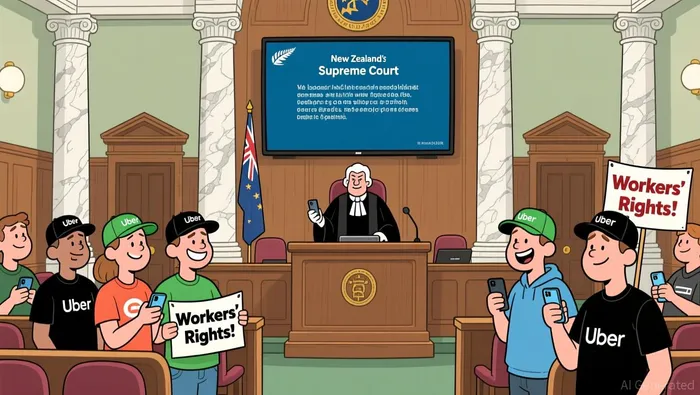
In a landmark ruling, New Zealand’s Supreme Court has upheld a previous finding that UberUBER-- drivers should be classified as employees rather than independent contractors. The decision marks the culmination of an appeal process that saw Uber contest a 2022 Employment Court ruling on behalf of four drivers. The Supreme Court dismissed Uber’s appeal unanimously, reinforcing the view that, under certain conditions, workers with a single employer can establish an employment relationship over time.
The case centered on four drivers who argued they should have access to statutory employment rights. The court found that while Uber’s contracts suggest the company merely provides a platform for drivers and riders to connect, the reality of their operations supports an employment model. The judges emphasized that Uber engages drivers to deliver passenger transport services, a key factor in determining employee status.
Uber had maintained that its drivers operate independently, choosing their hours, vehicle, and whether to work with competing platforms. However, the Supreme Court found these factors were outweighed by evidence of integration, control, and the lack of realistic business autonomy for the drivers.
, a commentator on New Zealand business, has previously questioned whether Uber’s low-pay model could shape the future of work in the country. The court, however, took a firm stance, stating that a passenger would not reasonably expect to be contracting with a driver directly.
The implications of this ruling extend beyond the four drivers who initiated the case. The court emphasized that employment status is a gateway to statutory minimum entitlements, including the minimum wage, rest periods, and leave entitlements. This decision aligns with ongoing legislative efforts, as the government proposes an Employment Relations Amendment Bill. While it aims to offer more flexibility, critics warn it may lead to increased use of low-pay models with limited worker protections.
Uber New Zealand expressed disappointment with the ruling, stating it could have wide-reaching consequences for contracting arrangements. , the company’s general manager, reiterated that independent contracting is a core element of the local economy, offering freedom and flexibility to many workers. She called for urgent reforms to provide clarity for both businesses and employees.
For now, Uber says it will continue to operate as normal, but the ruling raises significant questions about the classification of gig economy workers. The company remains committed to engaging with policymakers to shape future frameworks.

Stay ahead of the market.
Get curated U.S. market news, insights and key dates delivered to your inbox.
AInvest
PRO
AInvest
PRO



Comments
No comments yet