
Uber’s $1.54B Volume Ranks 50th in U.S. Liquidity Amid Earnings Surge Retail Expansion and Legal Clouds
 Aime Summary
Market Snapshot
On November 25, 2025, , , . This volume ranked UBERUBER-- 50th in the U.S. stock market by liquidity. The lack of price movement suggests limited short-term investor activity, despite the company’s recent expansion into retail delivery and strong third-quarter earnings.
Key Drivers
Uber’s recent performance has been shaped by a mix of positive earnings momentum, strategic retail expansion, and speculative interest in (AV) technology, tempered by legal risks. The company’s Q3 2025 results, released in mid-November, , , . Analysts highlighted this as a testament to Uber’s core operational strength, particularly in mobility and delivery segments, , respectively. , citing the earnings beat and progress in AV development.
The company’s foray into retail delivery has further bolstered its growth narrative. On November 25, Uber announced partnerships with PacSun, Camping World, and Lush to offer on-demand product deliveries via its apps. Uber One members gained access to $0 delivery fees on eligible retail items, broadening the appeal of its subscription service. This move aligns with the company’s strategy to diversify revenue streams beyond ride-sharing, . The expansion underscores Uber’s ambition to position itself as a logistics platform, leveraging its existing rider base and infrastructure.
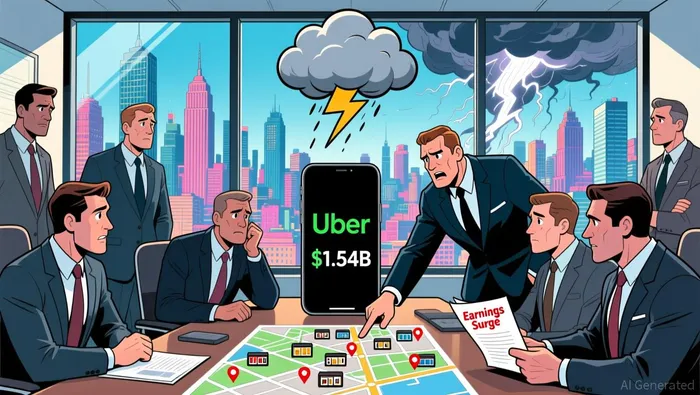
Speculation around AV technology has also driven investor sentiment. Uber’s collaboration with NVIDIA to develop a reference architecture for AVs, combined with its in-house R&D efforts, has attracted attention from analysts and institutional investors. , despite high expectations, reinforced confidence in its long-term profitability. , with hedge funds like Pettyjohn Wood & White Inc. increasing stakes. However, , raising questions about management’s confidence in the stock’s near-term trajectory.
A significant headwind emerged on November 25 with a lawsuit alleging collusion between Uber and select taxi-hailing app providers to inflate prices. The proposed class action accused Curb Mobility, Flywheel Technologies, and Creative Mobile Technologies of integrating their technology with Uber’s app to suppress competition. While Uber is not a defendant, the case highlights regulatory risks in its core markets. The plaintiff argued that the partnerships led to “uniform or near-uniform pricing,” harming consumers and reducing fare competition. Such legal challenges could impact Uber’s reputation and operational flexibility, particularly in cities where it dominates the ride-hailing sector.
In parallel, labor-related developments in Australia added nuance to Uber’s risk profile. A landmark deal between Uber Eats and the Transport Workers’ Union mandated minimum pay and benefits for gig workers, including accident insurance and access to job records. While the agreement was hailed as a “world first,” it could increase operational costs for Uber Eats in the region. The company’s described the pact as a step toward modernizing gig work regulations, but the long-term financial impact remains uncertain.
Collectively, these factors present a complex picture for UBER. While strong earnings, retail expansion, and AV innovation have attracted institutional buyers and raised price targets, legal and labor challenges underscore potential regulatory and reputational risks. Analysts remain divided, , reflecting optimism about Uber’s strategic direction but caution regarding near-term uncertainties.

Stay ahead of the market.
Get curated U.S. market news, insights and key dates delivered to your inbox.
AInvest
PRO
AInvest
PRO



Comments
No comments yet