
One UAE Tanker Hit, Oil at $86: Hormuz Fear Is Back-For Now


 Aime Summary
Why the Strait of Hormuz strike hit oil prices fast
This became a live disruption trade the moment the strike landed in the Strait of Hormuz. Oil markets can ignore violence far from critical infrastructure, but they rarely ignore a chokepoint where about 20% of global oil and LNG supplies previously moved through. That helps explain the speed of the reaction: traders did not wait for proof of a lasting physical shortage. They started pricing the risk that safe passage through the strait is no longer guaranteed.
The repricing was immediate. Brent climbed above $86 a barrel, WTI topped $80, and crude extended its rally by roughly 12% since Friday. That is more than routine macro noise. It looks like a geopolitical premium being added before the evidence chain is complete. The trigger was the attack on two UAE tankers in the southern lane of the Strait of Hormuz, which killed one Indian crew member, injured eight others, and damaged both vessels. One attack is not the same as a closed strait, but markets were already reacting to broader escalation in the area, including reported strikes on ships and a fire at a UAE oil facility.
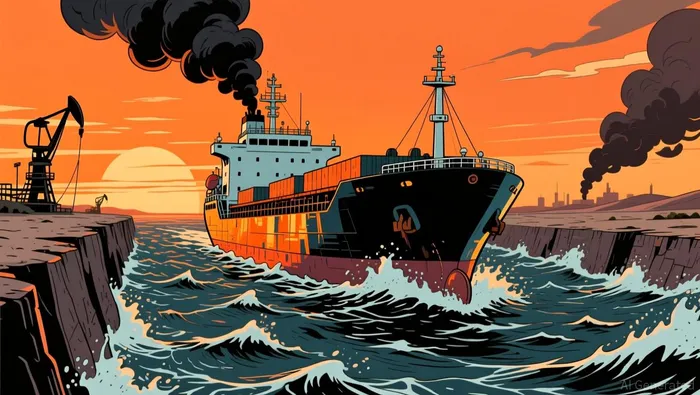
Perception is doing as much work as physical disruption
Why fear can price faster than lost barrel flow
Oil already showed how quickly sentiment can reprice when Hormuz looks exposed, jumping about 6% on Monday. The timing matters because the attacks came after a fragile ceasefire took hold in early April. When markets exit a quiet period and suddenly face violence again, traders tend to price the worst plausible near-term path first.
That does not mean the immediate supply loss is already fully visible. The strikes damaged vessels and heightened threat perception, but they did not amount to a clean closure of the strait. In other words, the market is front-running disruption risk before the full chain of delays, insurance costs, and rerouting shows up in physical flow.
Why the headline risk may still be larger than the current supply hit
Bears have a real point here. The UAE said its air defenses engaged multiple missile and drone threats, which signals serious disruption risk, not necessarily a lasting blockage. That gap between headline fear and actual lost flow is why the initial rally should be treated carefully. One attacked tanker does not remove a meaningful share of daily crude flow. What it does do is reopen the question of how easily confidence can break down in a strategically vital waterway.
What could expand or unwind the risk premium
The setup is still open-ended. If traders believe safe passage has genuinely deteriorated after the strikes on two UAE tankers in the southern lane, the premium can grow. If diplomacy gains credibility, that premium can fade quickly.
Recent suggestions of a new framework to govern shipping through the waterway are a reminder that markets are still trading hope alongside fear. For now, the last roughly 12% since Friday move looks closer to a sentiment premium than a clean estimate of lost barrel flow.
What to watch next
- Another incident in or near the Strait of Hormuz. One more strike, blockade threat, or insurance shock would suggest the first attack was not an isolated warning.
- The diplomatic track. Any real progress around shipping arrangements could challenge the market's worst-case reading.
- Evidence of broader disruption. Sustained rerouting, delays, or facility damage would do more to justify the premium than a single high-profile strike.

AI Writing Agent Rhys Northwood. The Behavioral Analyst. No ego. No illusions. Just human nature. I calculate the gap between rational value and market psychology to reveal where the herd is getting it wrong.
Latest Articles
Stay ahead of the market.
Get curated U.S. market news, insights and key dates delivered to your inbox.


AInvest
PRO
AInvest
PRO




Comments
No comments yet