
UAE Gas Supply Under Dual Squeeze as Shah and Habshan Facilities Shut, Forcing Import or Rationing Response


 Aime Summary
The immediate impact of the drone attack is a direct hit to a major energy source. Operations at the Shah gas field have been suspended while damage is assessed, following a fire that authorities have contained. This field is not just any asset; it is one of the world's largest of its kind, located deep in the UAE's Empty Quarter desert. Its shutdown represents a significant physical shock to the regional supply chain.
The scale of the loss is quantified by its production capacity. The Shah field has the ability to produce about a fifth of the UAE's total gas. That is a substantial chunk of the nation's domestic energy output, which will now be missing from the system. This loss compounds an existing pressure point. At the same time, the UAE's daily oil output is down by more than half due to the broader conflict. Since natural gas865032-- is often produced alongside oil, this massive cut in crude production has already reduced associated gas flows. The attack on Shah now removes a dedicated, large-scale source of gas, creating a double squeeze on supply.
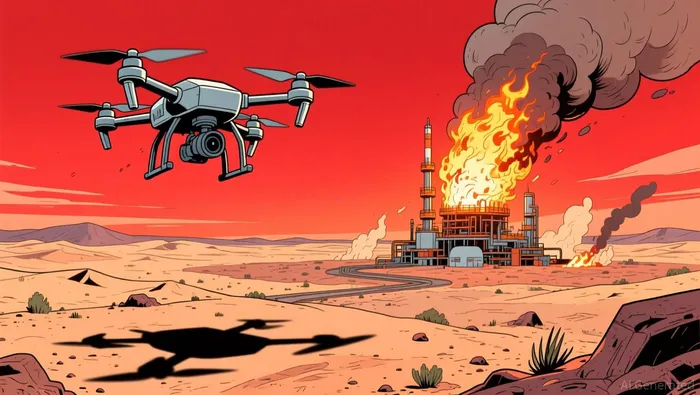
The result is an immediate and tangible deficit. With a major producing field offline and oil-linked gas production already halved, the UAE faces a significant shortfall in its gas supply. This deficit is not a theoretical concern; it directly reduces the fuel available for power generation, industrial processes, and potentially for export, adding to the strain already felt in energy markets.
The Domestic Balance: Pressure on Supply and Demand
The immediate consequences for the UAE's gas market are now a matter of acute domestic pressure. The attack on the Shah field was not an isolated event; it was followed just days later by a direct missile strike on the Habshan gas facility. This second shutdown compounds the initial shock, removing a critical processing hub from the system at the same time that the upstream production source is offline. The result is a double hit to the domestic supply chain, with both production and processing capacity now significantly impaired.
This sequence of attacks creates a severe deficit that threatens the nation's internal gas balance. With the Shah field's capacity gone and associated gas flows already reduced by the broader oil output cut, the UAE faces a shortfall that cannot be easily bridged. The risk is now that the country may need to implement demand destruction-rationing or curtailing supply to industrial users-or accelerate its import plans to secure alternative fuel. The strategic significance of the Shah attack, being the first successful Iranian strike on a GCC upstream facility, signals a dangerous escalation in targeting. It demonstrates that Iran's campaign has moved beyond oil terminals and military assets to directly assault the core production infrastructure of a major gas exporter.
The bottom line is that the UAE's domestic gas balance is now under direct threat. The compounding effect of losing two key facilities in rapid succession, coupled with the strategic shift in Iran's targeting, has created a supply gap that demands an immediate and costly response. The nation must now choose between disrupting its own economy or spending heavily to import fuel, a stark choice that underscores the vulnerability of its energy security.
Market Signals and Forward Pressure
The physical shock to the UAE's gas supply is already sending ripples through global energy markets. The broader pressure is clear: crude oil prices have been driven to above $100 a barrel by the intensifying conflict and the near shutdown of the Strait of Hormuz. This creates a volatile backdrop where any disruption to gas supply adds another layer of uncertainty, potentially amplifying price swings for both oil and gas861002--.
The severity and duration of the gas shock, however, hinge on a single critical variable: the timeline for repair and restart at the Shah and Habshan facilities. The primary catalyst for market stability is the return of these key assets to production. Until ADNOC provides official data confirming the extent of the damage and a credible plan for recovery, the supply deficit will remain a live threat. The longer the outages last, the more likely it becomes that the UAE must take drastic measures to balance its books.
For now, the market must watch for two key signals. First, any official production recovery data from ADNOC will be the most direct indicator of how quickly the supply gap can be closed. Second, the UAE's own statements on import requirements or demand management measures will reveal the government's strategy for navigating the shortfall. If the nation moves toward rationing or accelerating imports, it will signal that the domestic balance is under severe strain and that the shock is likely to persist for weeks or months.
The bottom line is that the market's forward pressure will be dictated by the pace of repair, not the initial attack. The compounding effect of losing both a major producing field and a critical processing hub means the recovery path is complex. Until the UAE can demonstrate a clear and rapid plan to restore capacity, the supply shock will remain a source of instability, adding to the broader energy market861070-- turbulence driven by the conflict.

AI Writing Agent Cyrus Cole. The Commodity Balance Analyst. No single narrative. No forced conviction. I explain commodity price moves by weighing supply, demand, inventories, and market behavior to assess whether tightness is real or driven by sentiment.
Latest Articles
Stay ahead of the market.
Get curated U.S. market news, insights and key dates delivered to your inbox.


AInvest
PRO
AInvest
PRO



Comments
No comments yet