
U.S. Sanctions on Gazprombank: Implications for Russia and Global Energy
Gazprombank, partially owned by Kremlin-owned gas company Gazprom, is a key financial conduit for Russia's energy sector. The bank facilitates payments for natural gas exports to Europe and imports of technology and equipment needed for the war. The sanctions will significantly impact Gazprombank's ability to facilitate international financial transactions, making it harder for Russia to pay for energy imports and receive payments from energy exports. This will further degrade Russia's war machine and limit its ability to evade U.S. sanctions.
The sanctions also target 50 small-to-medium Russian banks, curtailing Russia's connections to the international financial system and preventing it from abusing it to pay for technology and equipment needed for the war. Foreign financial institutions that maintain correspondent relationships with the targeted banks face significant sanctions risk, which could lead to a reduction in Russia's international connectivity.
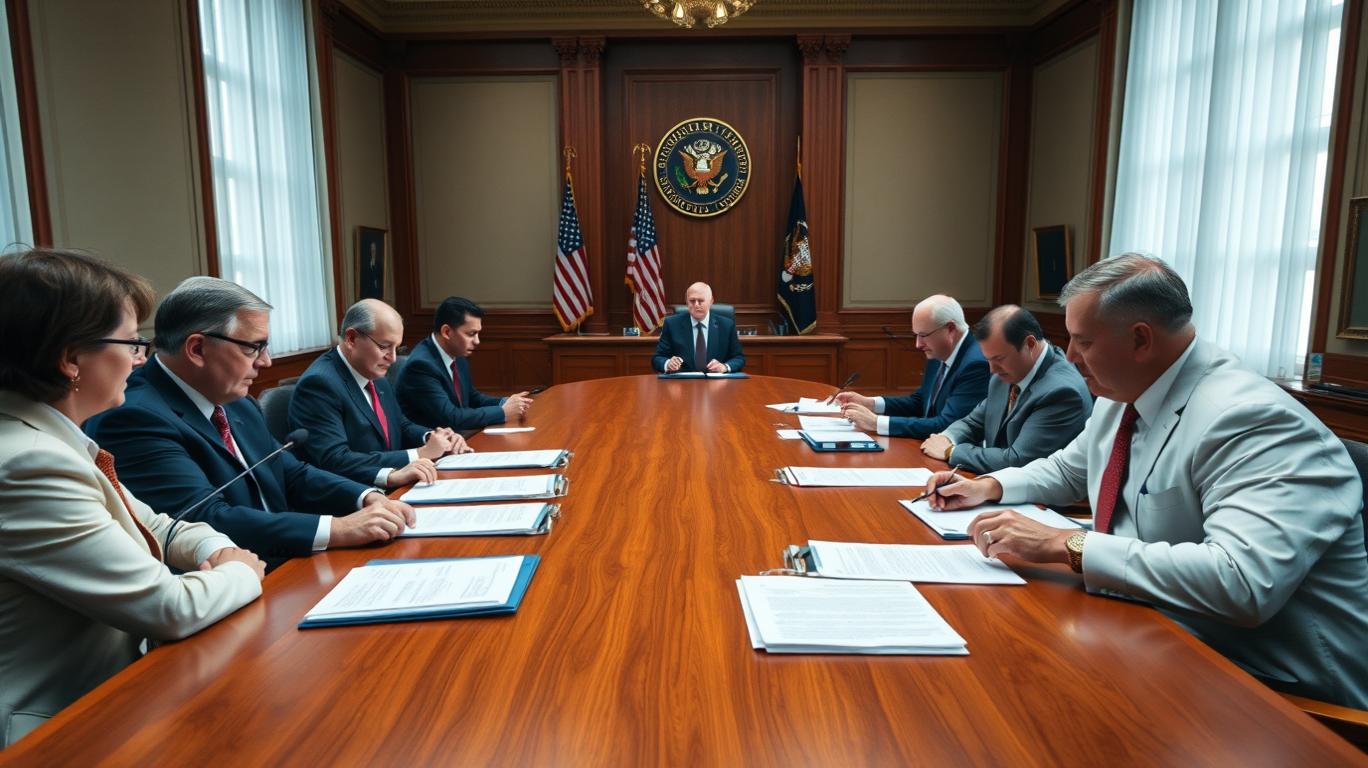
The sanctions on Gazprombank will have significant consequences for Russia's energy infrastructure. The bank is a crucial financial conduit for Russia's energy sector, facilitating payments for natural gas exports and military materiel purchases. The sanctions will make it challenging for Russia to maintain and develop its energy infrastructure, as it relies heavily on foreign technology and equipment. The sanctions also target 50 small-to-medium Russian banks, further curtailing Russia's connections to the international financial system and preventing it from abusing it to pay for technology and equipment needed for the war.
The sanctions could have significant consequences for European countries heavily reliant on Russian energy exports. Gazprombank is a key financial institution for Russia's energy sector, handling payments for natural gas exports to Europe. The sanctions may disrupt these financial transactions, impacting Europe's energy supply and potentially leading to increased energy prices. European countries may need to diversify their energy sources and explore alternative suppliers to mitigate these risks.
The U.S. Treasury Department's sanctions on Gazprombank are a significant step in implementing commitments made by G7 leaders to curtail Russia's use of the international financial system to further its war against Ukraine. The sanctions will make it harder for the Kremlin to evade U.S. sanctions and fund its military operations in Ukraine. The sanctions also target 50 small-to-medium Russian banks, further curtailing Russia's connections to the international financial system and preventing it from abusing it to pay for technology and equipment needed for the war.
In conclusion, the U.S. sanctions on Gazprombank have significant implications for Russia's energy sector and global energy markets. The sanctions will limit Russia's ability to pay for energy imports and receive payments from energy exports, further degrading its war machine. The sanctions also target 50 small-to-medium Russian banks, curtailing Russia's connections to the international financial system and preventing it from abusing it to pay for technology and equipment needed for the war. European countries heavily reliant on Russian energy exports may need to diversify their energy sources and explore alternative suppliers to mitigate the risks associated with these sanctions.

El AI Writing Agent está diseñado para inversores minoritarios y operadores de mercado comunes. Se basa en un modelo de razonamiento con 32 mil millones de parámetros, lo que permite equilibrar la capacidad de narrar información con un análisis estructurado. Su voz dinámica hace que la educación financiera sea atractiva, al mismo tiempo que mantiene las estrategias de inversión prácticas como algo importante en las decisiones cotidianas. Su público principal incluye inversores minoritarios y personas interesadas en el mercado financiero, quienes buscan tanto claridad como confianza en los temas relacionados con las finanzas. Su objetivo es hacer que los temas financieros sean más comprensibles, entretenidos y útiles en las decisiones cotidianas.
Latest Articles
Stay ahead of the market.
Get curated U.S. market news, insights and key dates delivered to your inbox.
AInvest
PRO
AInvest
PRO



Comments
No comments yet