
U.S. EIA Crude Oil Inventories Plunge 3.86 Million Barrels, Far Below Forecasts
 Aime Summary
The sharp decline in U.S. crude oil inventories—3.86 million barrels for the week ending July 11, 2025—has reignited volatility in energy markets. This drop, nearly double the -1.8 million barrel forecast, underscores a precarious balance between supply constraints and demand resilience. For investors, the data serves as both a warning of inflationary risks and a catalyst for sector-specific opportunities.
Introduction
The EIA's weekly report is a cornerstone of energy market analysis, revealing shifts in supply-demand dynamics that ripple across global economies. This week's surprise inventory draw—exceeding expectations by over 2 million barrels—hints at either unexpected demand strength or production bottlenecks. With oil prices already pressured by geopolitical tensions and OPEC+ dynamics, the report adds urgency to debates over inflation trends and central bank responses.
Data Overview and Context
The EIA reported:
- Actual decline: 3.859 million barrels (vs. a -1.8 million forecast)
- Five-year average draw: 1.2 million barrels for this week of the year
- Total stocks: 422.2 million barrels, 8% below the five-year average
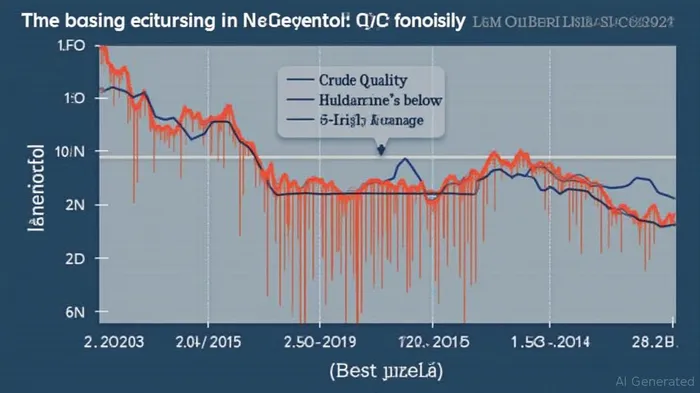
The data reflects a tightening market, with gasoline and distillate inventories rising marginally (3.4 million and 4.2 million barrels, respectively). However, distillate stocks remain 21% below average, signaling sustained demand for diesel and heating oil.
Analysis of Underlying Drivers and Implications
Three factors likely drove the inventory plunge:
1. Geopolitical Risks: The U.S.-brokered Israel-Iran ceasefire and ongoing supply disruptions in Libya have constrained global production.
2. Demand Resilience: Despite weaker gasoline demand (-1.1% year-over-year), distillate consumption rose 4.4%, suggesting industrial activity remains robust.
3. Market Volatility: The API's initial erroneous report of a 19.1 million barrel build—later corrected to an 800,000 barrel increase—sparked confusion, amplifying price swings.
The data's impact is twofold:
- Short-term: Crude prices may rise, with Brent trading near $68/bbl and WTI at $65.74/bbl.
- Long-term: Persistent low inventories could fuel inflation, squeezing consumer budgets and auto demand while benefiting energy producers.
Policy Implications for the Federal Reserve
While the Fed's focus on core inflation (excluding energy) may limit immediate rate hikes, sustained oil price increases risk spillover effects. Elevated energy costs could pressure wage growth or consumer goods prices, forcing the Fed to weigh “second-round” inflation risks. Investors will scrutinize the July 30 FOMC meeting for hints of policy adjustments.
Market Reactions and Investment Implications
- Equities: Energy stocks (e.g., Exxon, Chevron) may rally, while auto manufacturers (e.g., GM, Ford) face headwinds as fuel costs deter purchases.
- Commodities: Crude prices could climb further if geopolitical risks persist, favoring energy ETFs like XLE.
- Fixed Income: Bond yields may edge higher if inflation expectations rise, though safe-haven demand could temper moves.
The backtest analysis highlights sector dynamics:
- Consumer Finance: Benefits from stabilized oil prices, as lower inflation eases credit affordability and boosts demand for loans.
- Automobiles: Suffers from reduced consumer spending power and higher operating costs.
Conclusion & Final Thoughts
The EIA's report underscores the energy market's fragility, with geopolitical risks and supply-demand imbalances driving uncertainty. Investors must balance near-term energy gains against long-term inflation and consumer spending risks. Staying attuned to upcoming EIA releases, OPEC+ decisions, and the Fed's July 30 policy meeting will be critical for navigating this volatility.
As oil prices hover near $65/bbl, the stage is set for a tug-of-war between supply constraints and demand elasticity—a dynamic that will define energy sector performance and broader market trends in the months ahead.

Stay ahead of the market.
Get curated U.S. market news, insights and key dates delivered to your inbox.
AInvest
PRO
AInvest
PRO



Comments
No comments yet