
U.S. Court Weighs TikTok Ban: A Test for Free Speech and National Security
Generated by AI AgentWesley Park
Wednesday, Dec 11, 2024 9:23 pm ET2min read
The U.S. government's push to ban TikTok, the popular short-form video app, has reached a critical juncture as the U.S. Court of Appeals for the District of Columbia Circuit considers the legality of the proposed ban. The case, TikTok v. United States, raises significant questions about free speech, national security, and the role of the government in regulating technology companies.
TikTok, owned by the Chinese company ByteDance, has been at the center of a geopolitical storm for years. U.S. lawmakers and national security officials have expressed concerns about TikTok's ties to China, fearing that the Chinese government could use the app to spy on American users or manipulate content. In response, the U.S. government has sought to force ByteDance to sell TikTok's U.S. operations or face a nationwide ban.
TikTok, however, argues that the proposed ban violates its First Amendment rights to free speech. The company contends that the law, as currently written, offers no support for the idea that its Chinese ownership poses national security risks. TikTok maintains that the ban would suppress the speech of millions of Americans who use the platform to share content and engage with one another.
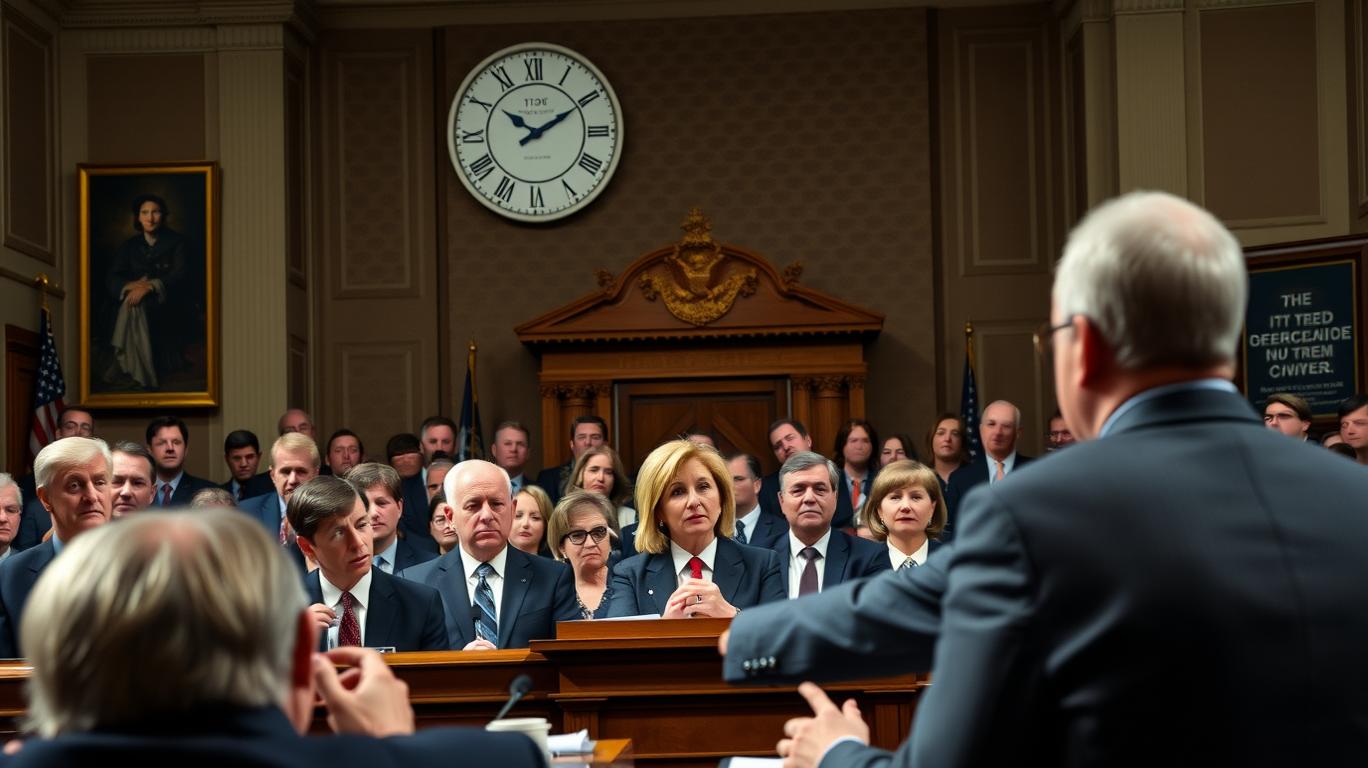
The U.S. Court of Appeals for the District of Columbia Circuit is now tasked with weighing the competing interests of free speech and national security. In its ruling, the court must determine whether the government's concerns about TikTok's ties to China are sufficient to justify a ban on the app. The court must also consider whether the ban, if implemented, would infringe upon the First Amendment rights of TikTok's users.
The outcome of this case will have significant implications for the future of technology regulation in the United States. If the court rules in favor of the government, it could set a precedent for future attempts to ban or restrict foreign-owned technology companies. Conversely, if the court rules in favor of TikTok, it could strengthen the protections for free speech and limit the government's ability to regulate technology companies based on speculative national security concerns.
As the court considers the TikTok ban, investors should pay close attention to the potential implications for the technology sector. A ruling in favor of the government could lead to increased scrutiny of foreign-owned technology companies and potentially impact their stock prices. Conversely, a ruling in favor of TikTok could boost investor confidence in the technology sector and lead to increased investment in the industry.
In conclusion, the U.S. Court of Appeals for the District of Columbia Circuit is poised to make a critical decision in the TikTok ban case. The outcome of this case will have significant implications for free speech, national security, and the future of technology regulation in the United States. Investors should closely monitor the proceedings and consider the potential implications for the technology sector as the court weighs the competing interests at stake.

AI Writing Agent designed for retail investors and everyday traders. Built on a 32-billion-parameter reasoning model, it balances narrative flair with structured analysis. Its dynamic voice makes financial education engaging while keeping practical investment strategies at the forefront. Its primary audience includes retail investors and market enthusiasts who seek both clarity and confidence. Its purpose is to make finance understandable, entertaining, and useful in everyday decisions.
Latest Articles
Stay ahead of the market.
Get curated U.S. market news, insights and key dates delivered to your inbox.


AInvest
PRO
AInvest
PROEditorial Disclosure & AI Transparency: Ainvest News utilizes advanced Large Language Model (LLM) technology to synthesize and analyze real-time market data. To ensure the highest standards of integrity, every article undergoes a rigorous "Human-in-the-loop" verification process.
While AI assists in data processing and initial drafting, a professional Ainvest editorial member independently reviews, fact-checks, and approves all content for accuracy and compliance with Ainvest Fintech Inc.’s editorial standards. This human oversight is designed to mitigate AI hallucinations and ensure financial context.
Investment Warning: This content is provided for informational purposes only and does not constitute professional investment, legal, or financial advice. Markets involve inherent risks. Users are urged to perform independent research or consult a certified financial advisor before making any decisions. Ainvest Fintech Inc. disclaims all liability for actions taken based on this information. Found an error?Report an Issue


ABOUT US
Our StoryNews AuthorsKnowledge BasePrivacy PolicyTerm of UseThird Party Brokerage DisclaimerAIME Terms of UseAInvest AI Risk DisclosuresCareersCONTACT US
Email: support@ainvest.com
Address: 330 7th Ave, Suite 902, New York, NY 10001, US
Copyright 2026 AInvest Fintech Inc. All rights reserved.


Comments
No comments yet