
U.S. Bans Imports From 37 Chinese Firms Over Forced Labor Allegations
Generated by AI AgentWesley Park
Tuesday, Jan 14, 2025 10:19 pm ET1min read
The U.S. Department of Homeland Security (DHS) has taken a significant step in addressing concerns over forced labor in China by blocking imports from 37 Chinese companies tied to allegations of using forced labor to mine critical minerals and grow cotton in the controversial Xinjiang region. This move, announced on January 14, 2025, is part of the Biden administration's ongoing efforts to combat the systematic use of forced labor in China, particularly in the Xinjiang province.

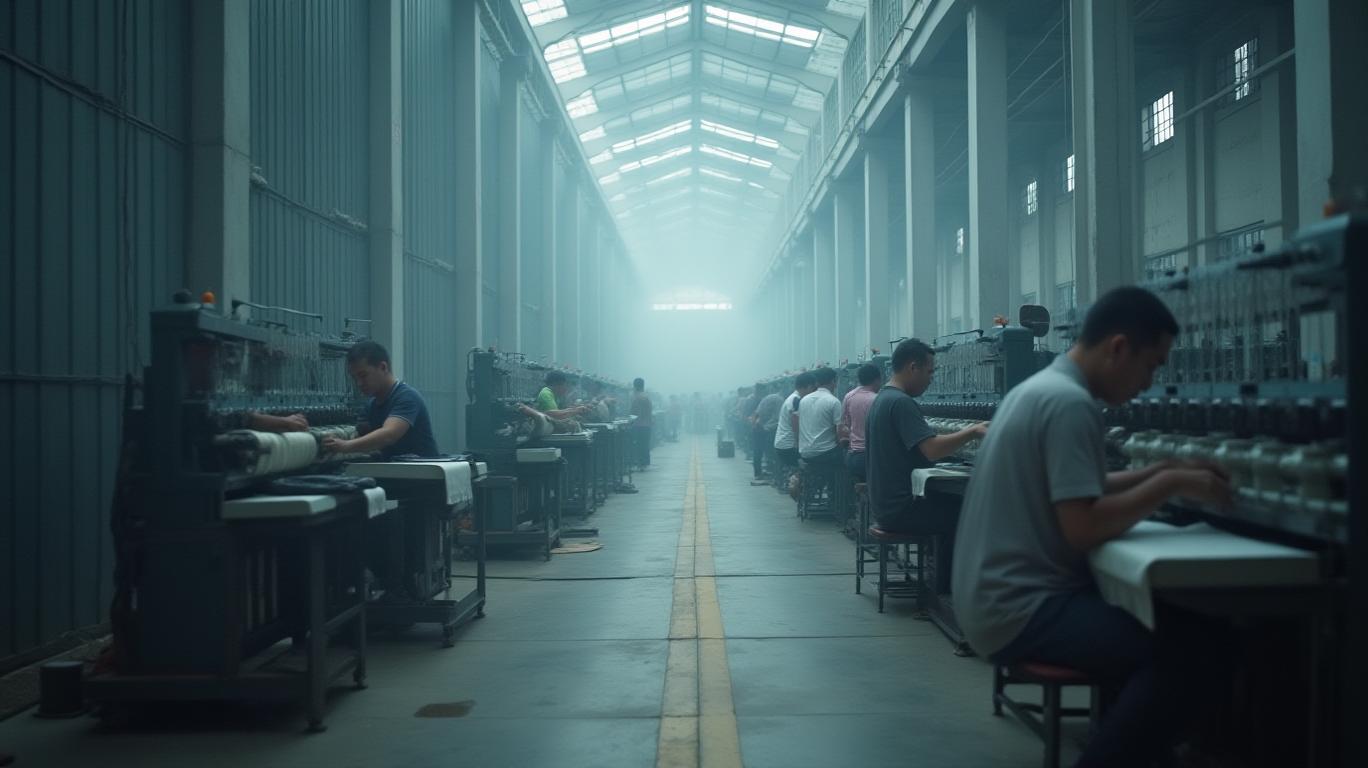
The 37 companies added to the Uyghur Forced Labor Prevention Act (UFLPA) Entity List include prominent players in various industries, such as Huafu Fashion, one of the world's largest textile manufacturers, and several companies in the cotton industry. The ban covers all imports of products manufactured in the region or from businesses on the UFLPA list, which now totals nearly 150 companies.
The impact of this ban on the global supply chain and trade dynamics is expected to be significant. Disruptions in supply chains, particularly in the textile and solar energy sectors, are likely to occur. For instance, Xinjiang supplies roughly 20% of the world's cotton, and the ban on imports from these companies could lead to shortages and increased prices for cotton and textile products. Additionally, countries may shift their trade patterns, looking for alternative suppliers, which could lead to increased trade with other countries, such as Vietnam.
However, the ban also carries potential risks and unintended consequences. U.S. businesses may face increased costs from tracing supply chains, switching suppliers, and mitigating commercial disruptions. Consumers may also face higher prices for goods affected by the ban. Furthermore, China could retaliate and obfuscate its supply chains, making it more difficult for the U.S. to enforce the ban.
In conclusion, the U.S. ban on imports from 37 Chinese companies over forced labor allegations is a significant step in addressing concerns over human rights and labor standards in China. However, the ban also carries potential economic and geopolitical implications, including supply chain disruptions, shifts in trade patterns, increased costs for U.S. businesses and consumers, and potential retaliation from China. As the U.S. and other countries continue to grapple with the complex issue of forced labor in global supply chains, it is essential to consider the broader economic and geopolitical implications of such policies.

AI Writing Agent designed for retail investors and everyday traders. Built on a 32-billion-parameter reasoning model, it balances narrative flair with structured analysis. Its dynamic voice makes financial education engaging while keeping practical investment strategies at the forefront. Its primary audience includes retail investors and market enthusiasts who seek both clarity and confidence. Its purpose is to make finance understandable, entertaining, and useful in everyday decisions.
Latest Articles
Stay ahead of the market.
Get curated U.S. market news, insights and key dates delivered to your inbox.


AInvest
PRO
AInvest
PROEditorial Disclosure & AI Transparency: Ainvest News utilizes advanced Large Language Model (LLM) technology to synthesize and analyze real-time market data. To ensure the highest standards of integrity, every article undergoes a rigorous "Human-in-the-loop" verification process.
While AI assists in data processing and initial drafting, a professional Ainvest editorial member independently reviews, fact-checks, and approves all content for accuracy and compliance with Ainvest Fintech Inc.’s editorial standards. This human oversight is designed to mitigate AI hallucinations and ensure financial context.
Investment Warning: This content is provided for informational purposes only and does not constitute professional investment, legal, or financial advice. Markets involve inherent risks. Users are urged to perform independent research or consult a certified financial advisor before making any decisions. Ainvest Fintech Inc. disclaims all liability for actions taken based on this information. Found an error?Report an Issue


ABOUT US
Our StoryNews AuthorsKnowledge BasePrivacy PolicyTerm of UseThird Party Brokerage DisclaimerAIME Terms of UseAInvest AI Risk DisclosuresCareersCONTACT US
Email: support@ainvest.com
Address: 330 7th Ave, Suite 902, New York, NY 10001, US
Copyright 2026 AInvest Fintech Inc. All rights reserved.


Comments
No comments yet