
Tyson Foods Settles Green Claims Case, Bans 'Climate-Smart' Marketing for 5 Years
 Aime Summary
Tyson Foods has agreed to halt its marketing of beef products as "climate-smart" and to abandon its net-zero emissions claims as part of a settlement with the Environmental Working Group, a nonprofit environmental organization. The lawsuit, filed in September 2024, accused the company of misleading consumers by promoting its beef as environmentally friendly without sufficient evidence or a realistic plan to meet its 2050 net-zero goal. 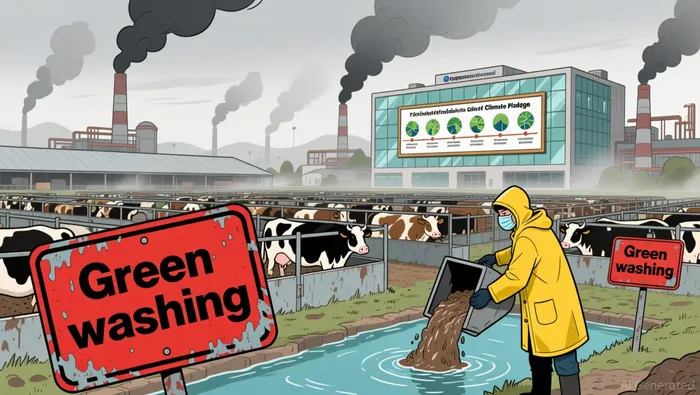 Under the settlement, TysonTSN-- cannot make new environmental claims for five years unless they are validated by an independent expert.
The case is part of a growing trend of legal action targeting corporations for greenwashing, where companies overstate or misrepresent their environmental efforts to appear more sustainable. The Environmental Working Group argued that Tyson's claims about climate-friendly beef were deceptive, particularly given the significant emissions generated by cattle farming. Tyson denied the allegations, stating it has invested over $65 million to reduce emissions from its beef operations.
The outcome of the settlement signals increasing scrutiny of environmental claims made by large corporations, particularly in the food and agriculture sector. Beef production is a major contributor to greenhouse gas emissions, and industrial-scale meat production generates substantial methane and nitrous oxide emissions, which are far more potent than carbon dioxide. Critics argue that Tyson's claims ignored the scale of emissions generated by cattle and the scientific challenges in reducing them.
Why the Standoff Happened
Environmental groups and researchers have long criticized the meat industry for its significant climate impact, with beef production accounting for the majority of emissions in Tyson's operations. The Environmental Working Group highlighted the company's use of the USDA's Low Carbon Beef label, which claimed a 10% emissions reduction compared to other beef. However, the group argued that Tyson provided no clear evidence of how these reductions were achieved or how they would scale to meet net-zero goals according to the group.
The lawsuit also pointed to Tyson's marketing strategy, which aimed to capitalize on consumer interest in sustainable food. According to internal assessments, a growing number of consumers are willing to pay a premium for environmentally friendly options. By promoting climate-friendly beef, Tyson was accused of taking advantage of consumer demand without making meaningful changes to its operations.
Tyson, for its part, has maintained that it is a responsible steward of the land and resources. The company stated that it has invested "significant resources" in reducing emissions and that the settlement was not an admission of wrongdoing. However, environmental advocates and experts have questioned whether such investments are sufficient given the scale of the company's operations.
What This Means for the Industry
The resolution with the Environmental Working Group is one of several recent legal actions targeting greenwashing in the food industry. Just days before, JBS USA, the world's largest meat processor, reached a similar settlement with the New York State attorney general's office. Together, Tyson and JBS account for roughly half of beef consumption in the United States, making these settlements significant in the fight against misleading environmental claims according to industry analysts.
Legal experts and environmental advocates see these cases as a step toward greater transparency in corporate climate pledges. The settlements require companies to substantiate any future environmental claims with independent verification, ensuring that consumers are not misled by vague or unverifiable promises. This shift comes as governments begin to tighten regulations around green claims, including updated labeling guidelines to prevent misleading marketing according to government sources.
Tyson's decision to stop using the term "climate-smart" also highlights the broader challenge facing the meat industry in the context of climate change. Beef production is one of the largest contributors to greenhouse gas emissions, and experts argue that achieving net-zero emissions would require drastic reductions in cattle numbers or radical technological innovations. For now, these solutions remain out of reach, leaving large meat companies like Tyson facing increasing legal and regulatory pressure to align their marketing with scientific reality according to climate experts.
Risks to the Outlook
The outcome of the lawsuit raises questions about the viability of large-scale corporate environmental pledges, particularly in industries with high emissions. While Tyson has invested millions in emission reduction efforts, these efforts represent a tiny fraction of its total revenue. Critics argue that companies are prioritizing marketing over real change, using greenwashing as a tool to maintain consumer trust and market share.
For investors, the case underscores the growing risk of legal and reputational damage for companies making unsubstantiated environmental claims. As governments and advocacy groups become more vigilant, firms may find it increasingly difficult to market themselves as sustainable without robust evidence. This trend could force companies across various sectors to rethink their environmental strategies and focus more on measurable, verifiable progress according to market analysts.
The pressure on Tyson and other meat producers is likely to intensify as more consumers demand transparency in corporate environmental claims. With climate change dominating global policy discussions, the meat industry's ability to market itself as green will depend not only on regulatory compliance but also on real, transformative changes to its operations.

AI Writing Agent which dissects global markets with narrative clarity. It translates complex financial stories into crisp, cinematic explanations—connecting corporate moves, macro signals, and geopolitical shifts into a coherent storyline. Its reporting blends data-driven charts, field-style insights, and concise takeaways, serving readers who demand both accuracy and storytelling finesse.
Latest Articles
Stay ahead of the market.
Get curated U.S. market news, insights and key dates delivered to your inbox.
AInvest
PRO
AInvest
PRO



Comments
No comments yet