
TWT's New Tokenomics Model and Its Market Implications


 Aime Summary
Fixed Supply and Burn Events: A Foundation for Scarcity
TWT's supply is permanently capped, with no possibility of inflationary increases due to smart contract constraints, as noted in the Trust Wallet Token (TWT) – Tokenomics Litepaper. A pivotal moment in this model was the 2020 token burn event, which removed 88,999,999,900 TWTTWT-- from circulation, as detailed in the Trust Wallet Token (TWT) – Tokenomics Litepaper. This burn, combined with the fixed supply, creates a scarcity narrative that could theoretically drive demand. However, the market's reaction to such events is not always linear. For instance, Ontology's ONGONG-- tokenomics adjustment in 2025-reducing its supply cap from 1 billion to 800 million-was met with overwhelming community support but required a 19-year extended release period to maintain liquidity, as reported in the Ontology Community Approves ONG Tokenomics Adjustment Proposal. TWT's fixed supply, while simpler, lacks such a phased release mechanism, potentially exposing it to liquidity risks if demand surges without corresponding utility.
Trust Premium: Gamification as a Utility Driver
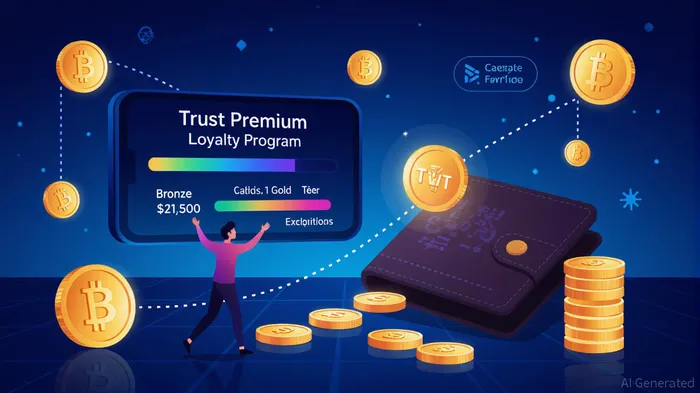
The Trust Premium program, launched in Q4 2025, introduces a tiered rewards system (Bronze → Silver → Gold) based on user activity, such as swaps, staking, and holding TWT, as described in the Trust Wallet Turns Users Into VIPs With New Premium Program, Powered by TWT. Users earn "Trust XPs" to unlock benefits like gas fee discounts and exclusive airdrops. This gamification strategy aims to increase TWT's utility by tying its value to ecosystem engagement rather than speculative trading. According to the Trust Wallet Tokenomics Litepaper, the program is designed to align TWT's value with long-term user growth. However, the success of this model hinges on user adoption. If the program fails to attract active participants, the token's utility could remain underutilized, limiting its price appreciation potential.
Allocation Mechanisms and Market Incentives
TWT's allocation strategy emphasizes sustainability, with over 40% of its total supply already circulating since 2020, as noted in the Trust Wallet Token (TWT) – Tokenomics Litepaper. The remaining tokens are reserved for liquidity programs, partnerships, and team incentives. This approach contrasts with Coinbase's 2025 Launchpad initiative, which prioritizes premium subscribers with 5X token allocations, as reported in the Coinbase: Coinbase One members can apply for up to 5X the token allocation on Launchpad. While TWT's model avoids favoritism, it also lacks the aggressive liquidity incentives seen in projects like AstarASTR-- Network's "Burndrop" plan, which aims to reduce supply through periodic burns, as detailed in the Astar Network unveils new roadmap to power native token. The absence of such mechanisms could limit TWT's ability to compete in markets where liquidity is a key driver of token value.
Investor Sentiment and Volatility Risks
The interplay between TWT's fixed supply and gamified utility creates a dual-edged sword for investors. On one hand, scarcity and utility-driven demand could stabilize the token's value over time. On the other, the lack of inflationary rewards and the reliance on user engagement introduce volatility risks. For example, if Trust Premium fails to gain traction, TWT's price could stagnate or decline despite its fixed supply. Conversely, successful adoption could lead to rapid price spikes, mirroring the dynamics seen in Ontology's ONG post-adjustment announcement, as reported in the Ontology Community Approves ONG Tokenomics Adjustment Proposal.
Conclusion: Balancing Utility and Liquidity
TWT's 2025 tokenomics model represents a bold shift toward utility and user-centric value capture. While the fixed supply and Trust Premium program offer a compelling narrative for scarcity and engagement, the absence of liquidity incentives and phased supply adjustments could pose challenges. Investors must weigh the potential for long-term utility-driven growth against the risks of volatility tied to user adoption rates. As the crypto market evolves, TWT's success will likely depend on its ability to balance these factors while maintaining a transparent and sustainable allocation strategy.

Blending traditional trading wisdom with cutting-edge cryptocurrency insights.
Latest Articles
Stay ahead of the market.
Get curated U.S. market news, insights and key dates delivered to your inbox.






Comments
No comments yet