
TWT's New Tokenomics Model and Its Implications for Crypto Investors
Structural Changes in TWT/TON Tokenomics
The 2025 rebranding of TWTTWT-- to TONTON-- introduced a multi-faceted overhaul of its tokenomics. Key structural changes include:
1. Supply Management: The TON Foundation implemented a balanced approach to inflation control, generating 88,137 new tokens daily while burning 3,140 tokens to manage scarcity. Additionally, 217.5 million TON tokens were staked by the TON StrategyTONX-- Company to stabilize supply and encourage long-term holding.
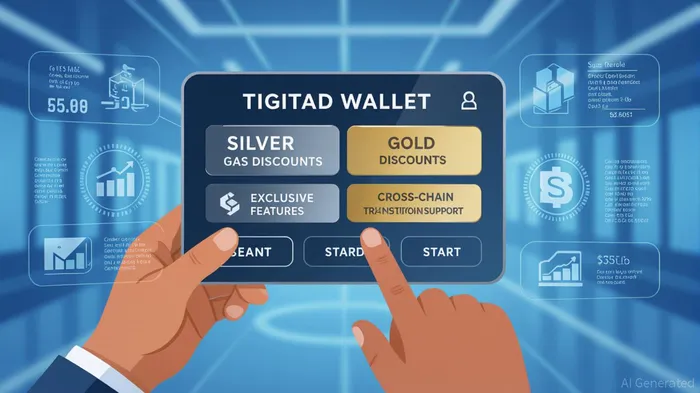
2. Gamified Utility: The Trust Premium initiative, launched in Q4 2025, ties TWT's value to user engagement through a tiered rewards system (Bronze → Silver → Gold), offering gasGAS-- discounts and exclusive features. This gamification strategy incentivizes active participation, enhancing token demand.
3. Cross-Chain Integration: TON's FlexGas protocol enables gas discounts on EthereumETH-- and BNBBNB-- Chain, expanding its utility beyond the TON blockchain. This cross-chain interoperability broadens TON's applicability in DeFi and real-world asset (RWA) transactions.
4.  Institutional Partnerships: Collaborations with entities like TetherUSDT--, Bitget, and Crypto.com have bolstered TON's liquidity and infrastructure, positioning it as a platform for stablecoin transactions and institutional-grade financial services.
These changes reflect a deliberate pivot from governance-centric tokenomics to a model emphasizing utility, scarcity, and institutional alignment.
Long-Term Market Implications
The structural reforms in TWT/TON tokenomics are designed to address two critical challenges: sustainability and institutional adoption.
Sustainability Through Scarcity and Utility
By balancing daily issuance with token burns and strategic staking, TON's model aims to mitigate inflation while fostering scarcity-a key driver of long-term value. Academic analyses emphasize that robust tokenomics require mechanisms to align stakeholder incentives and promote sustainable behavior. According to research, TON's gamified engagement and cross-chain utility further reinforce demand, reducing reliance on speculative activity.Institutional Adoption and Liquidity
Institutional partnerships have been a cornerstone of TON's strategy. The TON Strategy Company's Q3 2025 financial performance, which reported a $84.7 million net profit from staking and treasury management, underscores growing institutional confidence. Such partnerships enhance liquidity and infrastructure, critical for attracting institutional investors who prioritize transparency and scalability.Regulatory and Liquidity Risks
Despite these positives, TON faces challenges. Regulatory uncertainties surrounding tokenized assets and RWAs could hinder adoption. Additionally, if TWT's value becomes overly dependent on promotional programs (e.g., gas discounts), its utility may wane when incentives are reduced. Investors must monitor these risks alongside supply dynamics and macroeconomic trends.
Price Projections and Investor Considerations
Analysts project TON's price to average $1.54 in 2025, with potential growth to $1.95 in 2026 and $2.55 by 2030, contingent on sustained adoption and technological advancements. These forecasts align with broader crypto market trends, including the maturation of DeFi and the rise of mini apps on TON. However, investors should remain cautious about liquidity risks and regulatory shifts, which could disrupt short-term price stability.
For long-term investors, TON's tokenomics model offers a compelling case: a blend of scarcity, utility, and institutional alignment. However, success hinges on the ecosystem's ability to maintain user engagement and navigate regulatory landscapes.
Conclusion
TWT's rebranding to TON represents a strategic evolution in tokenomics, prioritizing utility, scarcity, and institutional integration. While the model addresses key challenges in crypto sustainability, investors must weigh its long-term potential against regulatory and liquidity risks. For those aligned with TON's vision of a gamified, cross-chain, and institutionally supported ecosystem, the token presents a high-conviction opportunity-but one that demands continuous due diligence.

Blending traditional trading wisdom with cutting-edge cryptocurrency insights.
Latest Articles
Stay ahead of the market.
Get curated U.S. market news, insights and key dates delivered to your inbox.




Comments
No comments yet