
Turkmenistan's Crypto Gambit: Centralized Control in a Decentralized Era


 Aime Summary
Turkmenistan, one of the world's most closed economies, has taken a significant step toward integrating into the global digital asset landscape by legalizing cryptocurrency trading under a tightly controlled regulatory framework set to take effect in 2026. The new law, signed by President Serdar Berdimuhamedov, mandates licensing for crypto exchanges and custodial services, imposes AML and KYC requirements, and enforces cold storage obligations for service providers. The legislation explicitly prohibits credit institutions from offering crypto services and grants the state authority to halt, void, or mandate refunds for token issuances, ensuring central oversight of digital asset activity.
The law classifies cryptocurrencies into two categories-backed and unbacked-without recognizing them as legal tender, currency, or securities. Regulators will later define liquidity conditions, settlement rules, and emergency redemption mechanisms for backed assets according to the new regulation. Notably, the central bank is empowered to authorize or operate its own distributed ledger systems, potentially steering the country toward state-managed, permissioned blockchain infrastructure. Mining operations, both individual and pooled, must be registered, with covert activities banned to prevent unregulated activity.
This regulatory overhaul follows a November 21 government meeting where Deputy Chairman Hojamyrat Geldimyradov outlined the legal, technological, and organizational foundations for digital asset adoption. A proposed State Commission will oversee the sector, coordinating enforcement and policy implementation. 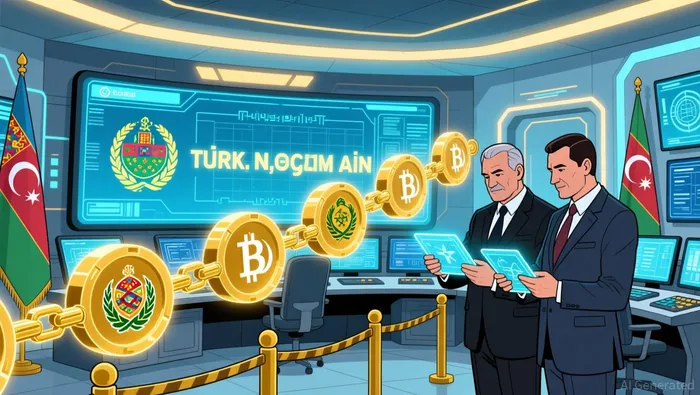 The move aligns Turkmenistan with a global trend of nations formalizing crypto frameworks, as seen in the UK's recent tax deferrals for decentralized finance users and the European Union's MiCA licensing regime.
The law's emphasis on state control reflects Turkmenistan's broader governance model, where information and economic activity are heavily centralized. Despite its historical isolation, the country's entry into structured crypto regulation could position it as a strategic player in regional digital finance, particularly as neighbors like Kazakhstan and Uzbekistan also explore crypto-friendly policies. However, the lack of public internet access to platforms like X and Telegram underscores the regime's cautious approach to technological integration.
Internationally, Turkmenistan's move highlights the dual-edged nature of crypto adoption. While it seeks to attract investment and modernize its economy, the state's dominance over token issuance and infrastructure raises concerns about surveillance and control. As global regulators grapple with balancing innovation and compliance, Turkmenistan's model underscores the challenges of harmonizing decentralized technologies with centralized governance.

Stay ahead of the market.
Get curated U.S. market news, insights and key dates delivered to your inbox.






Comments
No comments yet