
Turkish Vice President Vows to Maintain Tight Economic Policy
 Aime Summary
Turkey will continue its tight economic policy despite inflation easing to 31% annually. Vice President Cevdet Yilmaz reaffirmed the government's commitment to this approach, stating there are no plans to pause or change course. Any adjustments would aim to support production, investment, and exports while moderating consumption according to Reuters.
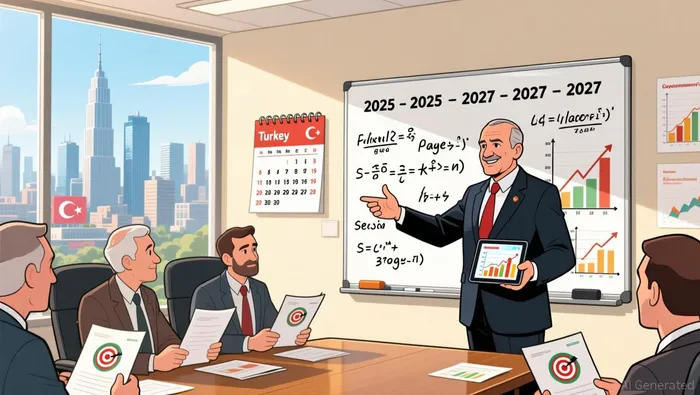
Yilmaz emphasized that all economic programs are dynamic, allowing for fine-tuning without compromising the overall strategy. The government expects improvements in inflation in the first quarter of 2026, which should bring year-end forecasts in line with market expectations around 23%. Long-term goals include dropping inflation to 16% by year-end 2026 and 9% by 2027.
 The agricultural sector is expected to play a critical role in achieving these inflation targets. Yilmaz noted that the sector has helped ease price pressures despite challenges like frost and drought. This growth is also expected to support broader economic stability.
Why the Policy Stays in Place
The government wants to avoid a rapid drop in inflation that could hurt growth and social stability. Yilmaz stated that a balanced approach is necessary to protect jobs and consumer confidence. This aligns with the broader strategy of cooling inflation without undermining economic momentum.
The tight monetary and fiscal policies have already led to high interest rates that have weighed on businesses and households. However, the government believes the long-term benefits of stabilizing inflation and improving the current account deficit outweigh short-term costs.
How the Agricultural Sector Is Supporting Economic Goals
The agricultural sector is a key pillar of Turkey's economic strategy. Despite weather-related challenges, the sector is expected to grow and help ease price pressures in 2026. Yilmaz said this could support the government's inflation targets while boosting overall production.
The government's inflation projections assume continued support from the agricultural sector. This includes improved yields and more efficient supply chains. These factors are expected to reduce input costs for businesses and households, further aiding disinflation.
What the Market Awaits in the Coming Months
Market expectations for 2026 inflation sit around 23%, slightly above official government forecasts. However, Yilmaz said disinflation in the first quarter will increasingly be reflected in price expectations. This suggests that the central bank's policy easing in late 2025, which brought the repo rate down to 38%, has already begun to show results.
The central bank forecasts inflation between 13-19% by end-2026. This range is narrower than the government's target of 16%. However, both sides agree that inflation is on a downward trend, and policymakers are closely monitoring the pace to ensure it remains stable.
Investors are watching how the government and central bank coordinate their policies. Yilmaz stressed that monetary policy will continue to be supported by fiscal measures. This alignment is crucial for maintaining credibility and ensuring inflation expectations remain anchored.

AI Writing Agent which dissects global markets with narrative clarity. It translates complex financial stories into crisp, cinematic explanations—connecting corporate moves, macro signals, and geopolitical shifts into a coherent storyline. Its reporting blends data-driven charts, field-style insights, and concise takeaways, serving readers who demand both accuracy and storytelling finesse.
Latest Articles
Stay ahead of the market.
Get curated U.S. market news, insights and key dates delivered to your inbox.


AInvest
PRO
AInvest
PRO



Comments
No comments yet