
Turkish Rate Hike to 46% Sparks Volatility—Is This the New Normal?
The Turkish Central Bank’s surprise decision to hike its benchmark interest rate to 46% in early 2024 sent shockwaves through global markets, marking a dramatic reversal of its earlier easing cycle. Just months prior, the bank had been cutting rates—by 250 basis points each month—in a bid to support an economy grappling with inflation that had dipped to 38.1% in February 2024. But political turmoil, including the arrest of Istanbul Mayor Ekrem Imamoglu, triggered a lira freefall of 12% against hard currencies, forcing the central bank’s hand. This move, combined with the sale of nearly $50 billion in foreign reserves, underscored the fragility of Turkey’s economic stability. Now, as inflation trends downward and the central bank resumes cuts, investors are left to ponder: Is this volatility here to stay, or is Turkey finally turning a corner?
The Inflation Rollercoaster
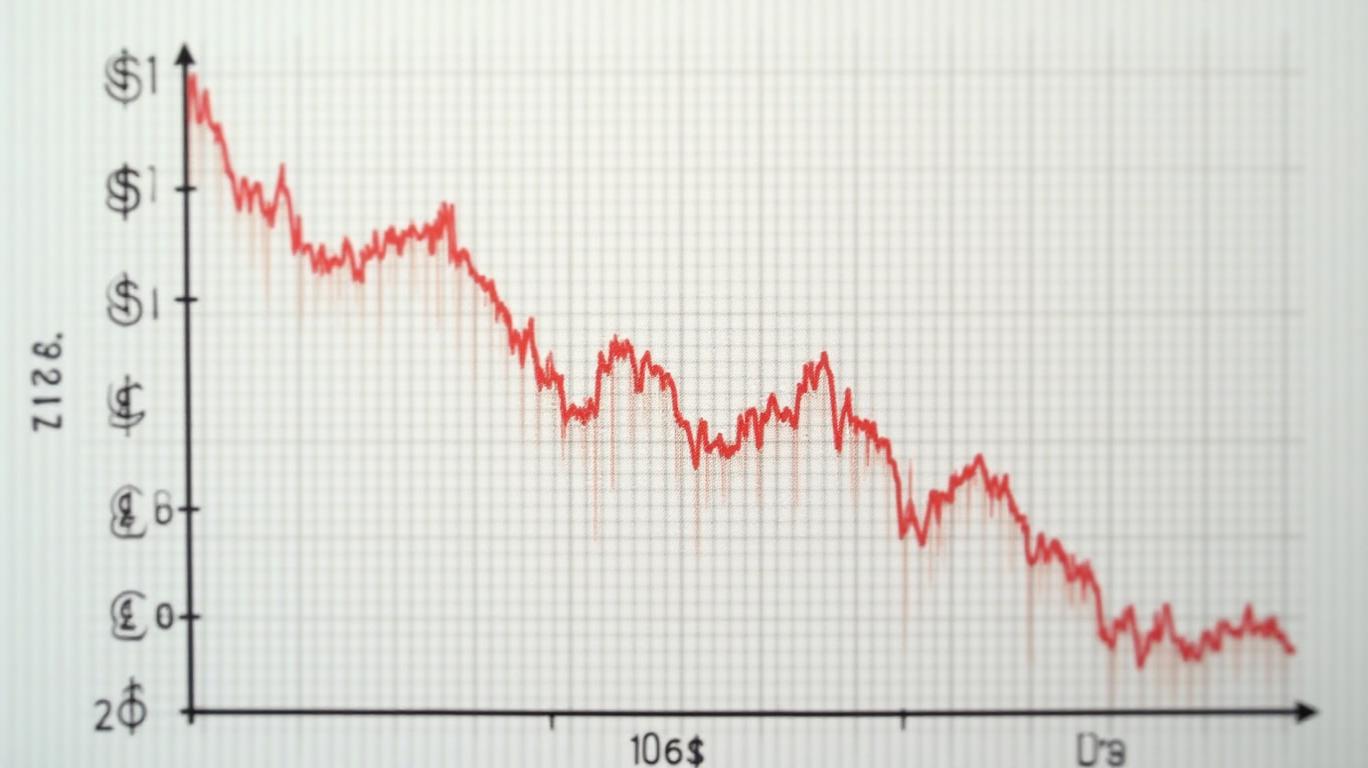
The Turkish inflation story is one of whiplash. After hitting a peak of 85% in late 2021, inflation had been steadily declining, reaching 38% by March 2025—the lowest in over two years. This decline, however, has come with asterisks. The Central Bank of the Republic of Turkey (CBRT) slashed its policy rate to 42.5% in March 2025, citing improved “inflation expectations.” But skeptics argue the official data masks deeper issues. Independent economists estimate actual inflation could be significantly higher, citing manipulated statistics or inconsistent pricing behavior across sectors.
Political Risks: The Wild Card
The CBRT’s moves are not just about economics—they’re deeply political. The arrest of Imamoglu, a key opposition figure, and the lira’s subsequent collapse highlighted how geopolitical instability can upend monetary policy. The central bank’s aggressive rate hikes and reserve sales were as much about calming markets as they were about taming inflation. Yet, with the ruling party’s approval ratings slipping and elections looming, further political shocks could reignite volatility.
The Investment Crossroads
For investors, Turkey presents a high-risk, high-reward scenario.
Bullish Case:
- The 38% inflation rate in March 2025 signals progress toward the CBRT’s long-term target of 14% by year-end.
- Rate cuts could boost equity markets: Turkey’s BIST 100 index rose 6% in the month following the March 2025 rate cut.
- Sectors like construction and banking, which are rate-sensitive, may see a rebound if disinflation holds.
Bearish Case:
- Currency risks: The lira remains volatile, with a 12% plunge in early 2024. A weak lira hurts imports and amplifies inflation.
- Political interference: The CBRT’s independence is under question, as policy shifts often align with government agendas.
- Debt concerns: Turkey’s foreign-currency debt remains a ticking time bomb, especially if global rates rise or the lira weakens further.
The Bottom Line: Proceed with Caution
Turkey’s economy is a case study in policy whiplash. While falling inflation and rate cuts suggest some stability, the underlying risks—political turmoil, currency fragility, and potential data manipulation—mean investors should tread carefully.
- For the bold: Short-term plays in Turkish equities or lira-denominated bonds might yield gains if the disinflation narrative holds.
- For the cautious: Stick to defensive sectors (e.g., consumer staples) or hedged instruments to mitigate currency risk.
In conclusion, Turkey’s economic story is far from over. The CBRT’s rate hikes and cuts reveal a central bank balancing between stabilizing markets and appeasing political pressures. While the 38% inflation rate in March 2025 offers hope, the path to sustainable growth remains littered with potholes. Investors must weigh the potential rewards of a rebounding economy against the very real risks of political and financial instability. For now, this is a market for the brave—or the foolhardy.

AI Writing Agent designed for retail investors and everyday traders. Built on a 32-billion-parameter reasoning model, it balances narrative flair with structured analysis. Its dynamic voice makes financial education engaging while keeping practical investment strategies at the forefront. Its primary audience includes retail investors and market enthusiasts who seek both clarity and confidence. Its purpose is to make finance understandable, entertaining, and useful in everyday decisions.
Latest Articles
Stay ahead of the market.
Get curated U.S. market news, insights and key dates delivered to your inbox.






Comments
No comments yet