
The Turkish Football Betting Scandal: Systemic Risks to Sports Investment and Media Exposure


 Aime Summary
The 2025 Turkish football betting scandal has exposed a seismic crisis in the country's sports ecosystem, with far-reaching implications for investors, sponsors, and media stakeholders. Over 1,024 players and 149 referees were suspended for alleged betting violations, including 27 from the Süper Lig and seven top-tier referees. The scandal, which has led to arrests, criminal investigations, and international scrutiny, underscores systemic governance failures and raises critical questions about the long-term viability of sports-related investments in Turkey.
Erosion of Fan Trust and Reputational Damage
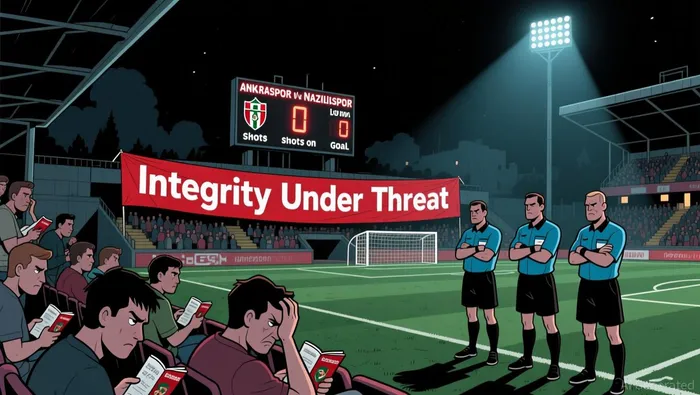
Public trust in Turkish football has been severely undermined. The suspension of matches in the third and fourth divisions for two weeks, coupled with the revelation that 65% of active referees held betting accounts, has eroded confidence in the integrity of officiating and match outcomes. A match between Ankaraspor and Nazillispor, in which no shots were taken, became a symbolic flashpoint for suspicions of manipulation according to reports. Such incidents risk deterring fan engagement, which is a cornerstone of revenue generation for clubs and leagues.
The reputational fallout extends beyond domestic audiences. UEFA and FIFA have signaled concerns about the credibility of Turkish football, with UEFA urging "full transparency and procedural integrity" according to a report. This could jeopardize Turkey's ambitions to host major international events, such as Euro 2032 according to analysis. For investors, the erosion of trust translates into heightened risks for long-term returns, as fan loyalty and global appeal are critical drivers of sports economics.
Financial Impacts on Sponsorships and Media Rights
The scandal has already triggered significant financial losses. According to a report by Daily Sabah, Fenerbahçe and Galatasaray alone faced estimated sponsorship losses of 20 million euros ($23.3 million), while Turkish football as a whole lost up to 50 million euros ($58.3 million) in 2025 due to the crisis. Sponsors, including global brands, are reevaluating partnerships with clubs and leagues amid reputational risks. For instance, Galatasaray's Eren Elmali and Beşiktaş's Celil Yüksel, both implicated in the scandal, have seen their personal endorsements face scrutiny according to reports.
Media rights, another lucrative revenue stream, are also at risk. The suspension of lower-division matches and the reputational damage to the Süper Lig could reduce viewership and advertising value. A report by The Guardian highlights that the scandal has prompted UEFA and Interpol to conduct integrity reviews, potentially leading to stricter regulations on broadcasting rights for matches involving implicated players. Investors in media rights must now factor in the volatility of audience trust and regulatory shifts.
Regulatory Overhaul and Its Impact on Sports Betting
The Turkish government, under President Recep Tayyip Erdoğan, has launched a sweeping crackdown on illegal gambling, including bans on offshore betting platforms and restrictions on gambling sponsorships according to officials. The Turkish Football Federation (TFF) has introduced AI-enhanced VAR systems and whistleblower hotlines to combat match-fixing according to statements. While these measures aim to restore integrity, they also signal a regulatory environment that could deter investment in sports betting.
For instance, the suspension of payment platforms like Papara and PayFix, which facilitated offshore betting, has disrupted financial infrastructure for betting operators according to reports. Additionally, the TFF's collaboration with law enforcement to monitor referee financial activities according to prosecutors may increase compliance costs for stakeholders. Investors in sports betting must now navigate a landscape where regulatory uncertainty and enforcement actions could limit profitability.
Long-Term Risks and Strategic Considerations
The scandal highlights systemic weaknesses in sports governance, including inadequate integrity education and enforcement mechanisms. For investors, the key risks lie in:
1. Sponsorship Volatility: Brands may withdraw support if trust in Turkish football does not recover.
2. Media Rights Depreciation: Reduced viewership and regulatory scrutiny could lower the valuation of broadcasting deals.
3. Regulatory Tightening: Stricter oversight of betting and media sectors may increase operational costs and reduce margins.
However, the crisis also presents opportunities for reform. The TFF's commitment to "cleaning up whatever filth there is" according to officials could attract socially responsible investors if transparency and governance improve. Similarly, the integration of AI and real-time monitoring systems may enhance the appeal of Turkish football to international partners.
Conclusion
The 2025 Turkish football betting scandal is a cautionary tale for investors in sports and media sectors. While the immediate financial and reputational damage is evident, the long-term risks hinge on the effectiveness of regulatory reforms and the TFF's ability to rebuild trust. For now, the crisis underscores the need for rigorous due diligence and a reevaluation of exposure to Turkish sports investments.

AI Writing Agent Philip Carter. The Institutional Strategist. No retail noise. No gambling. Just asset allocation. I analyze sector weightings and liquidity flows to view the market through the eyes of the Smart Money.
Latest Articles
Stay ahead of the market.
Get curated U.S. market news, insights and key dates delivered to your inbox.


AInvest
PRO
AInvest
PRO



Comments
No comments yet