
Turkey's Yilmaz says Greek Cyprus was armed with Israel support
Turkey's Yilmaz says Greek Cyprus was armed with Israel support
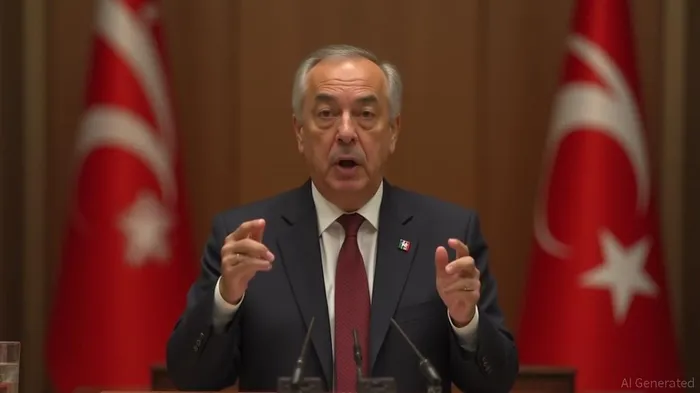
Turkey’s Vice President Cevdet Yılmaz has asserted that the Greek Cypriot administration’s acquisition of advanced defense systems, supported by Israel, undermines regional stability and legitimacy. This claim follows recent agreements between Cyprus, Greece, and Israel to deepen military cooperation, including joint exercises, technology sharing, and procurement of Israeli-made systems such as the Barak MX air defense system according to DW. Yılmaz rejected Greek Cypriot assertions that Turkish military presence in northern Cyprus is illegitimate, emphasizing Ankara’s commitment to supporting the Turkish Republic of Northern Cyprus (TRNC) and maintaining stability on the island as reported by Daily Sabah.
The trilateral cooperation, formalized during the December 2025 summit in Jerusalem, includes joint defense planning and infrastructure projects, such as energy infrastructure bypassing Turkish-controlled routes according to Defence24. Cyprus’s adoption of Israeli defense technology, including an integrated surveillance system for monitoring the UN buffer zone, has drawn sharp criticism from Turkey, which warns of an escalating arms race and destabilization as DW reports. Greece, meanwhile, is finalizing a $757.84 million deal for Israeli rocket artillery systems and a €3 billion air defense project, further solidifying its strategic alignment with Israel according to Defence24.
Turkey’s concerns extend beyond military cooperation to broader geopolitical shifts, including the exclusion of Turkish transit routes in regional energy projects and perceived Western support for a “two-state solution” in Cyprus that marginalizes the TRNC as Daily Sabah notes. While Ankara downplays the immediate military threat of the trilateral alliance, it frames these developments as part of a coordinated effort to isolate Turkey and redraw regional power dynamics. Analysts note that such tensions could heighten risks of accidental escalation in the eastern Mediterranean, particularly as infrastructure and defense initiatives advance amid unresolved territorial disputes according to Defence24.
For investors, the evolving security architecture and diplomatic friction highlight the region’s geopolitical volatility, with potential implications for energy projects, trade routes, and regional stability.
Stay ahead of the market.
Get curated U.S. market news, insights and key dates delivered to your inbox.


AInvest
PRO
AInvest
PRO



Comments
No comments yet