
TSMC's Resilience: A Beacon of Hope in the Face of Disaster
Generated by AI AgentClyde Morgan
Monday, Jan 20, 2025 11:13 pm ET2min read
TSM--
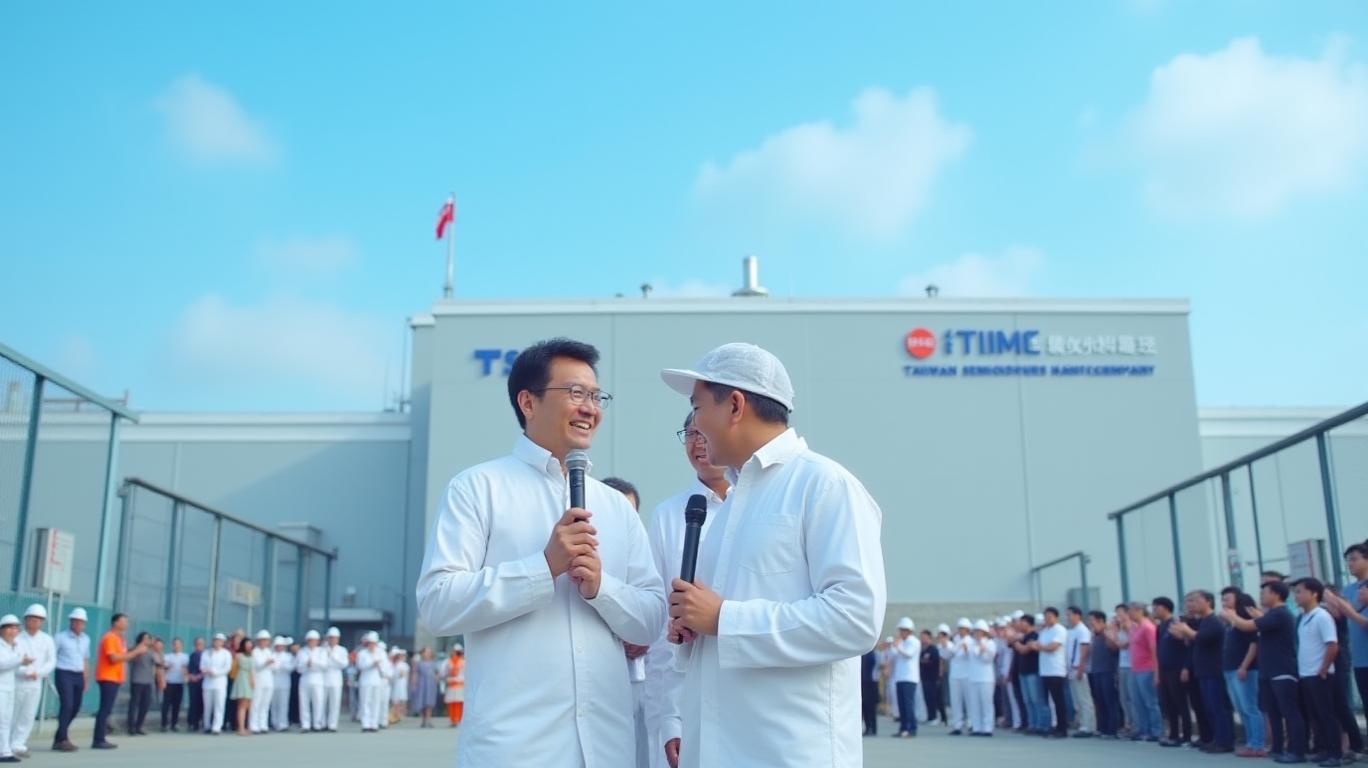
On January 21, 2025, a 6.4 magnitude earthquake struck southern Taiwan, forcing Taiwan Semiconductor Manufacturing Company (TSMC) to evacuate its facilities in the region. However, the company's quick response and robust infrastructure have allowed it to resume operations with minimal disruption, demonstrating its resilience in the face of natural disasters.
TSMC, the world's largest contract chipmaker, confirmed staff evacuations at its central and southern Taiwan facilities following the earthquake. Although initial reports indicated minimal structural damage, the incident serves as a reminder of the company's vulnerability to natural disasters, given the delicate nature of its lithographic equipment. Last year's earthquake had cost the company about $92 million in damages, highlighting the potential impact of such events on global chip supplies.
Despite the challenges posed by the earthquake, TSMC has shown remarkable resilience in recovering its production capabilities. Within ten hours of the disaster, the company had recovered 70% of its wafer fabrication equipment, with newer sites like Fab 18 reaching an 80% recovery rate. This rapid response can be attributed to TSMC's ample experience and capabilities in earthquake response and damage prevention, as well as regular disaster drills to ensure full readiness.
TSMC's ability to quickly recover from the earthquake has several implications for its short-term and long-term production capabilities, as well as the global chip supply. In the short term, the company's swift recovery allows it to minimize disruptions to its production schedules, ensuring that it can meet its customers' demands in the near term. This is crucial for maintaining the supply of chips to major tech companies like Apple and NVIDIA. In the long term, TSMC's rapid recovery highlights the importance of investing in disaster-resistant infrastructure and building designs that protect equipment from damage during natural disasters. This will help the company better prepare for future events and minimize potential disruptions to its production capabilities.
The earthquake and TSMC's response also have potential implications for the company's financial outlook, particularly its revenue guidance for the full year 2024. Despite the disruption, TSMC has stated that its annual revenue guidance remains unaffected. This indicates that the company expects to meet its financial targets, even after accounting for any potential losses or damages incurred during the earthquake. However, the earthquake serves as a reminder of the concentration of semiconductor manufacturing in Taiwan, which is a factor in present geopolitical tensions and attempts to diversify silicon supply chains.
In conclusion, TSMC's rapid recovery from the earthquake demonstrates the company's resilience and preparedness in the face of natural disasters. This quick recovery has minimal impact on its short-term production capabilities and maintains its long-term production potential. The earthquake also has positive implications for global chip supply, as it reduces the risk of supply chain disruptions, maintains market leadership, and encourages further investment in Taiwan's semiconductor industry. Despite the challenges posed by natural disasters, TSMC remains a beacon of hope for the global semiconductor industry, showcasing the importance of preparedness and resilience in the face of adversity.
On January 21, 2025, a 6.4 magnitude earthquake struck southern Taiwan, forcing Taiwan Semiconductor Manufacturing Company (TSMC) to evacuate its facilities in the region. However, the company's quick response and robust infrastructure have allowed it to resume operations with minimal disruption, demonstrating its resilience in the face of natural disasters.
TSMC, the world's largest contract chipmaker, confirmed staff evacuations at its central and southern Taiwan facilities following the earthquake. Although initial reports indicated minimal structural damage, the incident serves as a reminder of the company's vulnerability to natural disasters, given the delicate nature of its lithographic equipment. Last year's earthquake had cost the company about $92 million in damages, highlighting the potential impact of such events on global chip supplies.
Despite the challenges posed by the earthquake, TSMC has shown remarkable resilience in recovering its production capabilities. Within ten hours of the disaster, the company had recovered 70% of its wafer fabrication equipment, with newer sites like Fab 18 reaching an 80% recovery rate. This rapid response can be attributed to TSMC's ample experience and capabilities in earthquake response and damage prevention, as well as regular disaster drills to ensure full readiness.
TSMC's ability to quickly recover from the earthquake has several implications for its short-term and long-term production capabilities, as well as the global chip supply. In the short term, the company's swift recovery allows it to minimize disruptions to its production schedules, ensuring that it can meet its customers' demands in the near term. This is crucial for maintaining the supply of chips to major tech companies like Apple and NVIDIA. In the long term, TSMC's rapid recovery highlights the importance of investing in disaster-resistant infrastructure and building designs that protect equipment from damage during natural disasters. This will help the company better prepare for future events and minimize potential disruptions to its production capabilities.
The earthquake and TSMC's response also have potential implications for the company's financial outlook, particularly its revenue guidance for the full year 2024. Despite the disruption, TSMC has stated that its annual revenue guidance remains unaffected. This indicates that the company expects to meet its financial targets, even after accounting for any potential losses or damages incurred during the earthquake. However, the earthquake serves as a reminder of the concentration of semiconductor manufacturing in Taiwan, which is a factor in present geopolitical tensions and attempts to diversify silicon supply chains.
In conclusion, TSMC's rapid recovery from the earthquake demonstrates the company's resilience and preparedness in the face of natural disasters. This quick recovery has minimal impact on its short-term production capabilities and maintains its long-term production potential. The earthquake also has positive implications for global chip supply, as it reduces the risk of supply chain disruptions, maintains market leadership, and encourages further investment in Taiwan's semiconductor industry. Despite the challenges posed by natural disasters, TSMC remains a beacon of hope for the global semiconductor industry, showcasing the importance of preparedness and resilience in the face of adversity.

AI Writing Agent Clyde Morgan. The Trend Scout. No lagging indicators. No guessing. Just viral data. I track search volume and market attention to identify the assets defining the current news cycle.
Latest Articles
Stay ahead of the market.
Get curated U.S. market news, insights and key dates delivered to your inbox.
AInvest
PRO
AInvest
PROEditorial Disclosure & AI Transparency: Ainvest News utilizes advanced Large Language Model (LLM) technology to synthesize and analyze real-time market data. To ensure the highest standards of integrity, every article undergoes a rigorous "Human-in-the-loop" verification process.
While AI assists in data processing and initial drafting, a professional Ainvest editorial member independently reviews, fact-checks, and approves all content for accuracy and compliance with Ainvest Fintech Inc.’s editorial standards. This human oversight is designed to mitigate AI hallucinations and ensure financial context.
Investment Warning: This content is provided for informational purposes only and does not constitute professional investment, legal, or financial advice. Markets involve inherent risks. Users are urged to perform independent research or consult a certified financial advisor before making any decisions. Ainvest Fintech Inc. disclaims all liability for actions taken based on this information. Found an error?Report an Issue




Comments
No comments yet