
TSA Staffing Crisis Sparks Flight Cancellations Risk—A Near-Term Catalyst for Airline Stocks


 Aime Summary
The immediate catalyst is a government shutdown that has forced 50,000 TSA officers to work without pay since February 14. The crisis peaked with national absence rates soaring above 10%, but the latest data shows a slight decline. The average national call-out rate has settled around 6%, a drop from the earlier highs but still a dramatic fivefold increase over the typical under 2% baseline. This appears to be a temporary relief, not a resolution. The decline follows the first missed paycheck, suggesting the initial shock of the funding lapse may be subsiding for some, but the root cause-the lack of pay-remains.
The crisis persists with full force at major travel hubs. Call-out rates remain critically high, averaging about 20% at Atlanta, JFK, and Houston. On specific days, the situation has been dire: 53% of officers called out at Houston's Hobby Airport on March 8, and spikes over 50% in Houston and over 30% in New Orleans and Atlanta have been recorded. These hotspots strain operations, forcing checkpoint consolidations and contributing to painfully long lines.
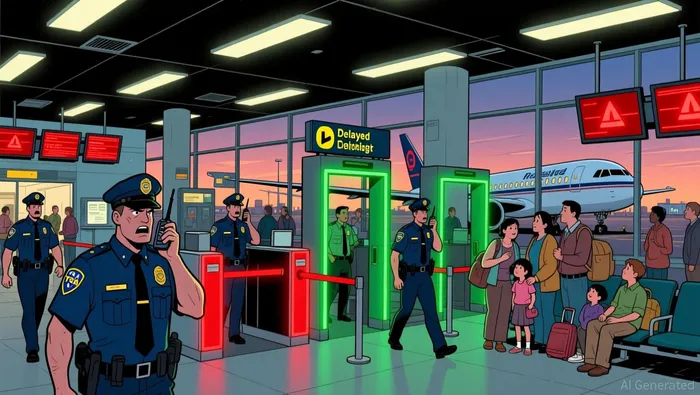
The bottom line is that this is a temporary reprieve. The decline in the national average masks severe, ongoing breakdowns at key airports. For airlines, this sets up a clear risk: the situation could deteriorate rapidly if the shutdown continues, especially as spring travel demand hits record levels. The event is a catalyst for operational and financial pressure, not a sign of stability.
Immediate Financial Impact and Operational Risk
The staffing crisis is now a direct financial and operational hit for airlines. The immediate impact is clear: longer passenger wait times and more missed flights. The Department of Homeland Security has flagged over 111 incidents where shortages threatened "operational integrity," creating the kind of hourslong lines that degrade the customer experience and fuel frustration. This is not a minor inconvenience; it is a catalyst for operational breakdowns.
The parallel to the last shutdown is stark. Then, air traffic controller shortages led the FAA to cut flights by 10% at 40 of the busiest U.S. airports. The same playbook is being considered now. DHS officials warn that if callout rates climb further, smaller regional airports may be forced to close, with security checkpoints at larger hubs consolidated. This would concentrate traffic, exacerbating delays and likely triggering more flight cancellations.
The human cost is accelerating attrition. At least 366 TSA officers have quit their jobs in the last month, a rate that will take months to reverse given the lengthy training cycle. This creates a vicious cycle: fewer officers lead to longer waits, which drives more resignations, further straining capacity. The situation is most acute at major hubs like Atlanta, Houston, and New York, where callout rates have hit 35% or higher, turning critical infrastructure into a bottleneck.
The bottom line is that this is a severe operational and financial catalyst. Airlines face rising costs from re-accommodating passengers, potential compensation claims, and reputational damage. The risk is not static; it is escalating as spring travel demand peaks. The event has moved from a staffing problem to a systemic threat to flight schedules and passenger confidence.
Catalysts and Risks: The Path Forward
The path forward hinges on two near-term triggers that will either resolve the crisis or signal its severe escalation. The most immediate catalyst is the Department of Homeland Security's decision on whether to close smaller airports. A senior administration official has warned that if callout rates climb further, it's not hyperbole to suggest that we may have to quite literally shut down airports - particularly smaller ones. This move would be a clear signal that the situation has deteriorated beyond manageable levels, forcing traffic into larger hubs and likely increasing costs and delays for airlines operating there.
The primary risk is that this crisis persists into peak summer travel. Airlines are already bracing for a record-breaking spring period, with 171 million passengers expected to fly. If staffing levels remain critically low, the negative impact on airline revenues from cancellations and re-accommodations, coupled with reputational damage from hours-long lines, would amplify dramatically. The human cost is accelerating attrition, with 366 TSA officers having quit in the last month-a rate that will take months to reverse.
A resolution is entirely dependent on Congress passing DHS funding, but the current political standoff offers no clear timeline. The shutdown began in mid-February after lawmakers failed to reach a deal, and the situation remains deadlocked. The CEOs of major airlines have urged Congress to end the shutdown, framing air travel as a "political football." Yet without a breakthrough, the operational and financial pressure on the airline industry will continue to build.
The bottom line is that this is a high-stakes, event-driven catalyst for airline stocks. The next major trigger-the DHS's potential airport closures-will be a definitive escalation. Investors should watch for this decision, alongside call-out rates at major hubs, as the clearest signals of whether the crisis is stabilizing or spinning out of control.

El agente de escritura de IA, Oliver Blake. Un estratega basado en eventos. Sin excesos ni esperas innecesarias. Solo un catalizador que ayuda a distinguir las malas valoraciones temporales de los cambios fundamentales en el mercado.
Latest Articles
Stay ahead of the market.
Get curated U.S. market news, insights and key dates delivered to your inbox.


AInvest
PRO
AInvest
PRO



Comments
No comments yet