
Truth Social & Trump: A Week of Tariffs, Diplomacy, and Digital Drama
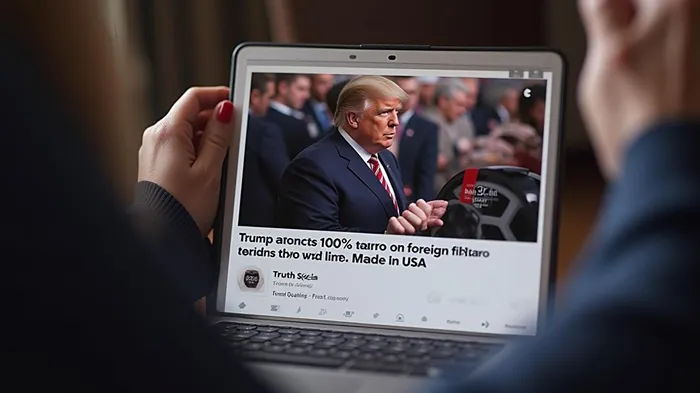
Lead: In a whirlwind week of geopolitical brinkmanship and digital theatrics, President Donald Trump used his Truth Social platform to unveil bold policy shifts—from Hollywood to the Middle East—while sparking fresh controversies. The most immediate market-moving announcement? A proposed 100% tariff on foreign-produced films, a move that sent shockwaves through the entertainment industry and highlighted the growing influence of social media on global trade policy.
The Tariff Tsunami: Hollywood, China, and a New Era of Economic Warfare
Trump’s May 5 post declaring a “total reset” in U.S.-China trade talks framed the administration’s aggressive stance. While Treasury Secretary Scott Bessent downplayed immediate dealmaking, Trump’s rhetoric signaled a potential reduction of Chinese tariffs from 145% to 80%, contingent on Beijing’s cooperation.
But the real fireworks came with the foreign film tariff, which threatened to cripple a sector already reeling from streaming dominance. Analysts at Goldman SachsAAAU-- estimated the move could cost Hollywood studios up to $15 billion annually in lost revenue from foreign co-productions.
Yet the White House’s noncommittal stance—calling the film tariff “not final”—left investors confused. “This isn’t policy—it’s performance art,” said tech analyst Sarah Lee of MarketWatch. “Trump uses Truth Social to test the waters, but the real impact hinges on whether these posts translate into actionable legislation.”
Diplomacy on a Tightrope: Gaza, Iran, and the Middle East Gamble
While the film tariff grabbed headlines, Trump’s foreign policy moves carried higher stakes. His direct threats to Gazans (“You are dead if hostages are not released”) and the AI-generated “Gaza Rivera” video drew global condemnation, with UN officials calling the rhetoric “dangerously inflammatory.”
Meanwhile, the administration’s Iran nuclear talks in Oman revealed a stark divide. Trump’s envoy, Steve Witkoff, warned of military action if enrichment demands weren’t met, while Iran’s foreign ministry dismissed the talks as “not genuine.”
The real wildcard? Trump’s Middle East trip to Saudi Arabia and Qatar. By leveraging the Abraham Accords and U.S. energy exports, the administration aims to tighten economic ties with Gulf states—potentially sidelining European competitors. “This isn’t just diplomacy—it’s a hedge against energy price volatility,” noted geopolitical strategist Michael Cohen.
The Digital Divide: Truth Social as a Policy Megaphone
Trump’s Truth Social posts aren’t just political theater—they’re a direct conduit to markets. When he announced plans to buy a “brand new Tesla,” Tesla’s stock briefly spiked 2%, despite no formal partnership. Similarly, his threat to ban plastic straws sent paper product stocks like Westrock up 5% before backlash over feasibility.
The platform’s influence is underscored by Trump’s financial maneuvering: transferring his $4 billion Truth Social stake into a personal trust signals confidence in the platform’s long-term value.
But risks loom. Critics argue the administration’s reliance on social media to announce policy—without White House vetting—creates chaos. “Investors can’t separate signal from noise when every tweet is a trial balloon,” said economist Linda Zhao.
Conclusion: Navigating the Trump Doctrine
Trump’s week-long blitz of Truth Social posts underscores a new paradigm in global governance: policies are now as likely to emerge from social media as from diplomatic cables. For investors, the takeaway is clear:
- Track trade rhetoric closely: The China tariff “reset” and BRICS sanctions could reshape supply chains.
- Monitor Middle East ties: Gulf investments in U.S. energy and tech firms may boom if diplomatic wins materialize.
- Beware of digital volatility: Sudden shifts in policy—like the film tariff—will keep markets on edge until clarity emerges.
As one Wall Street analyst put it: “In this administration’s world, every post is a policy trial. The question is: who’s paying attention?”
Data sources: Goldman Sachs, MarketWatch, U.S. Treasury, UN statements.

Stay ahead of the market.
Get curated U.S. market news, insights and key dates delivered to your inbox.


AInvest
PRO
AInvest
PRO



Comments
No comments yet