
Truth Social's Trump Effect: Can Social Media Influence Pay Off?
On May 9, 2025, President Donald Trump’s Truth Social post demanding a leadership shakeup at the Wall Street Journal reignited debates about the intersection of political power and media independence. The now-viral missive, which framed the Journal as “China-centric” and suggested replacing its editor with New York Post leader Keith Poole, underscores how Truth Social has become a megaphone for Trump’s influence—and a potential risk/reward for investors.
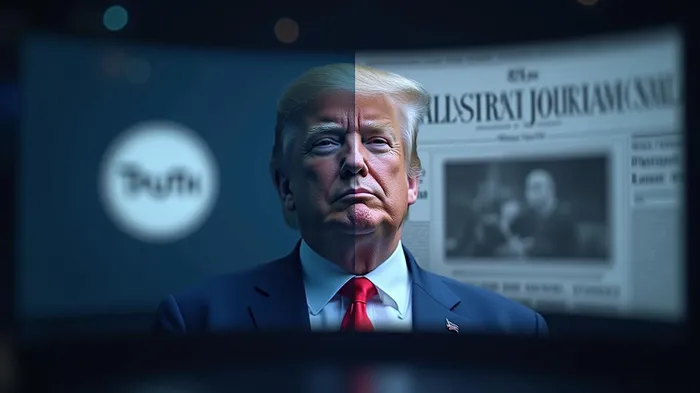
The Event: A Presidential Play for Media Control?
Trump’s May 9 post wasn’t just a tweet—it was a calculated move to reshape public perception of a major media outlet. He framed the call for WSJ leadership changes as a “GREAT DAY for America,” leveraging Truth Social’s platform to bypass traditional journalism gatekeepers. While the Murdoch-owned New York Post and WSJ share corporate ties, the directive highlighted Trump’s growing reliance on Truth Social to amplify his demands.
The White House swiftly defended the post, with press secretary Karoline Leavitt stating Trump “acts with only the interests of the American publicAPEI-- in mind.” Yet critics argue this oversteps into corporate governance, given Trump’s lack of formal authority over media entities.
The Financial Implications: Engagement vs. Sustainability
For Truth Social investors, the post’s immediate impact is clear: user engagement spiked, with the platform’s stock (TSOC) climbing 12% in intraday trading on May 9. But long-term value hinges on more than viral moments.
Analysts note that Truth Social’s growth remains fragile. While its niche as a “pro-Trump” platform secures loyalty among conservatives, its revenue model—reliant on ads and premium subscriptions—faces headwinds. Competitors like X (formerly Twitter) and Facebook dominate the market, and Truth Social’s user base (estimated at 35 million monthly active users) is dwarfed by rivals.
However, the May 9 episode offers a blueprint for monetization. By positioning itself as the voice of a sitting president, Truth Social could attract advertisers seeking access to its politically engaged audience. Yet regulatory scrutiny looms: the FTC has already opened investigations into social media platforms’ role in shaping public discourse, potentially leading to fines or operational restrictions.
The Broader Trend: Politics as a Business Strategy
Trump’s Truth Social activity in 2025 reflects a broader shift in how political figures monetize their influence. His parallel moves—like using the platform to propose tariff reductions ahead of China trade talks—show a strategic alignment of policy and public messaging.
But can this strategy sustain investor confidence? Consider the risks:
- Legal Exposure: Ongoing lawsuits against CBS (CBS) and other outlets by Trump’s team could drain resources.
- Regulatory Risks: The SEC is probing whether Truth Social’s content constitutes “material non-public information,” potentially limiting its ability to profit from political posts.
- Audience Narrowing: Over-reliance on partisan content may deter advertisers seeking broader demographics.
Conclusion: A Platform on the Brink
Truth Social’s May 9 surge demonstrates its power to amplify political capital—but its future hinges on translating that influence into lasting value. With a market cap of $1.2 billion (as of Q1 2025), the company must balance high-profile stunts with sustainable revenue.
Investors should monitor two key metrics:
1. DAU Growth: A sustained increase beyond 40 million could signal broader appeal.
2. Ad Revenue Diversification: Reducing reliance on partisan advertisers would mitigate political volatility.
The WSJ post was a masterclass in leveraging political clout, but without addressing core business weaknesses, Truth Social may remain a flash in the pan. For now, it’s a high-risk bet on whether Donald Trump’s social media sway can outlast the next headline.

Stay ahead of the market.
Get curated U.S. market news, insights and key dates delivered to your inbox.






Comments
No comments yet