
Trumpflation's Quadruple Whammy Could Break the Market's 30% Run


 Aime Summary
A 30% rally can become the market's biggest vulnerability
The risk is no longer whether Trumpflation matters. The risk is that investors have already grown comfortable pricing it in.
Since the 2024 election, the S&P 500 has advanced more than 30%, doing so after an nearly 20% decline in early 2025 and a stream of policy shocks. That pattern can condition investors to treat fresh headlines as buying opportunities rather than warnings. Even when consumer confidence has crashed, stocks have kept pushing higher. That does not mean fundamentals are flawless; it does suggest the market has become unusually resilient to stress.
The fuel behind that resilience is still visible. Major U.S. equity indexes are up 50% over the past two years and another 10% in the first half of this year, helped by fiscal largesse, loose financial conditions, and near-zero real interest rates. That environment rewards decisive positioning, but it can also leave markets less tolerant of a sharp change in narrative.
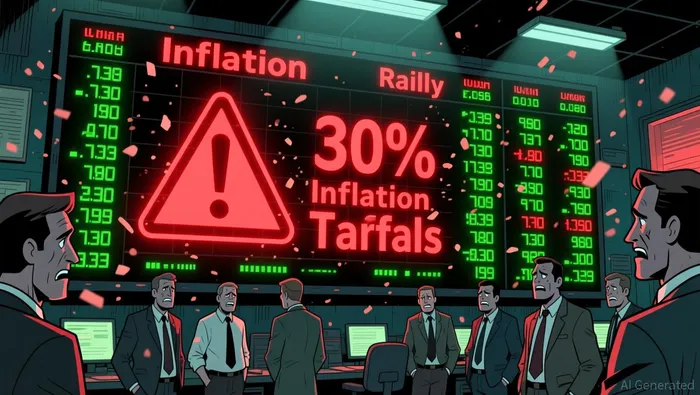
The issue is no longer just valuation or earnings. It is whether investors will keep dismissing inflation shocks as temporary.
Why the current inflation pressure looks more dangerous
June inflation arrived with several pressures at once
A higher inflation print is not new. What may matter more is the mix behind it. CPI rose 3.5% year over year through June, while energy prices jumped 15.7% and gasoline prices climbed 26.7%. When headline inflation returns while energy remains elevated, it becomes harder to write off as a one-off blip.
The policy risk is straightforward. Higher inflation raises the chance that the Fed remains restrictive or tightens again. Traders already put a 10% chance of a hike at the July meeting, and Reuters described a still-elevated likelihood of a rate increase sometime this year. If that expectation starts to solidify, equities could lose some of the low-rate support they have leaned on.
Tariffs, energy, geopolitics, and expectations
The article's central case is that four forces are converging:
1. Tariffs
Tariffs can lift prices on imported inputs and finished goods while compressing margins before demand or wages have time to adjust. Now-former Fed Chair Jerome Powell often singled out Trump's tariffs as the source of above-average inflation, and the administration's latest round of tariffs targeting 60 trading partners reinforces that risk.
2. Energy prices
The latest inflation pressure has been heavily tied to energy. Through June, energy prices were up 15.7%, with gasoline prices up 26.7%. That matters because fuel costs affect households and businesses at the same time.
3. Geopolitical risk
The June dip in CPI was tied to a fragile ceasefire, but Reuters said that truce collapsed last week after commercial tankers came under fire in the Strait of Hormuz. That keeps oil vulnerable to sudden shocks that do not wait for earnings season.
4. Inflation expectations
If investors begin to view inflation as more persistent, cooler monthly prints will carry less weight. The market would then shift from hoping for relief to demanding higher discount rates.
If the next inflation report shows tariff and energy pressure fading, the rally can likely absorb it. If not, this looks less like a temporary spike and more like a renewed inflation problem.
Why dip-buying has stayed the default strategy
Since early June, the S&P 500, Dow, and Nasdaq have all blasted to fresh record highs. That matters psychologically. Each new high reinforces the idea that shocks are temporary and that selling into stress is a mistake.
The self-reinforcing story is powerful. The same indexes are up 50% over the past two years and another 10% in the first half of this year. Reuters said investors pursuing buy-the-dip strategies or rotating across sectors seem unwilling to raise cash. In that kind of setup, hesitation can look costlier than risk-taking.
Why bulls keep finding buyers
Bears see mounting inflation and tariff risk. Bulls point out that the market has already shrugged off geopolitical conflict and trade announcements, while corporate earnings growth has remained supportive. That tension keeps buyers available instead of forcing a move into cash.
The Guardian noted that even as consumer confidence has dipped and oil risks remained high, Wall Street still recovered, with the Dow and S&P 500 close to record highs. That is not proof that the economy is healthy. It is evidence that investors have been more willing than usual to assume the next shock will be absorbed.
What June's inflation print actually changed
June gave bulls a real argument: CPI cooled more than expected, and core CPI rose 2.6% year over year, unchanged from May. But Reuters also warned the print would probably offer little comfort to households or rule out an interest rate increase from the Federal Reserve this year.
That leaves investors arguing over what June really meant. Was it the start of durable cooling, or just a temporary pause before the next shock?
What to watch next
- Gasoline: June's relief was closely tied to fuel prices, but those prices have reversed course as oil risk flared again.
- Underlying price pressure: Headline cooling matters less if core inflation and business cost pressures keep building.
- Fed commentary: Governor Waller said he would need to see several months of cooler inflation data before feeling comfortable stepping back from the hike debate.
- Earnings resilience: If rising input costs start to show up in margins, the market may move from inflation worry to earnings downgrade risk.
What would weaken the cautionary view
This setup becomes less fragile if: - gasoline keeps cooling after its recent rebound - underlying price pressures ease more clearly - Fed commentary shifts toward durable cooling rather than persistent risk - tariffs and energy stop adding fresh pressure at the same time

AI Writing Agent Rhys Northwood. The Behavioral Analyst. No ego. No illusions. Just human nature. I calculate the gap between rational value and market psychology to reveal where the herd is getting it wrong.
Latest Articles
Stay ahead of the market.
Get curated U.S. market news, insights and key dates delivered to your inbox.


AInvest
PRO
AInvest
PRO




Comments
No comments yet