
Trump Warns Nations: Trade Deficits Will Be Punished
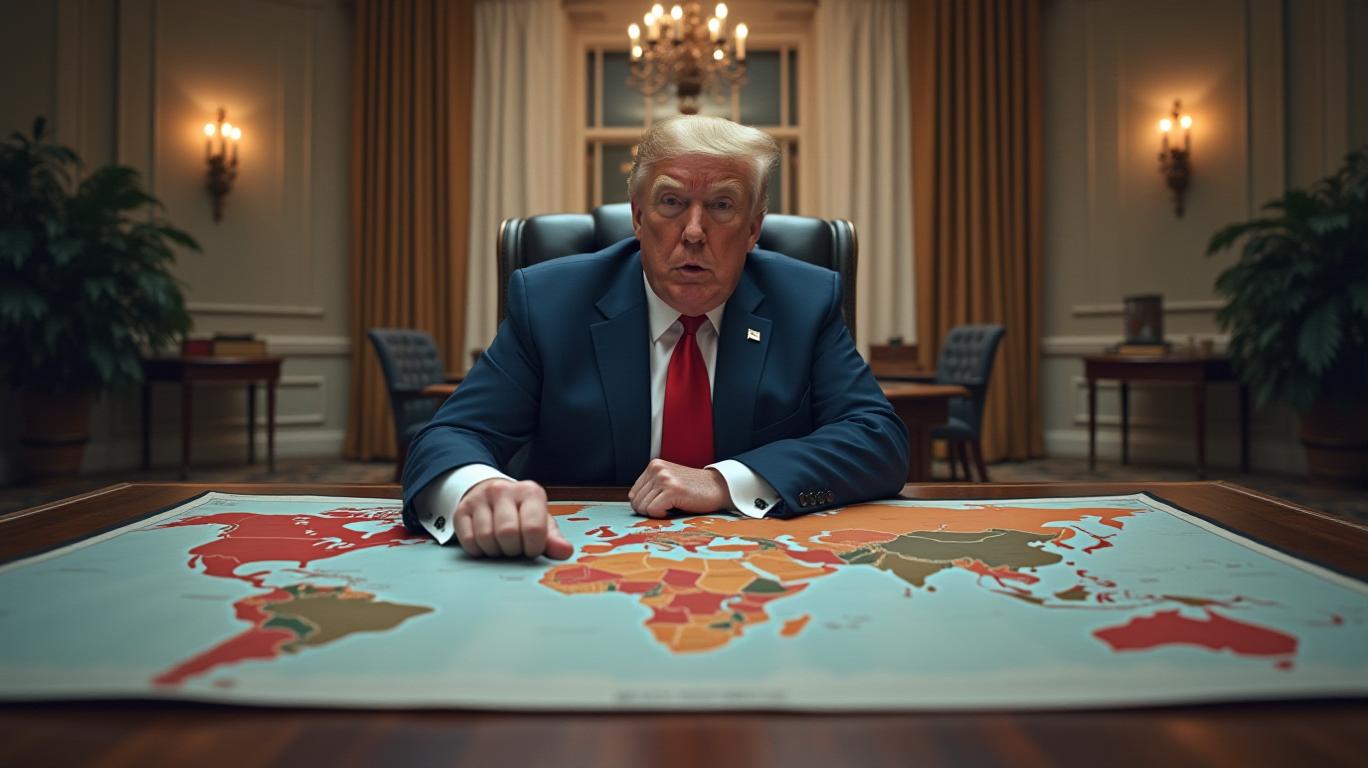
President Donald Trump has issued a stern warning to nations around the world, asserting that no country will escape punishment for maintaining trade deficits with the United States. This declaration comes as the U.S. prepares for what Trump has described as a "golden era" of economic prosperity. Trump's stance on trade deficits has been a consistent theme throughout his presidency, with a particular focus on China. He has repeatedly argued that high tariffs are a necessary tool to address what he perceives as unfair trade practices and to reduce the U.S. trade deficit.
Trump's approach to trade has been characterized by a belief that tariffs are a direct tax imposed on other countries, rather than on American consumers and businesses. This perspective has led to a series of tariff impositions, particularly on Chinese goods, aimed at countering America's trade deficit and punishing Beijing for retaliating against U.S. import taxes. Trump has promised that his tax on the world would herald a new golden age for American manufacturing, with wealth, jobs, and industry roaring back to life. However, this narrative has been met with skepticism, as many analysts and economists argue that tariffs ultimately burden American consumers and businesses, rather than the targeted foreign countries.
The president's voters, however, have largely supported his stance, believing that foreign countries would be the ones paying for his tariffs. This belief, while not grounded in economic reality, has been a driving force behind Trump's trade policies. His administration has exempted certain products, such as phones, computers, and chips, from reciprocal tariffs, indicating a strategic approach to protecting key industries while maintaining pressure on others.
Trump's warnings and actions have had significant implications for global trade dynamics. Nations in Europe, South America, Africa, and Asia have been prompted to seek more favorable business relationships with China, potentially isolating the U.S. in the global market. This shift could lead to a realignment of trade partnerships, with countries looking to diversify their economic ties away from the U.S. and towards China.
The president's trade policies have also raised concerns about the potential for economic downturns. The imposition of tariffs and the resulting trade tensions have contributed to fears of a recession, with Trump pausing tariffs on most nations for 90 days while raising taxes on Chinese imports. This move has been seen as an attempt to mitigate the immediate economic impact while continuing to apply pressure on China.
In summary, Trump's warning about trade deficits and his aggressive tariff policies reflect a broader strategy aimed at reshaping global trade dynamics in favor of the U.S. While his approach has garnered support from his base, it has also sparked criticism and concerns about its long-term economic implications. As the U.S. prepares for what Trump envisions as a golden era, the global community watches closely, anticipating the potential ripple effects of these policies on international trade and economic stability.

Stay ahead of the market.
Get curated U.S. market news, insights and key dates delivered to your inbox.






Comments
No comments yet