
Trump Vows April 2 Tariffs on Countries Imposing Tariffs on U.S.
U.S. President Donald Trump has reiterated his plan to impose tariffs on April 2, in response to any country that imposes tariffs on the United States. This announcement comes as part of the ongoing trade tensions between the U.S. and several other countries, including China and the European Union.
The proposed tariffs are expected to be equivalent to those imposed on the U.S. by other countries. Trump's administration has been vocal about its intention to protect American jobs and industries from unfair trade practices. The President has previously stated that any country that imposes tariffs on the U.S. will face retaliation in the form of tariffs on their exports to the U.S.
The U.S. has already imposed tariffs on a range of goods from China, including steel and aluminum, as part of its efforts to address the trade imbalance between the two countries. China has retaliated with its own tariffs on U.S. goods, including soybeans and aircraft. The ongoing trade dispute has had significant impacts on both countries' economies and has raised concerns about the potential for a global economic slowdown.
The European Union has also been affected by the U.S. tariffs, with the U.S. imposing duties on European steel and aluminum exports. The EU has responded with its own tariffs on a range of U.S. goods, including motorcycles, whiskey, and jeans. The trade tensions between the U.S. and the EU have also raised concerns about the potential for a global economic slowdown.
The U.S. has also been involved in trade disputes with other countries, including Canada and Mexico. The U.S., Canada, and Mexico are currently engaged in negotiations to update the North American Free Trade Agreement (NAFTA). The U.S. has threatened to withdraw from the agreement if it cannot reach a satisfactory deal with its neighbors.
The U.S. tariffs have been criticized by some economists and trade experts, who argue that they could harm the U.S. economy and lead to job losses. However, the Trump administration has maintained that the tariffs are necessary to protect American jobs and industries from unfair trade practices.
The U.S. tariffs have also been criticized by some countries, who argue that they are protectionist and violate international trade rules. The World Trade Organization (WTO) has been involved in several disputes related to the U.S. tariffs, including a case brought by China and a case brought by the EU 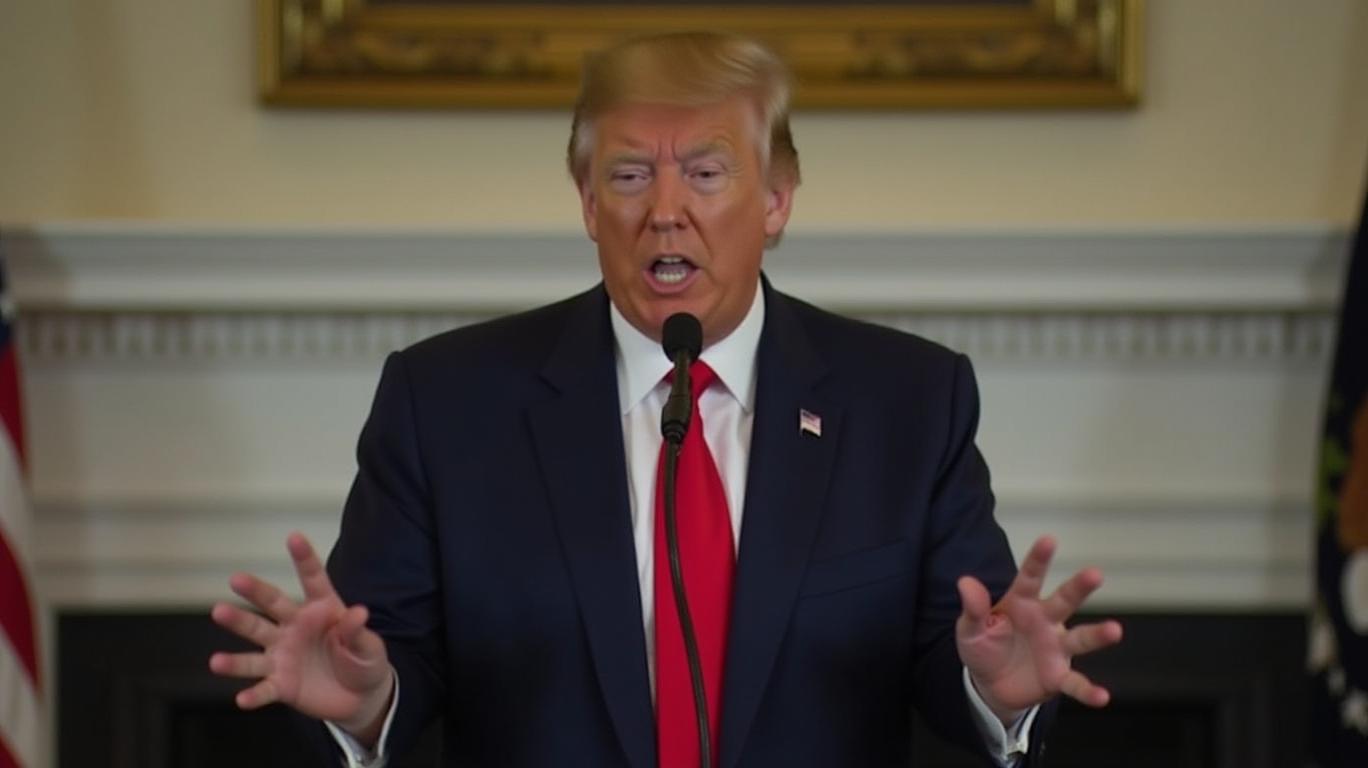

Stay ahead of the market.
Get curated U.S. market news, insights and key dates delivered to your inbox.






Comments
No comments yet