
Trump Urges Congress to Fast-Track Stablecoin Legislation
President Donald Trump has urged Congress to accelerate the passage of stablecoin legislation, marking a pivotal moment in the regulatory landscape of digital assets. This call to action is part of a larger initiative to create a comprehensive regulatory framework that promotes innovation while safeguarding consumer interests and maintaining financial stability.
House Majority Whip Rep. Tom Emmer, R-Minn., has pledged to prioritize the completion of stablecoin and crypto market structureGPCR-- legislation by the August recess. Emmer, speaking at a digital asset summit, affirmed his commitment to Trump's request, underscoring the urgency and importance of this legislative effort. This pledge follows Trump's executive order that prohibits central bank digital currencies and initiates a review of crypto policy.
The Senate has made notable progress with the Guiding and Establishing National Innovation in U.S. Stablecoins (GENIUS) Act, which was approved by the Senate Banking Committee in a bipartisan vote. The bill includes amendments requested by the banking industry, such as maintaining the status quo on Federal Reserve master account access. However, other amendments addressing industry concerns were blocked due to Republican opposition, highlighting the complexities and challenges in reaching a consensus on stablecoin regulation.
Banks have voiced concerns about the potential impact of stablecoin legislation. Some industry stakeholders argue that legislation like the GENIUS Act could disrupt traditional banking by allowing tech companies to issue stablecoins, which function similarly to bank deposits. Widespread use of these digital assets could draw traditional deposits away from banks, reducing the funds they can circulate. The American Bankers Association has warned that payment stablecoins could threaten the primary role of banks as financial intermediaries, raising concerns about the stability of the traditional banking system.
Emmer also emphasized the need to prevent overreach by regulatory agencies such as the Securities and Exchange Commission (SEC) and the Federal Reserve. He stressed that without explicit jurisdiction baked into the law, these agencies could claim authority over certain digital assets, leading to regulatory overreach and uncertainty for businesses. Emmer's concern is that businesses may have to navigate through multiple regulators to determine if they can operate in the digital asset space, creating a complex and burdensome regulatory environment.
The House passed a bill known as the Financial Innovation and Technology for the 21st Century Act in May, which raised concerns from some Democrats. The bill would shift oversight of certain digital assets from the SEC to the Commodity Futures Trading Commission, which has a lighter regulatory touch. Policy experts have warned that large institutions could exploit the bill's decentralization criteria to bypass securities laws, potentially exposing consumers to risk and creating financial stability concerns. This highlights the delicate balance between fostering innovation and ensuring consumer protection in the digital asset space.
Emmer highlighted Trump's evolving stance on digital assets, crediting the president with signing an executive order prohibiting central bank digital currencies and initiating a review of crypto policy. He also announced the formation of the Congressional Crypto Caucus, co-chaired with Rep. Ritchie Torres, D-N.Y., aiming to bring bipartisan lawmakers together in supporting digital assets. The caucus will serve as an advocacy group, voting for crypto-favorable policies while blocking restrictive legislation, indicating a growing bipartisan support for digital assets in Congress.
Emmer's commitment to passing stablecoin legislation by August reflects a growing legislative momentum in Washington. The formation of the Congressional Crypto Caucus and the bipartisan support for the GENIUS Act indicate a shift in the political landscape towards greater acceptance and regulation of digital assets. This development is expected to foster innovation in the digital asset space while ensuring consumer protection and financial stability, marking a significant step forward in the regulatory framework for digital assets. 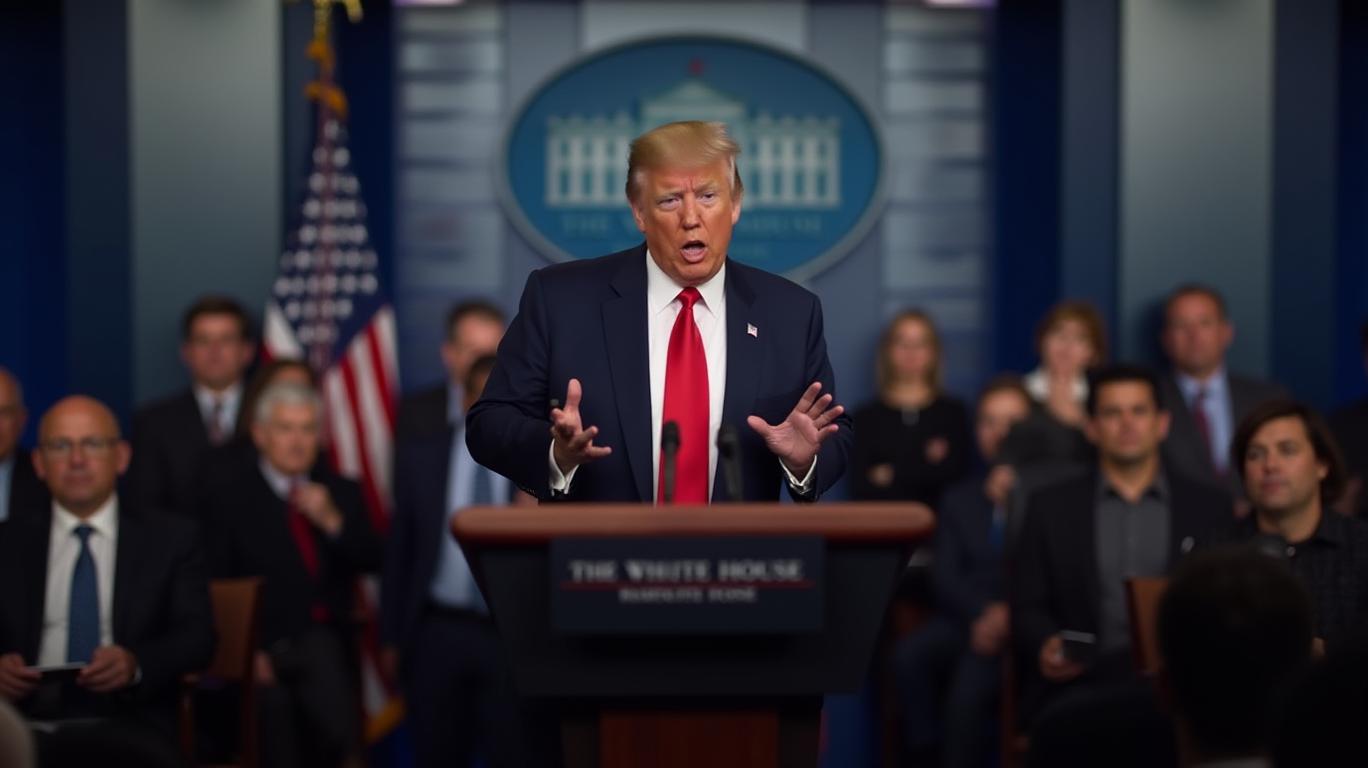

Comprender rápidamente la historia y el fundamento de varias monedas conocidas
Latest Articles
Stay ahead of the market.
Get curated U.S. market news, insights and key dates delivered to your inbox.


AInvest
PRO
AInvest
PRO



Comments
No comments yet