
Trump Urges Apple to Halt India Expansion, Citing Tariff Barriers
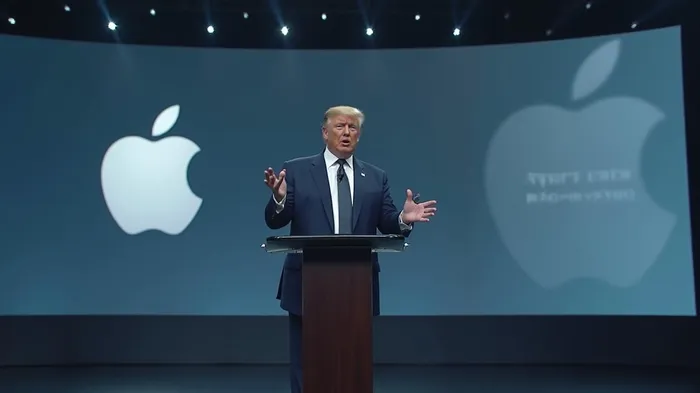
Former U.S. President Donald Trump, during a diplomatic visit to Qatar, expressed his concerns about Apple’s manufacturing strategies. In a statement on May 15th, Trump urged AppleAAPL-- CEO TimTIMB-- Cook to reconsider the company’s plans to expand its manufacturing operations in India. Trump disclosed that he had recently discussed Apple’s intentions to establish factories in the region with Cook, emphasizing his preference for Apple to focus on increasing production capabilities within the United States instead.
Trump highlighted the significant tariff barriers that American companies face when trying to enter the Indian market. Despite these challenges, he acknowledged India’s willingness to negotiate and potentially reduce tariffs to foster a trade agreement that benefits American products. This development underscores the intricate relationship between trade policies and global supply chains, which could reshape the dynamics of international trade and manufacturing for tech giants like Apple.
Trump’s directive to halt Apple’s expansion in India comes as part of ongoing trade negotiations between the U.S. and India. He cited India’s high tariff barriers as a major obstacle for American products, which has significant implications for Apple’s global manufacturing strategy. The tech giant has been actively shifting its production away from China due to various factors, including harsh Covid-19 lockdowns, tariffs imposed by the Trump administration, and geopolitical tensions between the U.S. and China. Apple’s plans to import most of the iPhones it sells in the U.S. from India by the end of next year are now in jeopardy due to Trump’s intervention.
India has become a crucial manufacturing hub for Apple, with the majority of India-made iPhones assembled at Foxconn Technology Group’s factory in southern India. Tata Group’s electronics manufacturing arm and Pegatron Corp. are also significant suppliers in the region. These companies have been expanding their production capacities in India, aligning with Apple's strategy to mitigate risks associated with tariffs and geopolitical issues.
Trump’s remarks also shed light on the complex nature of trade negotiations between the U.S. and India. Despite the challenges posed by India's tariff barriers, Trump mentioned that India has made an offer to drop tariffs on U.S. goods as part of an agreement on import taxes. This suggests that trade discussions between the two nations are ongoing, with potential for further negotiations and concessions.
The U.S. president's intervention in Apple's manufacturing plans underscores the broader geopolitical dynamics at play. As the world's second-largest economy, China has long been a critical manufacturing base for Apple. However, the escalating tensions between the U.S. and China have prompted Apple to explore alternative production locations, with India being a prime candidate. Trump's directive to halt Apple's expansion in India reflects the U.S. administration's efforts to influence global supply chains and protect American economic interests.
In response to Trump's urging, Apple is reportedly considering increasing its production in the United States. This shift could have significant implications for the U.S. economy, potentially creating new jobs and boosting domestic manufacturing. However, it remains to be seen how Apple will balance its global production strategy in light of Trump's intervention and the ongoing trade negotiations with India.
The situation highlights the delicate balance that multinational corporations must strike between geopolitical considerations and economic realities. As trade tensions continue to evolve, companies like Apple will need to adapt their strategies to navigate the complex landscape of global manufacturing and trade. The outcome of these negotiations will have far-reaching implications for the tech industry and the broader economy, shaping the future of international trade and supply chain management.

Stay ahead of the market.
Get curated U.S. market news, insights and key dates delivered to your inbox.
AInvest
PRO
AInvest
PRO



Comments
No comments yet