
Trump Unveils Reciprocal Tariffs: A New Front in Trade War
President Donald Trump announced on Thursday that the United States will impose reciprocal tariffs on a range of imported goods, aiming to boost the American economy and create jobs. The move comes as part of the administration's "America First" policy, which seeks to protect domestic industries and promote U.S. interests in global trade.
The new tariffs, which will target products from countries that have imposed duties on U.S. goods, are expected to take effect in the coming weeks. The White House has not yet specified which countries or products will be affected, but officials have hinted that the measures will focus on industries where the U.S. has a competitive advantage.
The announcement follows a series of trade actions taken by the Trump administration in recent months, including the imposition of tariffs on steel and aluminum imports, as well as the renegotiation of the North American Free Trade Agreement (NAFTA). The administration has argued that these measures are necessary to address unfair trade practices and level the playing field for American workers and businesses.
However, the reciprocal tariffs have been criticized by some economists and trade experts, who argue that they could lead to higher prices for consumers and retaliation from other countries. They also warn that the measures could disrupt global supply chains and harm U.S. exports.
In response to the announcement, stock markets initially fell, but later recovered as investors digested the news. The Dow Jones Industrial Average closed down 0.2%, while the S&P 500 and Nasdaq Composite indexes both ended the day in positive territory.
The U.S. dollar also strengthened against a basket of currencies, as investors sought safe-haven assets amid the uncertainty surrounding the trade measures. The yield on the 10-year Treasury note fell slightly, reflecting a flight to quality.
The reciprocal tariffs are the latest in a series of trade actions taken by the Trump administration, which has sought to renegotiate trade agreements and challenge what it sees as unfair practices by other countries. The administration has also imposed tariffs on goods from China, the European Union, and other trading partners, sparking a wave of retaliation and raising concerns about a global trade war.
The impact of the reciprocal tariffs on the U.S. economy remains to be seen, but the administration has expressed confidence that the measures will boost growth and create jobs. The White House has also argued that the tariffs will help to reduce the U.S. 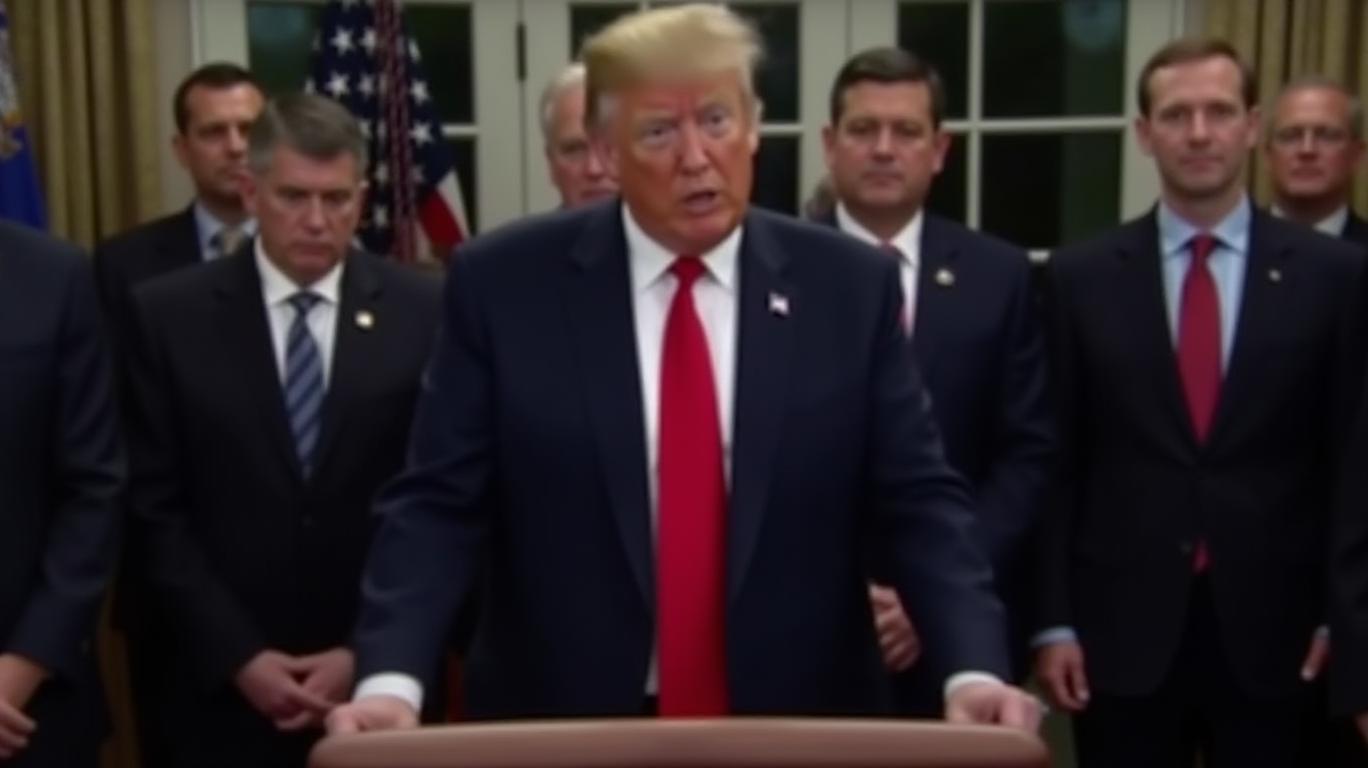

Stay ahead of the market.
Get curated U.S. market news, insights and key dates delivered to your inbox.






Comments
No comments yet