
Trump Unveils Flexible Reciprocal Tariffs Amid Trade Tensions
President Donald Trump has unveiled a new tariff strategy, introducing flexible tariffs with reciprocal terms. This development is part of his administration's evolving trade policy, which has seen notable changes and escalations in recent times. The announcement follows a period marked by increased trade tensions, with the U.S. imposing tariffs on several nations, including Canada, Mexico, and China.
The new tariff policy is designed to foster a more equitableEQH-- trade environment by implementing reciprocal tariffs. This approach involves the U.S. adjusting its tariffs in response to those imposed by other countries, aiming to create a level playing field for American industriesAIG--. The flexibility of these tariffs allows for adjustments based on the actions of trading partners, offering a dynamic framework for trade negotiations.
Reactions to the announcement have been mixed. Some industries and lawmakers have endorsed the reciprocal tariff approach, viewing it as a means to protect domestic industries. Conversely, others have expressed concerns about potential retaliatory measures and the impact on consumer prices. The European Union, for example, has delayed implementing its first set of retaliatory tariffs against the U.S., indicating a cautious stance towards the escalating trade tensions.
Trump's trade strategy has been a cornerstone of his administration, with a strong focus on safeguarding American industries and workers. The introduction of flexible tariffs with reciprocal terms is seen as an extension of this strategy, aimed at addressing perceived imbalances in trade relationships. However, the success of this approach remains uncertain and will depend on the responses of other countries and the broader economic implications.
The announcement of flexible tariffs with reciprocal terms is part of a larger effort by the Trump administration to reshape U.S. trade policy. This includes the dismantling of various federal agencies and programs, as well as the implementation of executive orders aimed at reducing federal spending and increasing efficiency. The administration's actions have garnered both support and criticism, with some applauding the efforts to streamline government operations and others expressing concern about the potential impact on public services and the economy.
As the trade landscape continues to evolve, the flexible tariffs with reciprocal terms represent a significant shift in U.S. trade policy. The coming months will be pivotal in determining the effectiveness of this approach and its impact on global trade dynamics. The administration's strategy will be closely watched by stakeholders worldwide, as it navigates the complexities of international trade and seeks to achieve its goals of a more balanced and reciprocal trade environment. 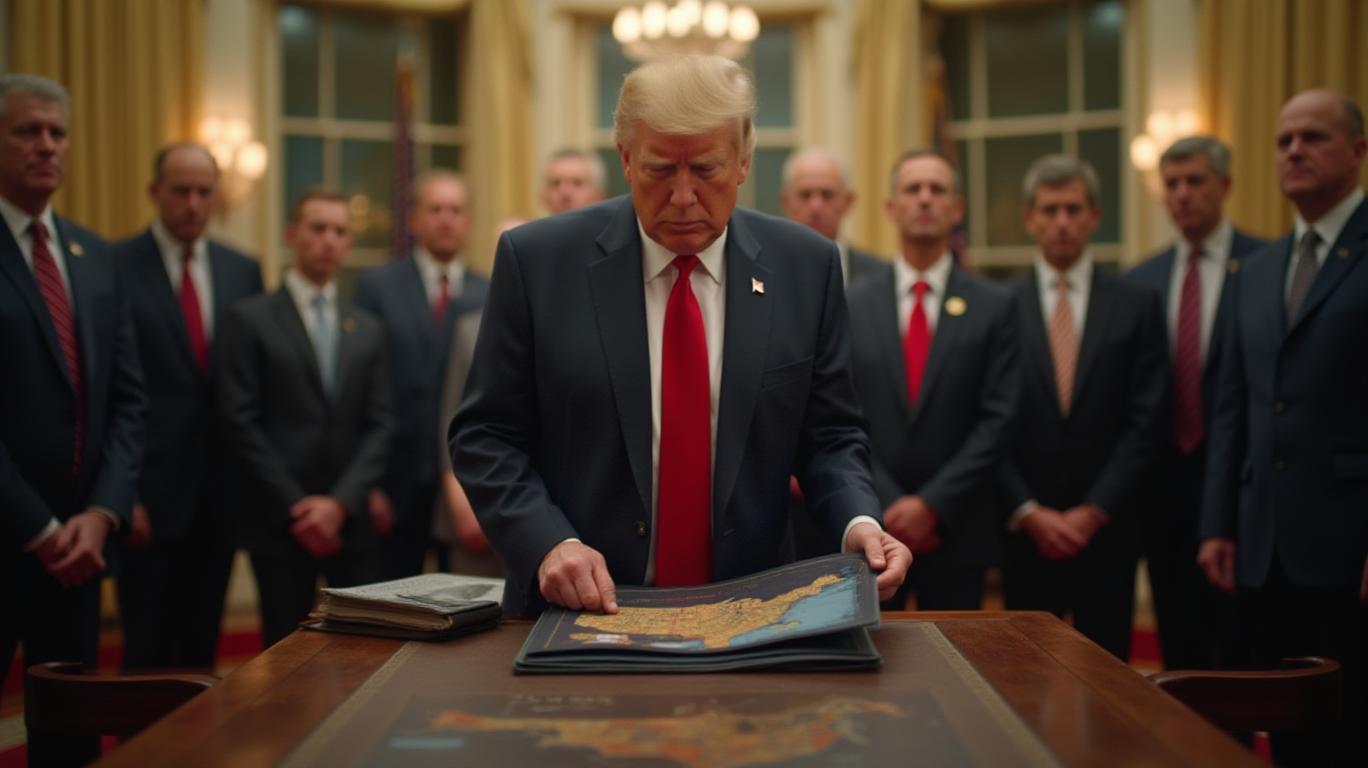

Stay ahead of the market.
Get curated U.S. market news, insights and key dates delivered to your inbox.






Comments
No comments yet