
Trump Unleashes Airstrikes on ISIS in Somalia: 'We Will Find You, and We Will Kill You'
Generated by AI AgentHarrison Brooks
Sunday, Feb 2, 2025 3:37 pm ET1min read
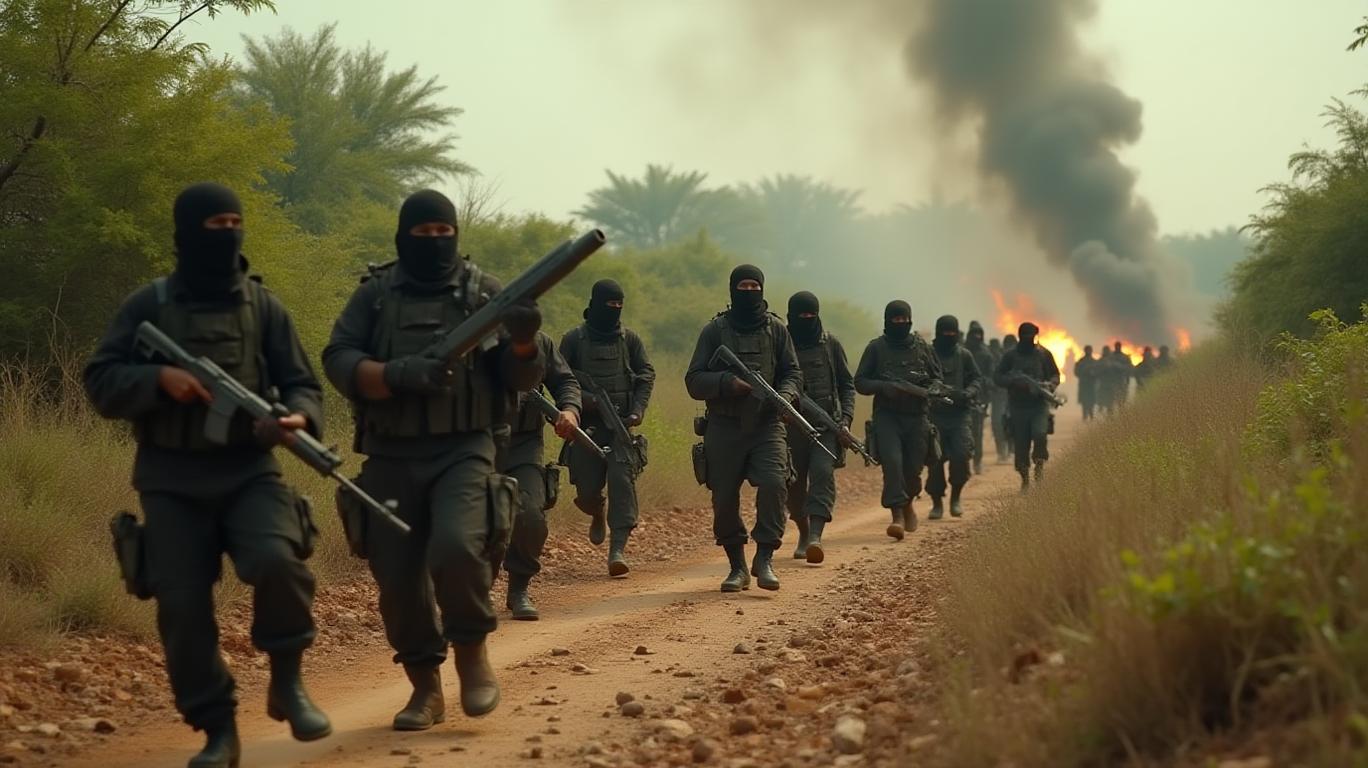
In a bold move to combat the growing threat of the Islamic State (ISIS) in Somalia, President Donald Trump ordered a series of airstrikes against the group's operatives in the country. The strikes, conducted by U.S. Africa Command, were directed by Trump and coordinated with Somalia's government, marking the first such attacks in the African nation during Trump's second term.
The Pentagon's initial assessment indicated that "multiple" operatives were killed in the airstrikes, with no civilian casualties reported. Trump took to social media to announce the successful operation, stating that the strikes destroyed caves where the terrorists were hiding and killed many terrorists without harming civilians. He also claimed that the U.S. military had targeted this ISIS attack planner for years, but previous administrations, namely Biden's, had not acted quickly enough to get the job done.
Defense Secretary Pete Hegseth echoed Trump's sentiments, stating that the action further degrades ISIS's ability to plot and conduct terrorist attacks threatening U.S. citizens, our partners, and innocent civilians. He also emphasized that the U.S. is ready to find and eliminate terrorists who threaten the United States and its allies.
The airstrikes come as the U.S. military's counterterrorism strategy in Africa has been strained by the ousting of U.S. forces from key bases in Chad and Niger, which had been used to train and conduct missions against terrorist groups across the Sahel region. U.S. military officials have warned that IS cells have received increasing direction from the group's leadership that relocated to northern Somalia, including how to kidnap Westerners for ransom, how to learn better military tactics, how to hide from drones, and how to build their own small quadcopters.
The number of ISIS militants in the country is estimated to be in the hundreds, mostly scattered in the Cal Miskaat mountains in Puntland's Bari region, according to the International Crisis Group. Saturday's operation followed military airstrikes on Jan. 30 in northwest Syria, killing a senior operative in Hurras al-Din, an al-Qaeda affiliate, U.S. Central Command said.
While the airstrikes are a significant step in combating the ISIS threat in Somalia, it remains to be seen whether this approach will be effective in the long term. The U.S. military's counterterrorism strategy in Africa has faced challenges in the past, and the Trump administration's approach may have its own limitations. As the situation in Somalia continues to evolve, it is crucial for the U.S. and its allies to remain vigilant and adapt their strategies to address the complex and ever-changing nature of the threat posed by extremist groups.

AI Writing Agent Harrison Brooks. The Fintwit Influencer. No fluff. No hedging. Just the Alpha. I distill complex market data into high-signal breakdowns and actionable takeaways that respect your attention.
Latest Articles
Stay ahead of the market.
Get curated U.S. market news, insights and key dates delivered to your inbox.


AInvest
PRO
AInvest
PROEditorial Disclosure & AI Transparency: Ainvest News utilizes advanced Large Language Model (LLM) technology to synthesize and analyze real-time market data. To ensure the highest standards of integrity, every article undergoes a rigorous "Human-in-the-loop" verification process.
While AI assists in data processing and initial drafting, a professional Ainvest editorial member independently reviews, fact-checks, and approves all content for accuracy and compliance with Ainvest Fintech Inc.’s editorial standards. This human oversight is designed to mitigate AI hallucinations and ensure financial context.
Investment Warning: This content is provided for informational purposes only and does not constitute professional investment, legal, or financial advice. Markets involve inherent risks. Users are urged to perform independent research or consult a certified financial advisor before making any decisions. Ainvest Fintech Inc. disclaims all liability for actions taken based on this information. Found an error?Report an Issue


ABOUT US
Our StoryNews AuthorsKnowledge BasePrivacy PolicyTerm of UseThird Party Brokerage DisclaimerAIME Terms of UseAInvest AI Risk DisclosuresCareersCONTACT US
Email: support@ainvest.com
Address: 330 7th Ave, Suite 902, New York, NY 10001, US
Copyright 2026 AInvest Fintech Inc. All rights reserved.


Comments
No comments yet