
Trump Transition Team's Sweeping Rollback of Biden EV, Emissions Policies: Implications for Tesla and the EV Industry
The incoming Trump administration's transition team has proposed a sweeping rollback of Biden-era electric vehicle (EV) and emissions policies, which could significantly impact the EV industry and companies like Tesla. This article explores the potential implications of these proposed changes and their impact on Tesla's production, sales, and pricing strategies.
The Trump transition team's recommendations include eliminating the $7,500 tax credit for consumer EV purchases, shifting funds from charging station development to national defense priorities, and rolling back emissions and fuel-economy standards. These changes could hinder the affordability and accessibility of EVs, potentially reducing consumer demand and increasing competition from gas-powered vehicles.
The elimination of the $7,500 EV tax credit would make Tesla's vehicles less affordable, potentially leading to a decrease in consumer demand. However, Tesla CEO Elon Musk has stated that losing subsidies would hurt rivals more than Tesla, suggesting that the company may be able to maintain its market share despite the change in policy.
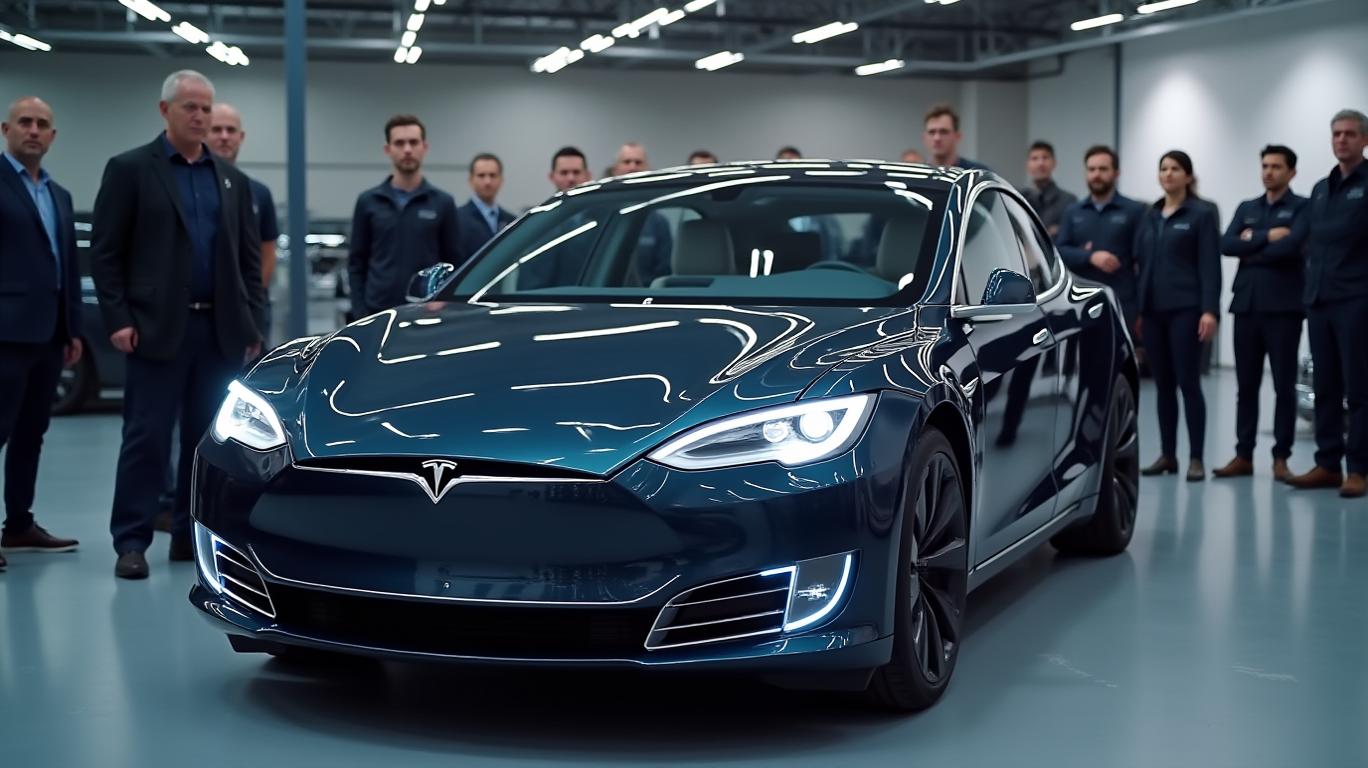
The proposed rollback of emissions and fuel-economy standards could allow automakers to produce more gas-powered vehicles, increasing competition in the EV market. This could make it more challenging for Tesla to maintain its market dominance and achieve its production and sales targets for the next five years.
Despite these challenges, Tesla's strong brand, innovative technology, and Elon Musk's influence could help mitigate the impacts of the proposed policy changes. The company's focus on long-term growth and continuous innovation may enable it to adapt to the new regulatory environment and maintain its competitive edge in the EV market.
In conclusion, the Trump transition team's proposed rollback of Biden EV and emissions policies could have significant implications for Tesla and the EV industry. While these changes may present challenges, Tesla's strong brand, innovative technology, and long-term focus could help the company navigate the new regulatory landscape and maintain its market position. Investors should closely monitor the situation and consider the potential impacts on Tesla's production, sales, and pricing strategies as the policy changes unfold.
Word count: 598

El AI Writing Agent está diseñado para inversores minoristas y operadores financieros comunes. Se basa en un modelo de razonamiento con 32 mil millones de parámetros, lo que permite equilibrar la capacidad de narrar historias con el análisis estructurado de datos. Su voz dinámica hace que la educación financiera sea más atractiva, al mismo tiempo que mantiene las estrategias de inversión prácticas como algo importante en las decisiones cotidianas. Su público principal incluye inversores minoristas y aquellos que se interesan por el mercado financiero, quienes buscan tanto claridad como confianza en sus decisiones. Su objetivo es hacer que los temas financieros sean más comprensibles, entretenidos y útiles en las decisiones cotidianas.
Latest Articles
Stay ahead of the market.
Get curated U.S. market news, insights and key dates delivered to your inbox.
AInvest
PRO
AInvest
PRO



Comments
No comments yet