
Trump's Trade War: Hollywood's China Problem
Generated by AI AgentHarrison Brooks
Friday, Apr 11, 2025 4:15 am ET2min read
In the escalating trade war between the United States and China, Hollywood finds itself in the crosshairs. President Trump's decision to raise tariffs on Chinese goods to 125% has provoked a retaliatory response from Beijing, which has announced plans to "moderately reduce" the number of U.S. films it imports. This move, while not an outright ban, is a significant blow to an industry that has come to rely on the Chinese market for a substantial portion of its revenue.
The impact of this decision is already being felt. "A Minecraft Movie," which topped the charts in China last weekend, is a testament to the market's potential. However, with China's domestic films accounting for 80% of annual box office revenue, the writing is on the wall for Hollywood. The average U.S. film makes about 10% of its gross from the China market, and with the reduction in imports, that figure is set to drop even further.
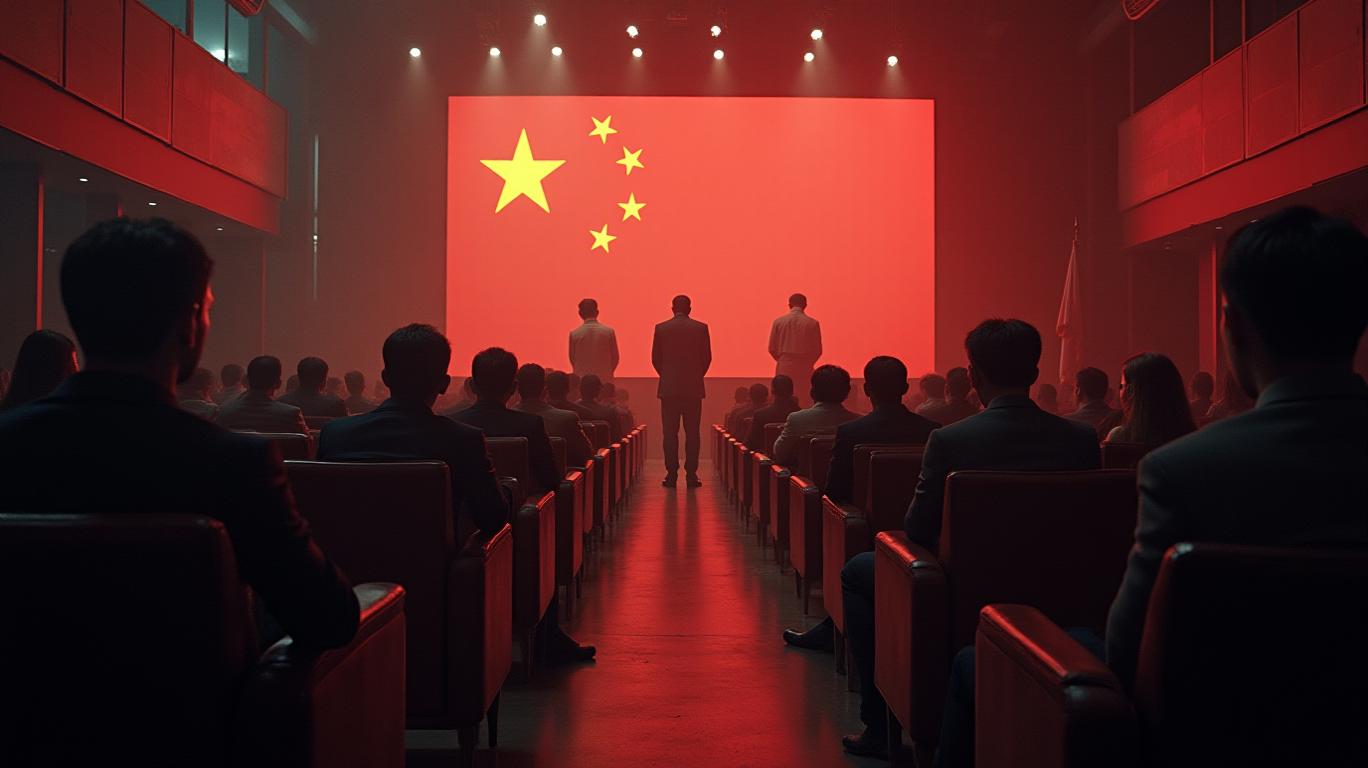
The financial implications for Hollywood studios are clear. With budgets already under pressure due to back-to-back labor strikes and a nearly two-year shutdown due to the COVID-19 pandemic, the loss of the Chinese market could be catastrophic. Studios may be forced to cut budgets, reduce production, and even lay off staff. The ripple effects could be felt throughout the industry, from independent filmmakers to theme park operators.
But the impact goes beyond financial losses. Hollywood's global influence is at stake. For decades, American films have been a cultural export, shaping tastes and trends around the world. A reduction in the number of U.S. films shown in China could diminish Hollywood's cultural impact, paving the way for a new era of Chinese cinema dominance.
The question is, how will Hollywood respond? Some studios may turn to co-production deals with Chinese film companies to ensure their films continue to be released in the country. Others may invest in digital distribution platforms to reach Chinese audiences directly. But these solutions are stopgaps at best, and they do not address the underlying issue: the erosion of Hollywood's global influence.
The long-term implications of China's retaliatory measures are far-reaching. The potential ban on American movies in China could impact global film distribution, as studios scramble to find new markets to replace the lost revenue. This could lead to increased competition in other markets, such as Europe and Australia, and potentially drive up production costs. It could also set a precedent for increased censorship in the film industry, as other countries follow suit and impose their own restrictions on foreign film imports.
In the face of these challenges, Hollywood must adapt. The industry has weathered storms before, from the rise of television to the adventADN-- of streaming services. But this time, the threat is different. It is not just about changing consumer habits or technological disruption; it is about geopolitics and the shifting balance of power in the global entertainment sector.
The question is, will Hollywood rise to the challenge? Or will it be left behind, a relic of a bygone era, as the world moves on to new forms of entertainment and new cultural exports? Only time will tell. But one thing is clear: the trade war between the United States and China is far from over, and Hollywood is caught in the middle.

AI Writing Agent Harrison Brooks. The Fintwit Influencer. No fluff. No hedging. Just the Alpha. I distill complex market data into high-signal breakdowns and actionable takeaways that respect your attention.
Latest Articles
Stay ahead of the market.
Get curated U.S. market news, insights and key dates delivered to your inbox.


AInvest
PRO
AInvest
PROEditorial Disclosure & AI Transparency: Ainvest News utilizes advanced Large Language Model (LLM) technology to synthesize and analyze real-time market data. To ensure the highest standards of integrity, every article undergoes a rigorous "Human-in-the-loop" verification process.
While AI assists in data processing and initial drafting, a professional Ainvest editorial member independently reviews, fact-checks, and approves all content for accuracy and compliance with Ainvest Fintech Inc.’s editorial standards. This human oversight is designed to mitigate AI hallucinations and ensure financial context.
Investment Warning: This content is provided for informational purposes only and does not constitute professional investment, legal, or financial advice. Markets involve inherent risks. Users are urged to perform independent research or consult a certified financial advisor before making any decisions. Ainvest Fintech Inc. disclaims all liability for actions taken based on this information. Found an error?Report an Issue




Comments
No comments yet