
Trump's Trade and Immigration Policies Prolong Inflation, Deepen Affordability Crisis


 Aime Summary
The U.S. affordability crisis is deepening as President Donald Trump's trade and immigration policies push inflation higher, warns Mark Zandi, chief economist at Moody's Analytics. With consumer price inflation near 3%, Zandi argues that "it didn't have to be this way," had Trump not imposed sweeping tariffs and tightened immigration controls, which have disrupted global supply chains and labor markets according to the analysis.
Recent data from the Congressional Budget Office (CBO) underscores this trend, revising its estimate of deficit reduction from Trump's tariffs downward to $3 trillion by 2035, down from $4 trillion in August. The CBO attributed the revision to new data and legal challenges, including federal court rulings questioning the administration's authority to impose tariffs. Meanwhile, the Treasury Department's Scott Bessent dismissed inflation concerns, claiming prices are "under control" and attributing inflation to services, not tariffs.
Tariff adjustments, however, suggest otherwise. Trump recently removed duties on Brazilian agricultural imports, like beef and coffee, a move aimed at easing food costs amid public frustration. Similarly, India agreed to import 10% of its liquefied petroleum gas from the U.S. to avoid potential 500% tariffs on Indian goods, highlighting how countries are adapting to Trump's trade agenda. 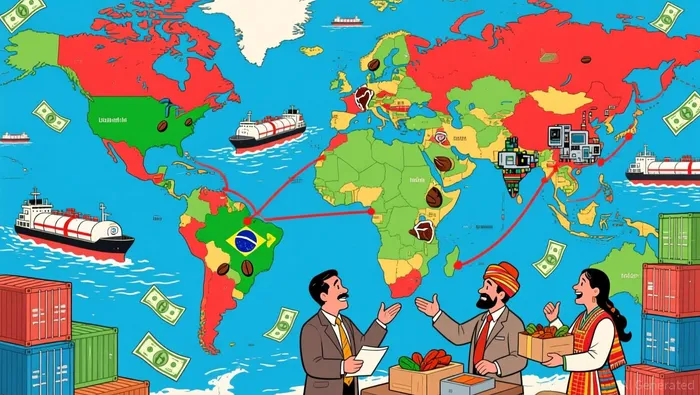 Despite these tweaks, Zandi's analysis shows inflation remains stubbornly high, with tariffs and immigration restrictions likely to keep prices elevated beyond 2026 according to the report.
Immigration enforcement has further exacerbated economic strain. Federal operations in cities like Charlotte, North Carolina, and ongoing legal battles over deportation policies have heightened uncertainty in labor markets according to the report. Rep. Buddy Carter (R-Ga.) has called for expanded federal presence in Atlanta, citing "over half a million illegal immigrants" in the state, while immigrant advocates warn of community destabilization. Zandi linked restrictive immigration policies to reduced labor supply, which could slow wage growth and prolong affordability struggles for low- and middle-income households.
The Federal Reserve faces a delicate balancing act. While September's nonfarm payrolls and manufacturing data suggest a resilient economy, inflation remains above the Fed's 2% target according to economic data. Chair Jerome Powell has signaled caution on rate cuts, reflecting concerns that Trump's policies could complicate efforts to curb price pressures.
Public sentiment mirrors these challenges. A University of Michigan survey found consumer sentiment plummeted to 51 in November, a near-record low, as households grapple with rising costs for groceries, housing, and healthcare according to the survey. Political backlash is mounting, with Democrats capitalizing on affordability issues in recent elections. Treasury Secretary Bessent, however, remains optimistic, citing tax cuts and lower energy prices as catalysts for 2026 growth according to the analysis.
As the administration navigates these pressures, the path to economic stability remains uncertain. Zandi's warning-that inflation and affordability struggles are here to stay-resonates with a public increasingly skeptical of official narratives according to the report.

Stay ahead of the market.
Get curated U.S. market news, insights and key dates delivered to your inbox.


AInvest
PRO
AInvest
PRO



Comments
No comments yet