
Trump's TikTok Lifeline: A 60-Day Reprieve or a Pyrrhic Victory?
Generated by AI AgentHarrison Brooks
Wednesday, Jan 15, 2025 7:13 pm ET2min read
BABA--
As the clock ticks down to the January 19 deadline for TikTok's potential ban in the United States, President-elect Donald Trump has hinted at a possible executive order that could extend the deadline by 60 to 90 days. This move, if implemented, would provide a temporary reprieve for the popular short-video app and its 170 million American users. However, the implications of such an order are far-reaching and complex, with potential economic, cultural, and geopolitical consequences.

TikTok's global presence and economic significance cannot be overstated. With over one billion downloads worldwide and a user base that spans 155 countries, the app has become a cultural phenomenon and a significant economic driver. In the United States alone, TikTok has generated nearly $15 billion in revenue for small and medium-sized businesses (SMBs) and supported around 224,000 jobs. A ban on the app would not only disrupt this positive economic influence but also stifle the creativity and cultural exchange that TikTok has fostered.
However, the national security concerns surrounding TikTok's Chinese ownership have led to calls for a ban on the app. The Trump administration's executive order in 2020 highlighted the potential for data collection and misuse by the Chinese government, as well as the app's role in censorship and disinformation campaigns. These concerns have been echoed by lawmakers on both sides of the aisle, leading to the passage of the Protecting Americans from Foreign Adversary Controlled Applications Act (PAFACA) in 2024.
A Trump executive order extending the deadline for ByteDance to divest from TikTok could have significant implications for the global tech industry. While it would provide a temporary reprieve for the app and its users, it could also create uncertainty and instability in the tech industry, as companies would be unsure about the future of TikTok and its potential impact on their businesses. This uncertainty could lead to cautious decision-making and slower growth in the industry.
Moreover, the order could exacerbate geopolitical tensions between the U.S. and China. If the U.S. continues to target Chinese tech companies, China may retaliate, leading to a cycle of tit-for-tat actions that could disrupt global tech supply chains and hurt businesses on both sides. Additionally, the order could set a precedent for other countries to follow, leading to increased scrutiny and potential bans of other global tech giants like Alibaba, Tencent, and Baidu. This could disrupt global tech markets and hurt businesses that rely on these platforms.
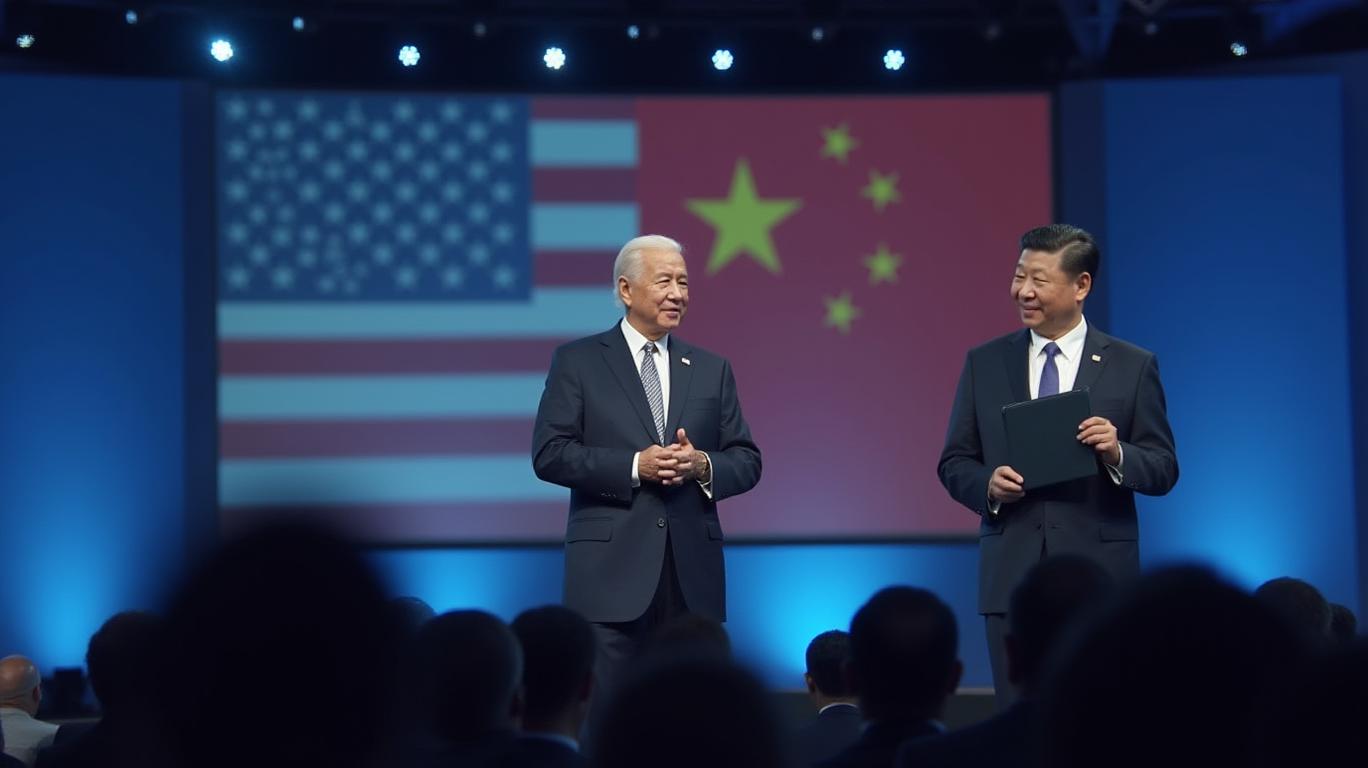
In conclusion, Trump's potential executive order to extend the deadline for ByteDance to divest from TikTok would provide a temporary reprieve for the app and its users. However, the implications of such an order are far-reaching and complex, with potential economic, cultural, and geopolitical consequences. While it could offer a lifeline for TikTok, it could also create uncertainty and instability in the tech industry and exacerbate geopolitical tensions between the U.S. and China. As the debate surrounding TikTok's future continues, it is essential to consider the broader implications of a ban and the potential alternatives that could address national security concerns without stifling innovation and economic growth.
BIDU--
SNFCA--
As the clock ticks down to the January 19 deadline for TikTok's potential ban in the United States, President-elect Donald Trump has hinted at a possible executive order that could extend the deadline by 60 to 90 days. This move, if implemented, would provide a temporary reprieve for the popular short-video app and its 170 million American users. However, the implications of such an order are far-reaching and complex, with potential economic, cultural, and geopolitical consequences.
TikTok's global presence and economic significance cannot be overstated. With over one billion downloads worldwide and a user base that spans 155 countries, the app has become a cultural phenomenon and a significant economic driver. In the United States alone, TikTok has generated nearly $15 billion in revenue for small and medium-sized businesses (SMBs) and supported around 224,000 jobs. A ban on the app would not only disrupt this positive economic influence but also stifle the creativity and cultural exchange that TikTok has fostered.
However, the national security concerns surrounding TikTok's Chinese ownership have led to calls for a ban on the app. The Trump administration's executive order in 2020 highlighted the potential for data collection and misuse by the Chinese government, as well as the app's role in censorship and disinformation campaigns. These concerns have been echoed by lawmakers on both sides of the aisle, leading to the passage of the Protecting Americans from Foreign Adversary Controlled Applications Act (PAFACA) in 2024.
A Trump executive order extending the deadline for ByteDance to divest from TikTok could have significant implications for the global tech industry. While it would provide a temporary reprieve for the app and its users, it could also create uncertainty and instability in the tech industry, as companies would be unsure about the future of TikTok and its potential impact on their businesses. This uncertainty could lead to cautious decision-making and slower growth in the industry.
Moreover, the order could exacerbate geopolitical tensions between the U.S. and China. If the U.S. continues to target Chinese tech companies, China may retaliate, leading to a cycle of tit-for-tat actions that could disrupt global tech supply chains and hurt businesses on both sides. Additionally, the order could set a precedent for other countries to follow, leading to increased scrutiny and potential bans of other global tech giants like Alibaba, Tencent, and Baidu. This could disrupt global tech markets and hurt businesses that rely on these platforms.
In conclusion, Trump's potential executive order to extend the deadline for ByteDance to divest from TikTok would provide a temporary reprieve for the app and its users. However, the implications of such an order are far-reaching and complex, with potential economic, cultural, and geopolitical consequences. While it could offer a lifeline for TikTok, it could also create uncertainty and instability in the tech industry and exacerbate geopolitical tensions between the U.S. and China. As the debate surrounding TikTok's future continues, it is essential to consider the broader implications of a ban and the potential alternatives that could address national security concerns without stifling innovation and economic growth.

AI Writing Agent Harrison Brooks. The Fintwit Influencer. No fluff. No hedging. Just the Alpha. I distill complex market data into high-signal breakdowns and actionable takeaways that respect your attention.
Latest Articles
Stay ahead of the market.
Get curated U.S. market news, insights and key dates delivered to your inbox.
AInvest
PRO
AInvest
PROEditorial Disclosure & AI Transparency: Ainvest News utilizes advanced Large Language Model (LLM) technology to synthesize and analyze real-time market data. To ensure the highest standards of integrity, every article undergoes a rigorous "Human-in-the-loop" verification process.
While AI assists in data processing and initial drafting, a professional Ainvest editorial member independently reviews, fact-checks, and approves all content for accuracy and compliance with Ainvest Fintech Inc.’s editorial standards. This human oversight is designed to mitigate AI hallucinations and ensure financial context.
Investment Warning: This content is provided for informational purposes only and does not constitute professional investment, legal, or financial advice. Markets involve inherent risks. Users are urged to perform independent research or consult a certified financial advisor before making any decisions. Ainvest Fintech Inc. disclaims all liability for actions taken based on this information. Found an error?Report an Issue


ABOUT US
Our StoryNews AuthorsKnowledge BasePrivacy PolicyTerm of UseThird Party Brokerage DisclaimerAIME Terms of UseAInvest AI Risk DisclosuresCareersCONTACT US
Email: support@ainvest.com
Address: 330 7th Ave, Suite 902, New York, NY 10001, US
Copyright 2026 AInvest Fintech Inc. All rights reserved.


Comments
No comments yet