
Trump Threatens 25% Tariff on iPhones Not Made in U.S.
Donald Trump has issued a warning to Apple Inc.AAPL--, stating that if the company does not manufacture iPhones within the United States, it will face a 25% tariff on its products. This threat was communicated through Trump's social media platform, Truth Social, where he emphasized his desire for AppleAAPL-- to produce iPhones domestically rather than in countries like India.
Trump's message was clear: "I early notified Apple CEO TimTIMB-- Cook that I hope they will manufacture iPhones in the United States for sale in the United States, not in India or any other country. If this is not the case, Apple must pay at least a 25% tariff to the United States. Thank you for your attention to this matter!" This statement reflects Trump's long-standing stance on trade policies, which prioritize domestic manufacturing and reducing the U.S. trade deficit.
The potential impact of such a tariff on Apple is substantial. The iPhone is one of Apple's most lucrative products, and a 25% tariff could significantly increase the cost for U.S. consumers. This could lead to a decrease in demand, affecting Apple's revenue and market position. Additionally, the tariff could disrupt Apple's global supply chain, which relies heavily on manufacturing facilities in Asia.
Apple has not yet responded to Trump's threat, but the company has previously expressed concerns about the impact of tariffs on its business. In the past, Apple has lobbied against tariffs, arguing that they would harm both the company and U.S. consumers. The company has also indicated that it is exploring options to mitigate the impact of tariffs, including potentially shifting some of its manufacturing operations to other countries.
Trump's threat to Apple is part of a broader strategy that includes imposing tariffs on a wide range of goods from various countries. This approach has been characterized by unilateral actions and a willingness to use tariffs as a negotiating tool. The use of tariffs as a negotiating tool has been a contentious issue in international trade relations. Critics argue that tariffs can lead to retaliatory measures from other countries, escalating trade tensions and potentially harming the global economy. Supporters, however, contend that tariffs can be an effective way to protect domestic industries and bring jobs back to the United States.
Trump's administration has been vocal about reducing the U.S. trade deficit and bringing manufacturing jobs back to the United States. His approach has included imposing tariffs on a wide range of goods from China, including steel, aluminum, and consumer electronics. These tariffs have been met with retaliatory measures from China, leading to a trade war that has had significant economic implications for both countries.
In conclusion, Trump's threat to impose a 25% tariff on iPhones manufactured outside the United States is a bold move that could have far-reaching consequences for Apple and the global economy. While the company has not yet responded to the threat, it is clear that the potential impact of such a tariff would be significant. The broader implications of Trump's trade policies, including the use of tariffs as a negotiating tool, continue to be a subject of debate in international trade relations. 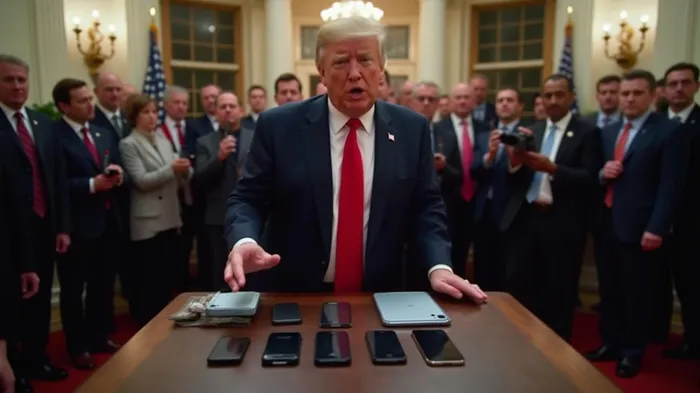

Stay ahead of the market.
Get curated U.S. market news, insights and key dates delivered to your inbox.




Comments
No comments yet