
Trump Threatens 25% Tariff on Non-US Made iPhones
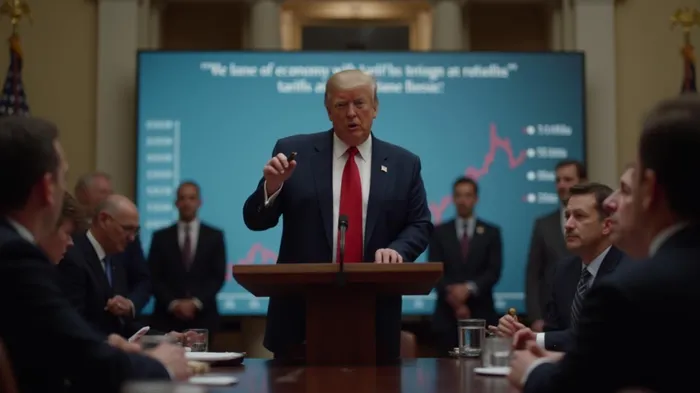
U.S. President Donald Trump has issued a warning to Apple Inc.AAPL--, stating that if iPhones sold in the U.S. are not manufactured domestically, they will face a tariff of at least 25%. This announcement is part of Trump's broader strategy to reduce the U.S. trade deficit and encourage domestic manufacturing. Trump has previously expressed his desire for AppleAAPL-- CEO TimTIMB-- Cook to produce iPhones in the U.S. rather than in countries like India or elsewhere.
This move is aligned with Trump's long-standing trade policy aimed at bringing manufacturing jobs back to the United States. The president has been vocal about his disapproval of companies outsourcing production to countries like China, asserting that it negatively impacts American workers and the economy. By imposing a 25% tariff on iPhones not made in the U.S., Trump aims to incentivize Apple to relocate its production facilities to American soil.
The potential impact of this tariff on Apple and the broader tech industry is substantial. The iPhone is one of the most popular and profitable products globally, and any disruption in its supply chain could have widespread repercussions. Apple has already made significant investments in its global supply chain, with manufacturing facilities in various countries. Shifting production to the U.S. would require considerable investment and could result in higher prices for consumers.
Furthermore, the tariff could have broader implications for the tech industry. Other companies that rely on global supply chains for their products may face similar pressures to bring manufacturing back to the U.S. This could lead to increased costs and potential disruptions in the supply of critical components.
The move also raises questions about the future of U.S.-China trade relations. China is a major manufacturing hub for many tech companies, and any disruption in this relationship could have significant economic consequences. The U.S. and China have been engaged in a trade war for several years, with both countries imposing tariffs on each other's goods. Trump's latest move could escalate tensions further and lead to retaliatory measures from China.
In response to Trump's warning, Apple has not yet commented on its plans. The company has a history of adapting to changing trade policies and may explore options such as negotiating with the U.S. government or finding alternative manufacturing locations. However, the potential for a 25% tariff on iPhones not made in the U.S. is a significant threat that could force Apple to reconsider its global strategy.
The situation underscores the complex interplay between trade policy, manufacturing, and global supply chains. As the U.S. continues to address its trade deficit and the impact of globalization, companies like Apple will need to navigate a rapidly changing landscape. The outcome of this standoff will have implications not only for Apple but for the entire tech industry and the broader economy.

Stay ahead of the market.
Get curated U.S. market news, insights and key dates delivered to your inbox.




Comments
No comments yet