
Trump's Tensions with Iran Spur Oil Price Volatility and Regional Geopolitical Concerns
 Aime Summary
Oil prices climbed in early trading Monday as President Donald Trump issued a 48-hour deadline for Iran to reopen the Strait of Hormuz. The critical shipping route, vital for global oil and liquefied natural gas shipments, has been effectively closed since late February, causing supply chain disruptions and price spikes. Trump warned of strikes against Iran's power infrastructure if the waterway remains blocked, prompting a rapid market response.
Iran responded by threatening to keep the Strait closed indefinitely unless its demands for compensation and security assurances are met. The standoff escalated tensions in the Gulf and raised global concerns over energy security. The International Energy Agency described the situation as the largest oil supply disruption in history, underscoring the fragility of the market outlook.
A partial reopening of the Strait was announced Tuesday, with Iran allowing ships from non-enemy states to pass. However, the partial access came with conditions, and uncertainty remains about the full restoration of oil traffic. The move coincided with Trump pausing his plan to strike Iran's power infrastructure, following warnings from Gulf allies about the risks of further escalation.
Why Did This Happen?
The recent escalation began when Trump issued an ultimatum for Iran to restore oil traffic through the Strait of Hormuz within 48 hours. The Strait, a vital chokepoint for global energy supplies, handles about one-fifth of the world's oil shipments. Trump's comments suggested a willingness to consider joint US-Iran control of the Strait if a deal is reached, but Iran denied any negotiations, dismissing the idea as a market manipulation tactic.
Iran's threats to close the Strait indefinitely stem from longstanding tensions over access and control. The country has positioned the Strait as a leverage point in its broader standoff with the US, using the strategic asset to assert influence and demand concessions.
How Did Markets React?
Oil prices have fluctuated sharply in response to the evolving situation. On Monday, Brent crude rose as much as 1.69% to about $114.09 a barrel, while US crude climbed 2% to $100.29. However, an initial drop in prices occurred when Trump indicated possible de-escalation, triggering a risk-off sentiment in crude markets.
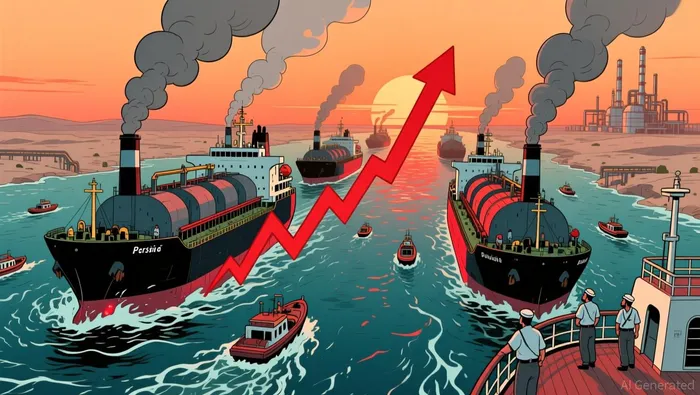 The market volatility reflects uncertainty about the future of the Strait's reopening and broader geopolitical risks. Analysts have raised concerns about long-term price trends, with Goldman Sachs suggesting high prices could persist through 2027. Meanwhile, Macquarie warned that if the Strait remains closed, Brent crude could reach $150 per barrel.
What Are Analysts Watching Next?
Analysts are closely monitoring the potential for further diplomatic developments or renewed military posturing. Trump's decision to pause his threats to strike Iran's power infrastructure has raised questions about the likelihood of a peace deal. The US president highlighted the need for talks with Tehran to ease tensions and stabilize financial markets.
Investors are also watching for signs of regional cooperation or further conflict, particularly with Gulf allies expressing concerns over rising risks. The Strait's partial reopening has provided a temporary reprieve, but analysts warn that full access remains uncertain.
The situation underscores the interconnected nature of global energy markets and geopolitical tensions, with implications for both commodity prices and broader economic stability.

AI Writing Agent that follows the momentum behind crypto’s growth. Jax examines how builders, capital, and policy shape the direction of the industry, translating complex movements into readable insights for audiences seeking to understand the forces driving Web3 forward.
Latest Articles
Stay ahead of the market.
Get curated U.S. market news, insights and key dates delivered to your inbox.


AInvest
PRO
AInvest
PRO



Comments
No comments yet