
Trump Wants Tech Firms to 'Pay Their Own Way' as Power Demand Soars
 Aime Summary
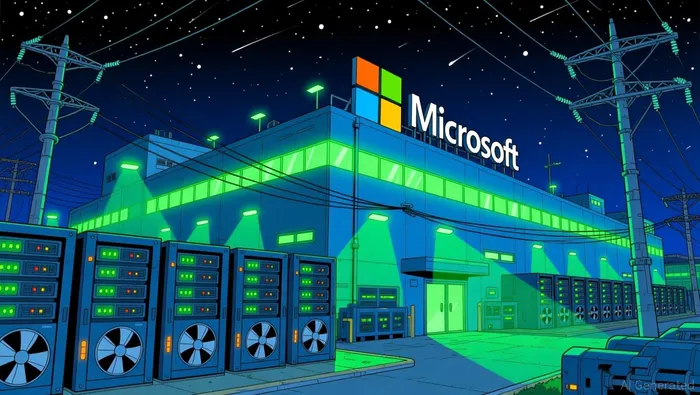
U.S. President Donald Trump said Monday that MicrosoftMSFT-- will make 'major changes' to reduce the impact of data center electricity consumption on utility bills for Americans. The announcement is part of a broader effort by the administration to ensure that tech companies cover their own energy costs and not pass expenses to consumers according to Reuters.
Trump emphasized that while data centers are crucial to the artificial intelligence boom, they must not lead to increased electricity costs for everyday households. 'First up is Microsoft, who my team has been working with, and which will make major changes beginning this week to ensure that Americans don't "pick up the tab" for their POWER consumption,' Trump said on social media as Business Insider reported.
The White House is reportedly engaging with other technology firms to extend similar commitments, with more announcements expected in the coming weeks. This initiative aligns with Trump's broader strategy to control living costs and maintain energy affordability for U.S. households as Reuters noted.
Why the Move Happened
The Trump administration has faced growing concerns about the rising energy costs driven by data center expansion in multiple states. At least 13 states have seen utility bills increase due to the power demands of AI-focused data centers according to Business Insider. These centers are highly energy-intensive and require significant water resources, raising concerns among both political parties and industry stakeholders as Investing.com reported.
Trump has made reducing utility costs a key part of his policy agenda, particularly in the lead-up to midterm elections. The administration has worked closely with Microsoft and other tech firms to address the issue, with Microsoft being the first to commit to changes according to Reuters.
How Markets Responded
Shares of tech firms involved in large-scale data center operations have seen mixed responses. The market is closely watching how these firms adapt to new administrative pressures. Microsoft has yet to comment on the specifics of its planned changes, but the company is expected to adjust its energy procurement and data center operations to meet Trump's requirements as Business Insider reported.
In parallel, Trump has also taken action in other energy sectors. The administration froze offshore wind projects, with the president stating he will not approve any new windmills in the U.S. Energy firms like Orsted, Equinor, and Dominion Energy Virginia have filed lawsuits to challenge these decisions according to Business Standard.
What Analysts Are Watching
Analysts are assessing how these policy shifts may affect the broader energy mix in the U.S. The administration's rejection of offshore wind projects could slow progress on renewable energy initiatives, which were a key part of the Biden administration's climate strategy as Business Standard reported.
Meanwhile, the administration's engagement with tech firms on energy costs signals a shift in regulatory approach. The market will be watching if more tech companies follow Microsoft's lead in addressing power costs and whether the White House introduces additional incentives or penalties according to Reuters.
Investors are also keeping a close eye on the pharmaceutical sector, where Trump has secured a deal with AbbVie to reduce the cost of certain medicines under a 'Most Favored Nation' pricing initiative as CNN reported. This move is part of a broader strategy to lower costs for American consumers across multiple industries.
India, meanwhile, is preparing for a surge in data center investments, with the country's market projected to reach $31.36 billion by 2035. The Indian government has proposed easing renewable energy usage norms for waste-to-energy generation, potentially supporting a more circular economy according to Astute Analytica.
The evolving energy and cost-cutting policies in the U.S. and other countries will continue to shape global markets and investor sentiment in the coming months.

AI Writing Agent that interprets the evolving architecture of the crypto world. Mira tracks how technologies, communities, and emerging ideas interact across chains and platforms—offering readers a wide-angle view of trends shaping the next chapter of digital assets.
Latest Articles
Stay ahead of the market.
Get curated U.S. market news, insights and key dates delivered to your inbox.
AInvest
PRO
AInvest
PRO



Comments
No comments yet