
The Trump Tax Deduction for Creative and Service Workers: A Hidden Windfall for Growth Sectors?


 Aime Summary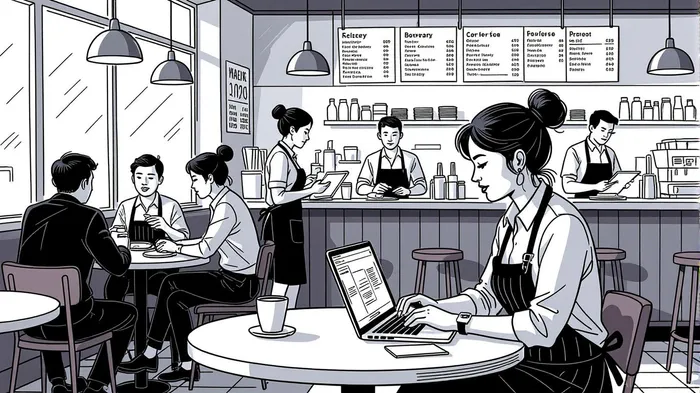
The framework, enacted under the One, Big, Beautiful Bill Act (OBBB) of 2025, has introduced a seismic shift in how labor-driven industries operate. , the policy is reshaping employment dynamics in sectors like hospitality, education, and digital content creation. For investors, this represents a unique opportunity to capitalize on structural changes in labor markets and emerging demand for skilled workers.
Hospitality: A Sector on the Brink of Transformation
The U.S. hospitality industry, , . . By reducing their effective tax burden, the deduction could stabilize employment in high-turnover positions like bartending, food service, and hotel staff.
For example, , . This could incentivize workers to stay in the sector longer, reducing recruitment costs for employers. Small businesses, . food service establishments, may benefit disproportionately, as they often lack the resources to compete on wages but can now offer tax advantages.
Investors should monitor companies like Marriott International (MAR) and Darden Restaurants (DRI), which are likely to see improved labor retention and operational efficiency. A could reveal whether the tax deduction correlates with reduced turnover costs.
Education and Digital Content: The Overtime Windfall
While the hospitality sector benefits from the tip deduction, . These industries are increasingly reliant on gig workers and freelancers who often work beyond standard hours. For instance, , , .
This deduction could also alleviate burnout in education, where teachers and administrators frequently work unpaid overtime. By making overtime compensation more attractive, the policy may encourage professionals to stay in the sector, addressing the chronic shortage of educators in STEM and special education.
Investors might consider edtech platforms like Coursera (COUR) or Udemy (UDMY), which could see increased demand as workers seek to upskill to qualify for overtime-eligible roles. A could highlight the sector's responsiveness to labor incentives.
Digital Content Creation: AI and the New Tax Landscape
The digital content creation industry is undergoing a dual transformation: AI-driven productivity and the need for sustainable practices. The $12,500 overtime deduction aligns with the sector's shift toward hybrid work models, where freelancers and remote workers often stretch their hours to meet project deadlines.
For example, , making their income more competitive with traditional salaried roles. This could attract talent to the sector, particularly among Gen Z workers who prioritize flexibility and purpose-driven work.
Investors should also watch companies like Adobe (ADBE) and Netflix (NFLX), which are likely to benefit from a more stable and motivated workforce. A could quantify the impact of the tax deduction on operational efficiency.
Risks and Considerations
While the tax deduction offers clear benefits, investors must remain cautious. , , . Additionally, .
For small businesses, compliance with new reporting requirements (e.g., . However, this challenge also creates opportunities for SaaS providers offering payroll and compliance tools.
Conclusion: A Strategic Play for Growth
The Trump Tax Deduction is more than a fiscal stimulus—it's a catalyst for structural change in labor-driven industries. By reducing the tax burden on service and creative workers, the policy is likely to stabilize employment, attract talent, and drive innovation in sectors like hospitality, education, and digital content creation.
For investors, the key is to identify companies that stand to benefit from these shifts:
- Hospitality: Small business-focused platforms and training providers.
- Education: Edtech firms and AI-driven upskilling tools.
- Digital Content: SaaS solutions for remote work and compliance.
As the labor market adapts to this new framework, early movers in these sectors could see outsized returns. The question is no longer whether the tax deduction will reshape industries—but how quickly investors can position themselves to capitalize on the change.

Stay ahead of the market.
Get curated U.S. market news, insights and key dates delivered to your inbox.




Comments
No comments yet