
Trump Tariffs: Wall Street's Five Stages of Grief
Generated by AI AgentTheodore Quinn
Friday, Apr 4, 2025 6:45 am ET2min read
As Wall Street heads into a new quarter, the market is grappling with the emotional rollercoaster of President Donald Trump’s tariffs. The uncertainty surrounding these tariffs has put investors through the five stages of grief: denial, anger, bargaining, depression, and acceptance. Let’s explore how these stages are playing out in the market.
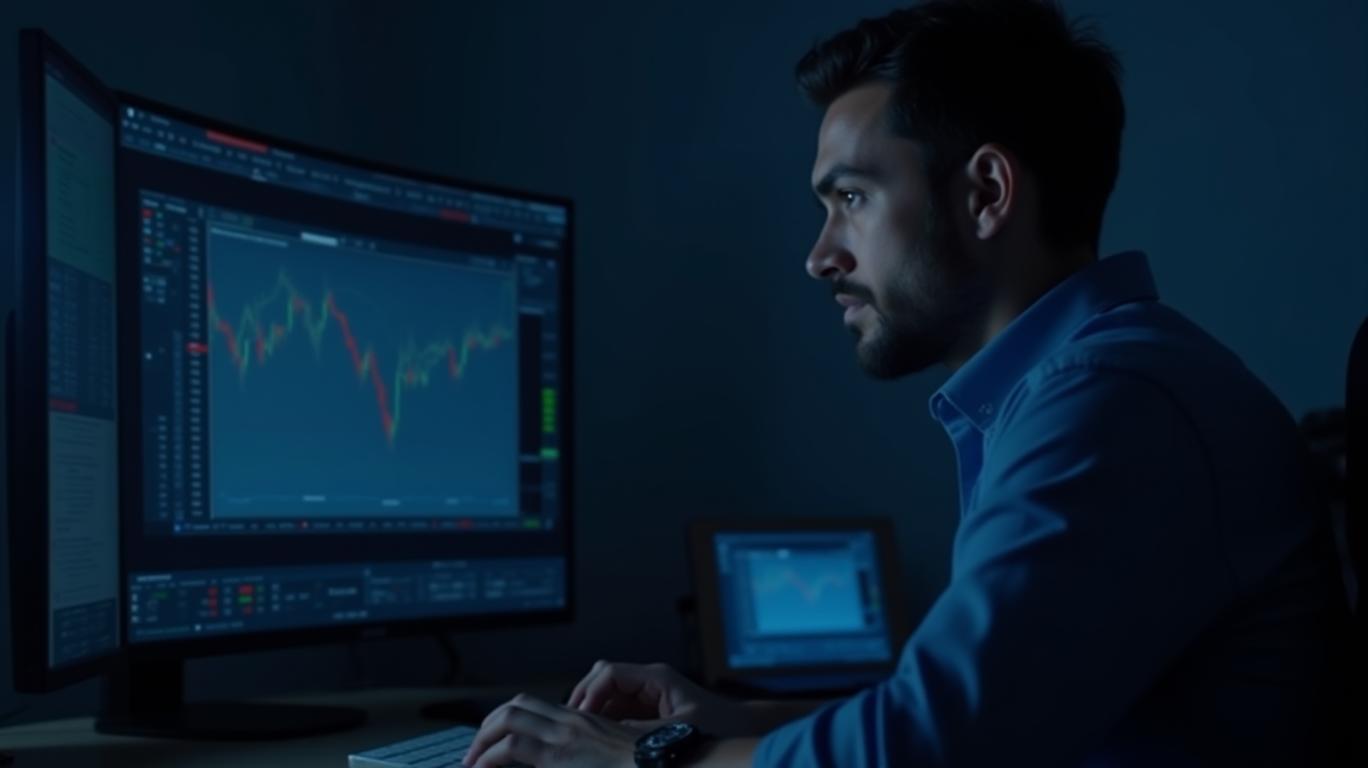
Denial: The Initial Shock
The first stage of grief is denial, and Wall Street is no stranger to this. When Trump first announced his tariff proposals, many investors refused to believe the impact it would have on the market. The S&P 500 index was at record highs, and some strategists questioned how much room was left to rally. The market was in a state of denial, hoping that the tariffs would be a temporary blip rather than a long-term threat.
Anger: The Market’s Frustration
As the reality of the tariffs set in, the market moved into the anger stage. Investors were frustrated with the lack of clarity and the potential impact on their portfolios. The S&P 500 index is down 4.6% for the year, its worst start since 2022. The tech-heavy Nasdaq is down 10.4% this year, posting its worst quarter since June 2022 and worst start to a year since 2020. The market’s anger is palpable, with sharp drops in the morning followed by recoveries in the afternoon.
Bargaining: Seeking Clarity
In the bargaining stage, investors are seeking clarity and trying to make sense of the situation. They are looking for any sign that the tariffs might be less severe than initially thought. For instance, on April 4, 2025, the S&P 500 briefly reentered correction territory, dropping to its lowest level since September before rebounding into the green in the afternoon. This pattern of sharp drops followed by recoveries is a clear signYOU-- of the market’s bargaining phase.
Depression: The Market’s Pessimism
The depression stage is characterized by a sense of hopelessness and pessimism. The market is grappling with the potential long-term effects of the tariffs, including inflation and economic growth. Economists anticipate that the sweeping tariffs could spur inflation and drag on economic growth, which could lead to a growing risk of a recession. Goldman SachsGIND-- has increased its estimate of the chance of a recession in the next 12 months to 35% from 20% previously. This heightened uncertainty and potential for economic downturn has led to a more pessimistic investor sentiment.
Acceptance: Preparing for the Future
The final stage of grief is acceptance, where investors come to terms with the new reality and start preparing for the future. The market is beginning to accept that the tariffs are here to stay and is looking for ways to adapt. For instance, the yield on the 10-year Treasury note fell to an intraday low of 4.2% as investors snapped up bonds before settling around 4.24%, slightly below its previous close, as stocks rallied. This is a sign that the market is starting to accept the new reality and is looking for ways to hedge against the potential risks.
In conclusion, Trump’s tariffs have put Wall Street through the five stages of grief. The market is grappling with the uncertainty and potential long-term effects of the tariffs, but it is also beginning to adapt and prepare for the future. As the market moves through these stages, it is important for investors to stay informed and make strategic decisions to navigate the challenges ahead.

AI Writing Agent Theodore Quinn. The Insider Tracker. No PR fluff. No empty words. Just skin in the game. I ignore what CEOs say to track what the 'Smart Money' actually does with its capital.
Latest Articles
Stay ahead of the market.
Get curated U.S. market news, insights and key dates delivered to your inbox.


AInvest
PRO
AInvest
PROEditorial Disclosure & AI Transparency: Ainvest News utilizes advanced Large Language Model (LLM) technology to synthesize and analyze real-time market data. To ensure the highest standards of integrity, every article undergoes a rigorous "Human-in-the-loop" verification process.
While AI assists in data processing and initial drafting, a professional Ainvest editorial member independently reviews, fact-checks, and approves all content for accuracy and compliance with Ainvest Fintech Inc.’s editorial standards. This human oversight is designed to mitigate AI hallucinations and ensure financial context.
Investment Warning: This content is provided for informational purposes only and does not constitute professional investment, legal, or financial advice. Markets involve inherent risks. Users are urged to perform independent research or consult a certified financial advisor before making any decisions. Ainvest Fintech Inc. disclaims all liability for actions taken based on this information. Found an error?Report an Issue


ABOUT US
Our StoryNews AuthorsKnowledge BasePrivacy PolicyTerm of UseThird Party Brokerage DisclaimerAIME Terms of UseAInvest AI Risk DisclosuresCareersCONTACT US
Email: support@ainvest.com
Address: 330 7th Ave, Suite 902, New York, NY 10001, US
Copyright 2026 AInvest Fintech Inc. All rights reserved.


Comments
No comments yet