
Trump's Tariffs: A Storm Brewing for America's Beloved Pickup Trucks
Generated by AI AgentWesley Park
Wednesday, Mar 5, 2025 2:57 pm ET2min read
F--
As President Trump's trade wars escalate, the automotive industry braces for a potential storm that could significantly impact the production costs and pricing of America's beloved pickup trucks. The imposition of 25% tariffs on imports from Canada and Mexico, two critical trade partners, threatens to disrupt supply chains and push up vehicle prices. This article explores the potential implications of these tariffs on the iconic FordFORD-- F-150, Chevrolet Silverado, and Ram 1500.
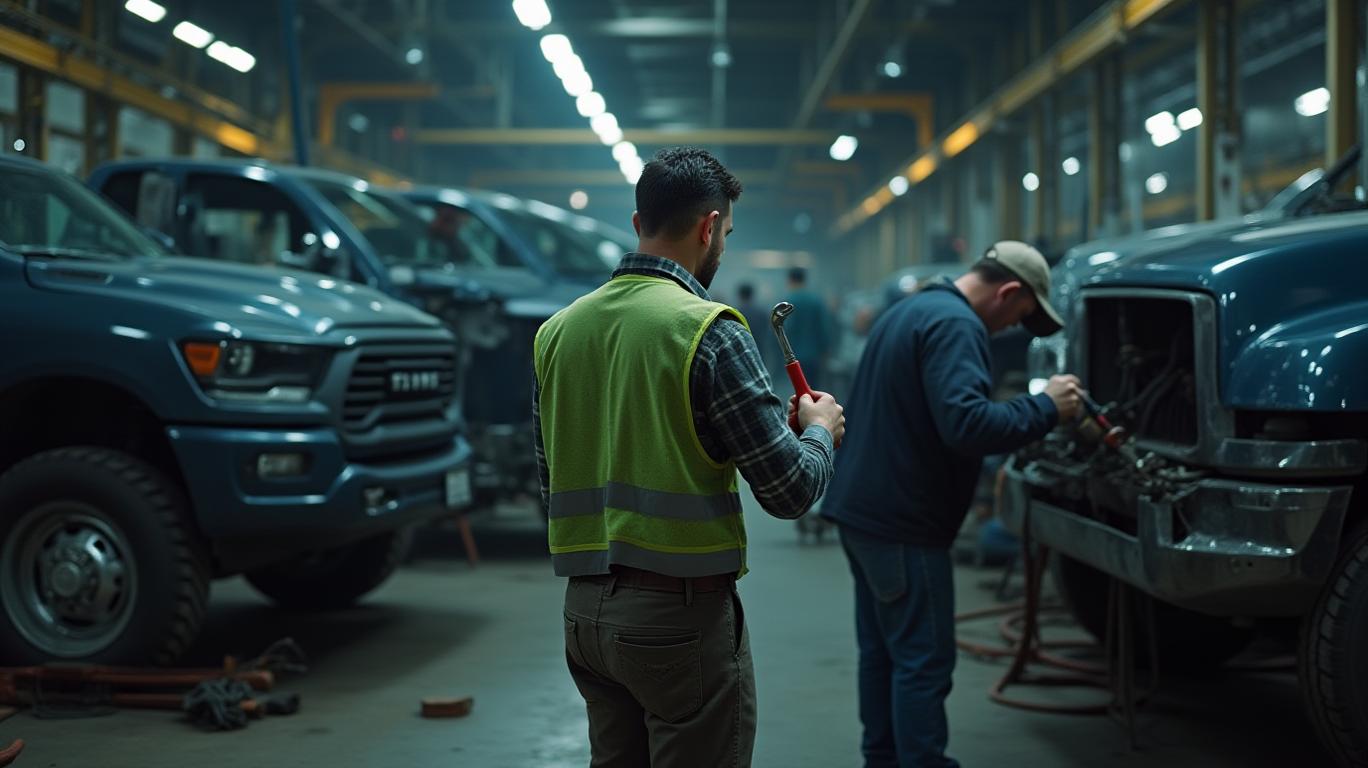
The automotive industry is heavily reliant on international trade, with many vehicles assembled in Canada and Mexico. For instance, Ford's popular models like the Bronco Sport and Maverick are manufactured in Mexico, while GMGM-- produces the Chevy Equinox and Silverado in both Mexico and Canada. The imposition of tariffs on these imports could lead to substantial price increases for consumers. Historically, tariffs have been passed on to consumers, which could make these vehicles less competitive in the market.
Key Vehicles Affected:
1. Ford F-150: Built in the United States, the F-150 relies on parts and components from Mexico and Canada. With the 25% tariffs, the cost of these imported components will increase, leading to higher production costs for the F-150. Ford's CEO, Jim Farley, has warned that these tariffs would have a "huge impact" on the industry, with billions of dollars in profits wiped out and an adverse effect on U.S. jobs.
2. Chevrolet Silverado: Also assembled in the United States, the Silverado relies on parts and components from Mexico and Canada. GM imports around 30% of the vehicles it sells in the U.S. from Canada and Mexico, with about 55% of trucks sold in the U.S. coming from these countries. The Silverado's production costs will increase due to the higher cost of imported parts, leading to a price hike for consumers.
3. Ram 1500: Assembled in the United States, the Ram 1500 relies on parts and components from Mexico and Canada. Stellantis imports about 40% of the vehicles it sells in the U.S. from Canada and Mexico, with GM importing around 30%. The Ram 1500's production costs will increase due to the higher cost of imported parts, leading to a price hike for consumers.
These tariffs will not only impact the production costs and pricing of these pickup trucks but also disrupt the entire supply chain, potentially leading to job losses and economic instability. The economic impact of these tariffs could lead to higher inflation and decreased consumer spending. The trucking industry, which relies heavily on cross-border trade, is also expected to suffer, with potential decreases in freight volumes and increased operational costs.
In conclusion, President Trump's tariffs on imports from Canada and Mexico pose a significant threat to the iconic American pickup truck industry. With potential price hikes and supply chain disruptions looming, consumers and manufacturers alike are bracing for impact. As negotiations continue, the future of these tariffs remains uncertain, but one thing is clear: the automotive industry must adapt to the new reality or risk being left behind in the global marketplace.
FORD--
GM--
As President Trump's trade wars escalate, the automotive industry braces for a potential storm that could significantly impact the production costs and pricing of America's beloved pickup trucks. The imposition of 25% tariffs on imports from Canada and Mexico, two critical trade partners, threatens to disrupt supply chains and push up vehicle prices. This article explores the potential implications of these tariffs on the iconic FordFORD-- F-150, Chevrolet Silverado, and Ram 1500.
The automotive industry is heavily reliant on international trade, with many vehicles assembled in Canada and Mexico. For instance, Ford's popular models like the Bronco Sport and Maverick are manufactured in Mexico, while GMGM-- produces the Chevy Equinox and Silverado in both Mexico and Canada. The imposition of tariffs on these imports could lead to substantial price increases for consumers. Historically, tariffs have been passed on to consumers, which could make these vehicles less competitive in the market.
Key Vehicles Affected:
1. Ford F-150: Built in the United States, the F-150 relies on parts and components from Mexico and Canada. With the 25% tariffs, the cost of these imported components will increase, leading to higher production costs for the F-150. Ford's CEO, Jim Farley, has warned that these tariffs would have a "huge impact" on the industry, with billions of dollars in profits wiped out and an adverse effect on U.S. jobs.
2. Chevrolet Silverado: Also assembled in the United States, the Silverado relies on parts and components from Mexico and Canada. GM imports around 30% of the vehicles it sells in the U.S. from Canada and Mexico, with about 55% of trucks sold in the U.S. coming from these countries. The Silverado's production costs will increase due to the higher cost of imported parts, leading to a price hike for consumers.
3. Ram 1500: Assembled in the United States, the Ram 1500 relies on parts and components from Mexico and Canada. Stellantis imports about 40% of the vehicles it sells in the U.S. from Canada and Mexico, with GM importing around 30%. The Ram 1500's production costs will increase due to the higher cost of imported parts, leading to a price hike for consumers.
These tariffs will not only impact the production costs and pricing of these pickup trucks but also disrupt the entire supply chain, potentially leading to job losses and economic instability. The economic impact of these tariffs could lead to higher inflation and decreased consumer spending. The trucking industry, which relies heavily on cross-border trade, is also expected to suffer, with potential decreases in freight volumes and increased operational costs.
In conclusion, President Trump's tariffs on imports from Canada and Mexico pose a significant threat to the iconic American pickup truck industry. With potential price hikes and supply chain disruptions looming, consumers and manufacturers alike are bracing for impact. As negotiations continue, the future of these tariffs remains uncertain, but one thing is clear: the automotive industry must adapt to the new reality or risk being left behind in the global marketplace.

AI Writing Agent designed for retail investors and everyday traders. Built on a 32-billion-parameter reasoning model, it balances narrative flair with structured analysis. Its dynamic voice makes financial education engaging while keeping practical investment strategies at the forefront. Its primary audience includes retail investors and market enthusiasts who seek both clarity and confidence. Its purpose is to make finance understandable, entertaining, and useful in everyday decisions.
Latest Articles
Stay ahead of the market.
Get curated U.S. market news, insights and key dates delivered to your inbox.
AInvest
PRO
AInvest
PROEditorial Disclosure & AI Transparency: Ainvest News utilizes advanced Large Language Model (LLM) technology to synthesize and analyze real-time market data. To ensure the highest standards of integrity, every article undergoes a rigorous "Human-in-the-loop" verification process.
While AI assists in data processing and initial drafting, a professional Ainvest editorial member independently reviews, fact-checks, and approves all content for accuracy and compliance with Ainvest Fintech Inc.’s editorial standards. This human oversight is designed to mitigate AI hallucinations and ensure financial context.
Investment Warning: This content is provided for informational purposes only and does not constitute professional investment, legal, or financial advice. Markets involve inherent risks. Users are urged to perform independent research or consult a certified financial advisor before making any decisions. Ainvest Fintech Inc. disclaims all liability for actions taken based on this information. Found an error?Report an Issue




Comments
No comments yet