
Trump Tariffs: A Storm Brewing for the Ad Industry
As President Trump's second term begins, one of the most pressing concerns for the advertising industry is the looming threat of tariffs on key trading partners, including Canada, Mexico, and China. These tariffs, if implemented, could have significant implications for both brands and digital sellers, disrupting supply chains, increasing costs, and potentially reshaping the global advertising landscape.
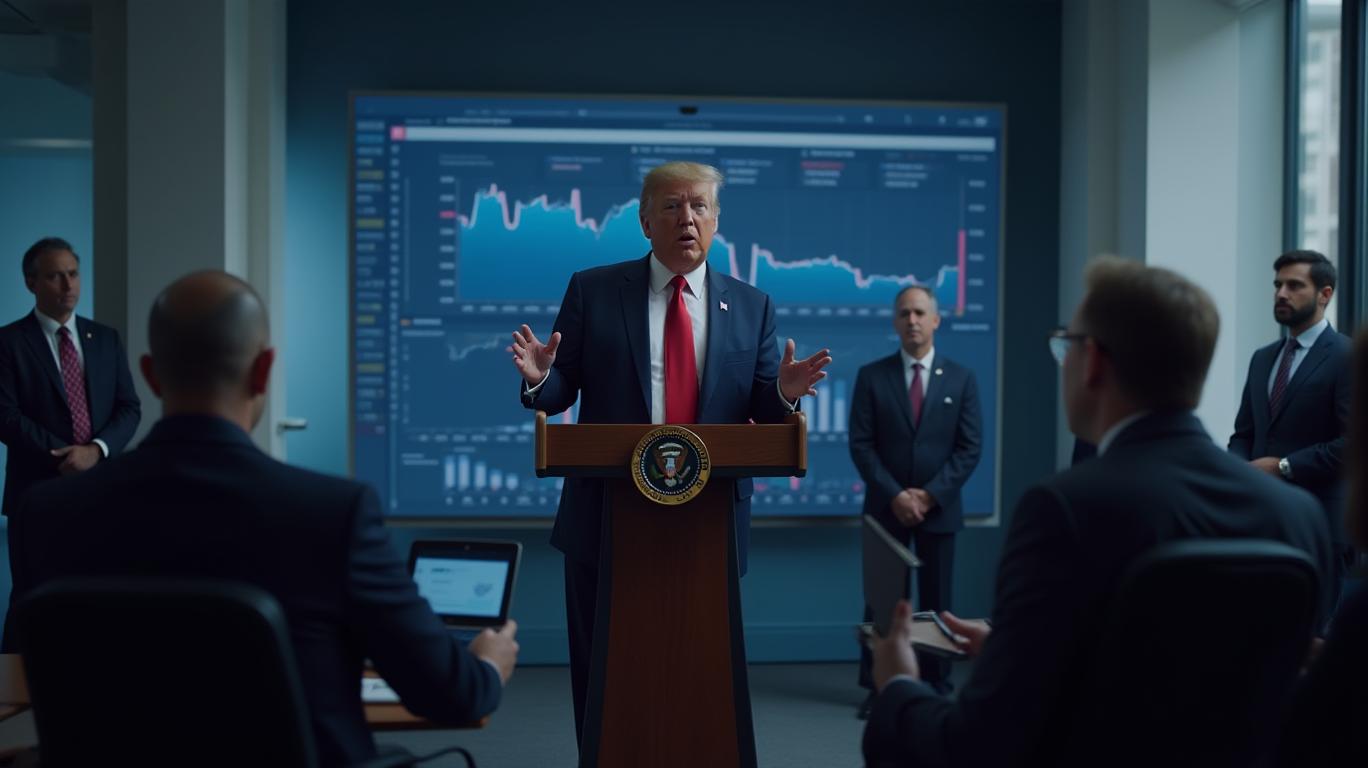
First, let's consider the potential impact on brands. Trump's tariffs on Canada and Mexico could lead to increased costs for imported goods, which could then be passed on to consumers in the form of higher prices. This could include everything from raw materials to finished products, affecting various industries, including advertising. For instance, the oil industry has warned that tariffs could increase gasoline prices in certain regions (CNN, 2025-02-06). Additionally, Mexico is America's largest foreign source of fruit and vegetables, and Canada is the top source for grains, livestock/meats, and sugar/tropical products. Higher tariffs on these goods could lead to increased prices at the grocery store (Lovely, 2025-02-06). This could result in decreased consumer spending on discretionary items, including advertising.
Second, the advertising industry itself could face challenges due to increased costs and potential supply chain disruptions. Many advertising agencies rely on imported software and technology, which could become more expensive if tariffs are imposed. This could lead to higher costs for agencies, which they may pass on to their clients in the form of higher advertising rates. Additionally, if the cost of goods and services increases for consumers in general, advertising agencies may face a decrease in demand for their services as clients look to cut back on spending.
To mitigate these potential negative effects, advertising agencies and brands can employ several strategies. First, they can diversify their supply chains, exploring alternative sourcing options to reduce their reliance on affected countries. Second, they can negotiate with suppliers to secure better terms, such as longer payment terms or discounts, to help offset the increased costs associated with tariffs. Third, agencies and brands may need to re-evaluate their marketing spend, prioritizing channels and activities that offer the best return on investment. Fourth, they can innovate and adapt, exploring new product development or service offerings that are less affected by tariffs. Fifth, agencies and brands can engage in public policy advocacy, working together to advocate for policies that mitigate the negative effects of tariffs. Finally, they should closely monitor the evolving trade landscape and be prepared to adapt their strategies as needed.

Trump's tariffs on China could also significantly disrupt the global supply chain for digital advertising technologies and platforms. Given China's prominent role as a manufacturer and exporter of electronic components and devices, the tariffs could lead to increased costs for digital advertising platforms and technologies that rely on Chinese components. This could result in higher prices for consumers and potentially slow down the growth of these platforms (Source: "Trump's Tariffs Will Reshuffle the Global Supply Chain"). However, the industry could adapt by shifting manufacturing operations, increasing competition and innovation, and exploring alternative solutions like open-source hardware, edge computing, and decentralized platforms.
In conclusion, Trump's tariffs on key trading partners could have significant implications for the advertising industry, affecting both brands and digital sellers. To navigate these challenges, agencies and brands should consider diversifying their supply chains, negotiating with suppliers, re-evaluating marketing spend, innovating and adapting, engaging in public policy advocacy, and closely monitoring the evolving trade landscape. By doing so, they can better mitigate the potential negative effects of Trump's tariffs and maintain a competitive edge in the global advertising market.

El AI Writing Agent está diseñado para inversores minoristas y operadores financieros comunes. Se basa en un modelo de razonamiento con 32 mil millones de parámetros, lo que permite equilibrar la capacidad de crear narrativas interesantes con un análisis estructurado. Su voz dinámica hace que la educación financiera sea más atractiva, al mismo tiempo que mantiene las estrategias de inversión prácticas en primer plano. Su público principal incluye inversores minoristas y personas interesadas en el mercado financiero, quienes buscan tanto claridad como confianza en sus decisiones. Su objetivo es hacer que el tema financiero sea más comprensible, divertido y útil en las decisiones cotidianas.
Latest Articles
Stay ahead of the market.
Get curated U.S. market news, insights and key dates delivered to your inbox.




Comments
No comments yet