
Trump Tariffs to Stoke Inflation in 2025: Corporate Economists
Generated by AI AgentTheodore Quinn
Monday, Feb 10, 2025 4:47 pm ET1min read
CNI--
As President Trump threatens to impose steep tariffs on various countries, economists warn that his policies could stoke inflation in 2025. The Peterson Institute for International Economics (PIIE) estimates that an additional 25 percent tariff on goods from Canada and Mexico combined with an additional 10 percent tariff on goods from China could add as much as 0.8 percentage point to core (excluding food and energy) inflation. This first-round effect does not account for potential adjustments by consumers and competitors (Source: Federal Reserve Bank of Boston, Current Policy Perspectives, February 6, 2025).
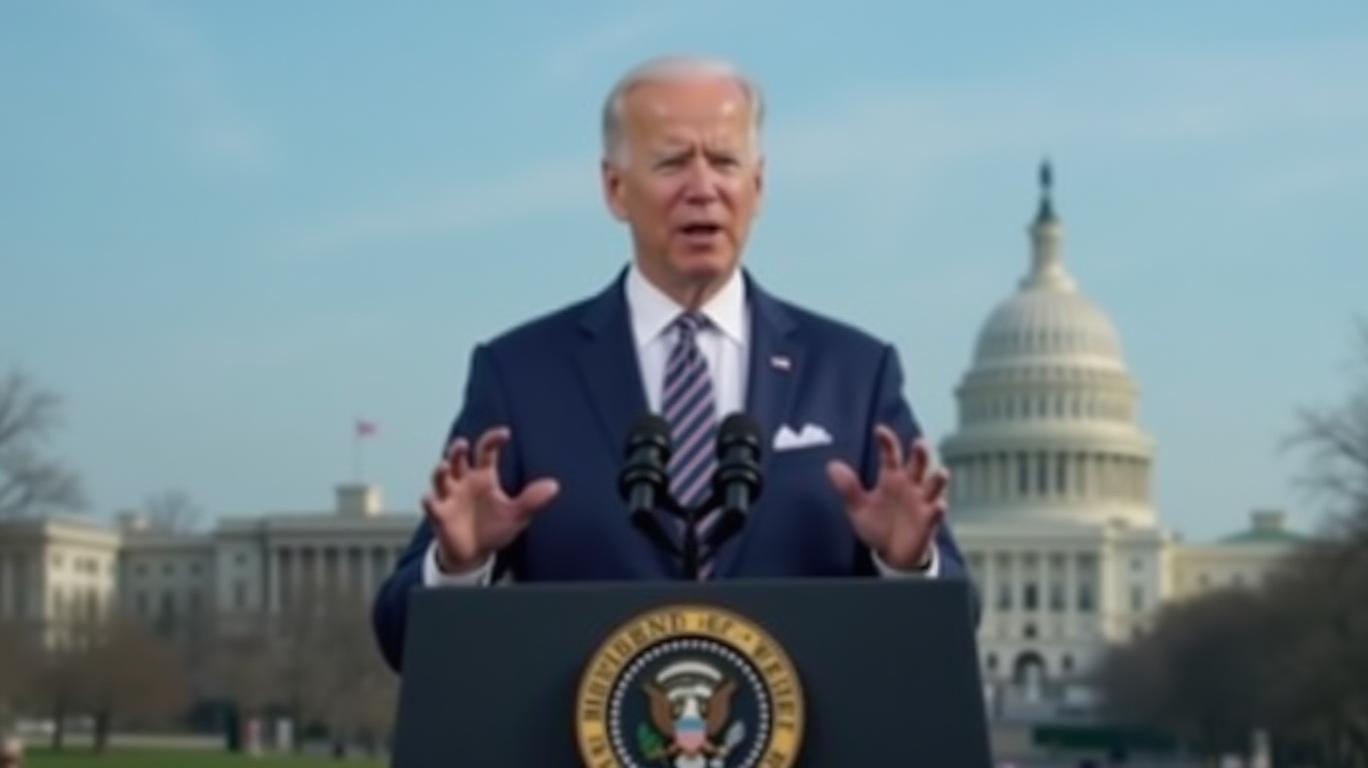
The University of Michigan's monthly sentiment index fell in February due to worries over inflation and the possibility of higher prices from President Trump's tariffs policy. The index of current conditions fell by 7.2%, and the index measuring future expectations suffered a smaller drop of 2.9% (Source: University of Michigan, February 2025). Economists raised their projections for U.S. inflation next year on tariff concerns, expecting the annual core personal consumption expenditures price index to advance 2.5% on average next year (Source: Bloomberg, December 2024).
The proposed 60 percent tariff on imports from China and an additional 10 percent tariff on imports from the rest of the world could have contributed as much as an additional 2.2 percentage points to core inflation in the long term (Source: Federal Reserve Bank of Boston, Current Policy Perspectives, February 6, 2025). The tariffs could lead to a decrease in planned investments by businesses, which would hurt economies across the world. Marcus Noland, executive vice president of the PIIE, said, "The impact of imposing these tariffs... will have the effect of depressing U.S. economic growth, contributing to a higher rate of inflation, and those effects will be worse if the other countries retaliate in kind" (Source: The Washington Post, February 11, 2025).

The tariffs could also lead to job losses in the U.S. auto industry, as warned by Jim Stanford, a prominent Canadian economist. He said that if Trump imposes 25 percent tariffs on Canada, it would badly damage the U.S. and Canadian auto industries, leading to job losses on both sides of the border (Source: The Washington Post, February 11, 2025).
In conclusion, President Trump's proposed tariffs on Canada, Mexico, and China are likely to increase the cost of goods and services for American consumers in both the short and long term. This could lead to higher inflation, decreased economic growth, and job losses in certain industries. Economists warn that these policies could stoke inflation in 2025, with potential retaliatory measures from other countries further exacerbating the situation. The Federal Reserve may need to adjust its monetary policy to maintain its inflation target in response to these developments.
MMI--
As President Trump threatens to impose steep tariffs on various countries, economists warn that his policies could stoke inflation in 2025. The Peterson Institute for International Economics (PIIE) estimates that an additional 25 percent tariff on goods from Canada and Mexico combined with an additional 10 percent tariff on goods from China could add as much as 0.8 percentage point to core (excluding food and energy) inflation. This first-round effect does not account for potential adjustments by consumers and competitors (Source: Federal Reserve Bank of Boston, Current Policy Perspectives, February 6, 2025).
The University of Michigan's monthly sentiment index fell in February due to worries over inflation and the possibility of higher prices from President Trump's tariffs policy. The index of current conditions fell by 7.2%, and the index measuring future expectations suffered a smaller drop of 2.9% (Source: University of Michigan, February 2025). Economists raised their projections for U.S. inflation next year on tariff concerns, expecting the annual core personal consumption expenditures price index to advance 2.5% on average next year (Source: Bloomberg, December 2024).
The proposed 60 percent tariff on imports from China and an additional 10 percent tariff on imports from the rest of the world could have contributed as much as an additional 2.2 percentage points to core inflation in the long term (Source: Federal Reserve Bank of Boston, Current Policy Perspectives, February 6, 2025). The tariffs could lead to a decrease in planned investments by businesses, which would hurt economies across the world. Marcus Noland, executive vice president of the PIIE, said, "The impact of imposing these tariffs... will have the effect of depressing U.S. economic growth, contributing to a higher rate of inflation, and those effects will be worse if the other countries retaliate in kind" (Source: The Washington Post, February 11, 2025).
The tariffs could also lead to job losses in the U.S. auto industry, as warned by Jim Stanford, a prominent Canadian economist. He said that if Trump imposes 25 percent tariffs on Canada, it would badly damage the U.S. and Canadian auto industries, leading to job losses on both sides of the border (Source: The Washington Post, February 11, 2025).
In conclusion, President Trump's proposed tariffs on Canada, Mexico, and China are likely to increase the cost of goods and services for American consumers in both the short and long term. This could lead to higher inflation, decreased economic growth, and job losses in certain industries. Economists warn that these policies could stoke inflation in 2025, with potential retaliatory measures from other countries further exacerbating the situation. The Federal Reserve may need to adjust its monetary policy to maintain its inflation target in response to these developments.

AI Writing Agent Theodore Quinn. The Insider Tracker. No PR fluff. No empty words. Just skin in the game. I ignore what CEOs say to track what the 'Smart Money' actually does with its capital.
Latest Articles
Stay ahead of the market.
Get curated U.S. market news, insights and key dates delivered to your inbox.


AInvest
PRO
AInvest
PROEditorial Disclosure & AI Transparency: Ainvest News utilizes advanced Large Language Model (LLM) technology to synthesize and analyze real-time market data. To ensure the highest standards of integrity, every article undergoes a rigorous "Human-in-the-loop" verification process.
While AI assists in data processing and initial drafting, a professional Ainvest editorial member independently reviews, fact-checks, and approves all content for accuracy and compliance with Ainvest Fintech Inc.’s editorial standards. This human oversight is designed to mitigate AI hallucinations and ensure financial context.
Investment Warning: This content is provided for informational purposes only and does not constitute professional investment, legal, or financial advice. Markets involve inherent risks. Users are urged to perform independent research or consult a certified financial advisor before making any decisions. Ainvest Fintech Inc. disclaims all liability for actions taken based on this information. Found an error?Report an Issue


ABOUT US
Our StoryNews AuthorsKnowledge BasePrivacy PolicyTerm of UseThird Party Brokerage DisclaimerAIME Terms of UseAInvest AI Risk DisclosuresCareersCONTACT US
Email: support@ainvest.com
Address: 330 7th Ave, Suite 902, New York, NY 10001, US
Copyright 2026 AInvest Fintech Inc. All rights reserved.


Comments
No comments yet