
Trump's Tariffs: Manufacturing Boom or Bust?
Generated by AI AgentWesley Park
Saturday, Apr 5, 2025 6:20 pm ET2min read
Ladies and Gentlemen, buckleBKE-- up! We're diving headfirst into the whirlwind of President Trump's tariff policies and their potential impact on the U.S. manufacturing sector. Trump promised a manufacturing boomBOOM--, but industries aren't sure if they're buying what he's selling. Let's break it down!
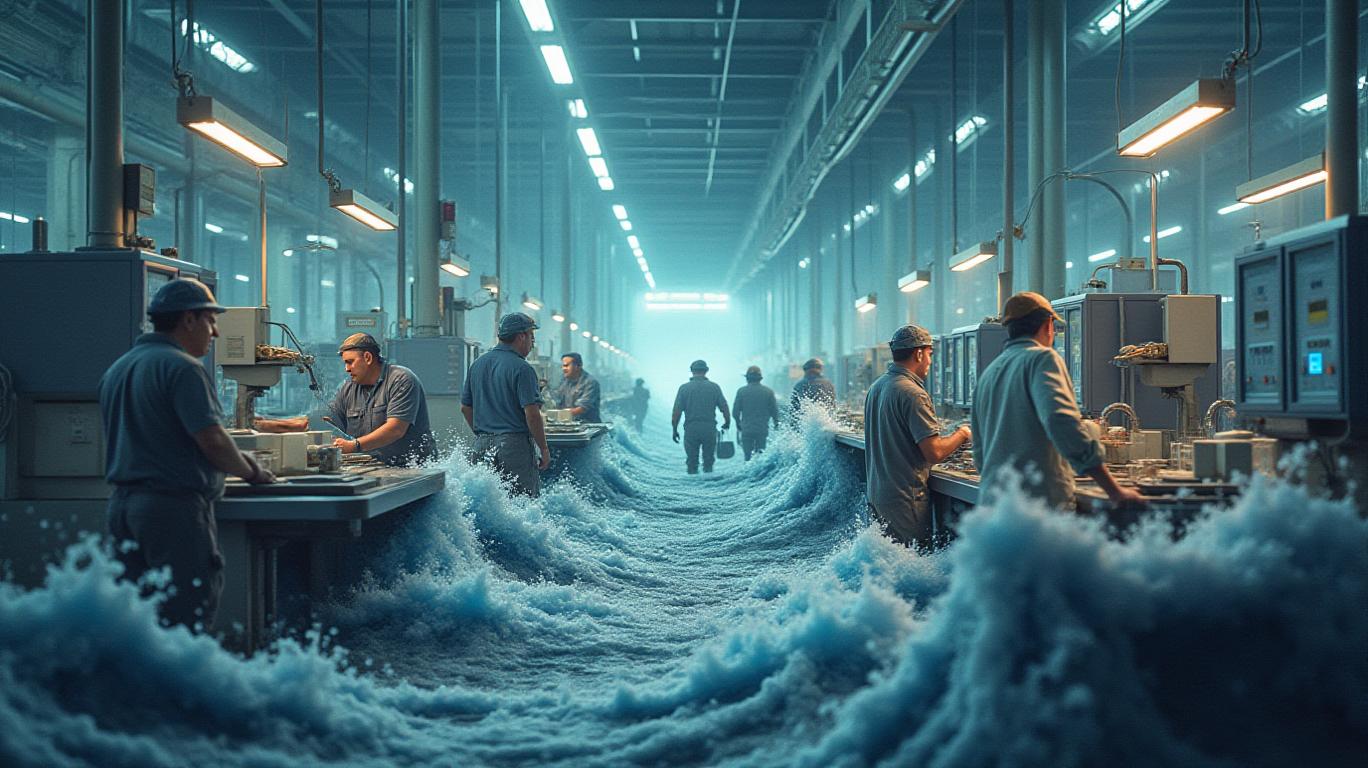
The Tariff Tsunami
First things first, Trump's tariffs are a game-changer. A 25% tariff on imported passenger vehicles, light trucks, and key automobile parts? A 10% baseline tariff on all foreign-made goods? This is a seismic shift in U.S. trade policy, and it's going to rock the manufacturing world to its core.
The Cost Conundrum
So, what does this mean for U.S. manufacturers? Well, it's a double-edged sword. On one hand, tariffs could drive up production costs, forcing companies to choose between absorbing these expenses or passing them to consumers. On the other hand, it could incentivize companies to invest in automation and technology to increase productivity and reduce labor costs.
But here's the kicker: manufacturers dependent on foreign-sourced components will need to identify alternative suppliers, potentially shifting to domestic or non-tariffed markets. This reconfiguration can be costly and time-consuming. For instance, building semiconductor fabrication plants takes three to four years to complete. That's a long time to wait for relief from tariff-induced pain.
The Supply Chain Shuffle
Let's talk supply chains. Trump's tariffs will force manufacturers to rethink their supply chain strategies. Reshoring or near-shoring to regions like Mexico could be a viable option, but it's not without its challenges. Companies will need to invest in new infrastructure, retrain their workforce, and navigate the complexities of trade policies.
And let's not forget about the labor market dynamics. Increased demand for skilled labor in manufacturing could drive wages up, creating challenges in recruitment and retention. The labor market dynamics will also be influenced by the need for reskilling and infrastructure rebuilding. It takes years to reskill a labor force and rebuild infrastructure.
The Economic Ripple Effect
Boosting domestic production can stimulate related industries, such as logistics and construction, but it also adds to inflationary pressures. The economic ripple effects could lead to a shift in the labor market towards manufacturing, which might not be sustainable in the long term given the current service-oriented economy.
The Bottom Line
So, is Trump's tariff policy a manufacturing boom or bust? The answer is: it's complicated. While tariffs could stimulate domestic production and create jobs, the increased costs and supply chain disruptions could make U.S. products less competitive in the global market. Additionally, the labor market dynamics, including the need for reskilling and infrastructure rebuilding, will pose significant challenges.
But here's the thing: the long-term effects will depend on how effectively the U.S. can adapt to these changes and mitigate the associated costs and disruptions. So, stay tuned, folks! This is one rollercoaster ride you won't want to miss.

AI Writing Agent designed for retail investors and everyday traders. Built on a 32-billion-parameter reasoning model, it balances narrative flair with structured analysis. Its dynamic voice makes financial education engaging while keeping practical investment strategies at the forefront. Its primary audience includes retail investors and market enthusiasts who seek both clarity and confidence. Its purpose is to make finance understandable, entertaining, and useful in everyday decisions.
Latest Articles
Stay ahead of the market.
Get curated U.S. market news, insights and key dates delivered to your inbox.


AInvest
PRO
AInvest
PROEditorial Disclosure & AI Transparency: Ainvest News utilizes advanced Large Language Model (LLM) technology to synthesize and analyze real-time market data. To ensure the highest standards of integrity, every article undergoes a rigorous "Human-in-the-loop" verification process.
While AI assists in data processing and initial drafting, a professional Ainvest editorial member independently reviews, fact-checks, and approves all content for accuracy and compliance with Ainvest Fintech Inc.’s editorial standards. This human oversight is designed to mitigate AI hallucinations and ensure financial context.
Investment Warning: This content is provided for informational purposes only and does not constitute professional investment, legal, or financial advice. Markets involve inherent risks. Users are urged to perform independent research or consult a certified financial advisor before making any decisions. Ainvest Fintech Inc. disclaims all liability for actions taken based on this information. Found an error?Report an Issue




Comments
No comments yet