
"Trump Tariffs Live Updates: 25% Steel, Aluminum Tariffs Officially Take Effect"
Generated by AI AgentCyrus Cole
Wednesday, Mar 12, 2025 12:16 am ET4min read
The steel and aluminum tariffs, which were originally imposed in 2018 under Section 232 of the Trade Expansion Act of 1962, have been significantly modified by President Trump's recent proclamations. Effective from March 12, 2025, the new tariffs raise the aluminum tariff from 10% to 25% and maintain the 25% tariff on steel. These changes are set to have far-reaching implications for the domestic manufacturing sector, global trade dynamics, and geopolitical relations.
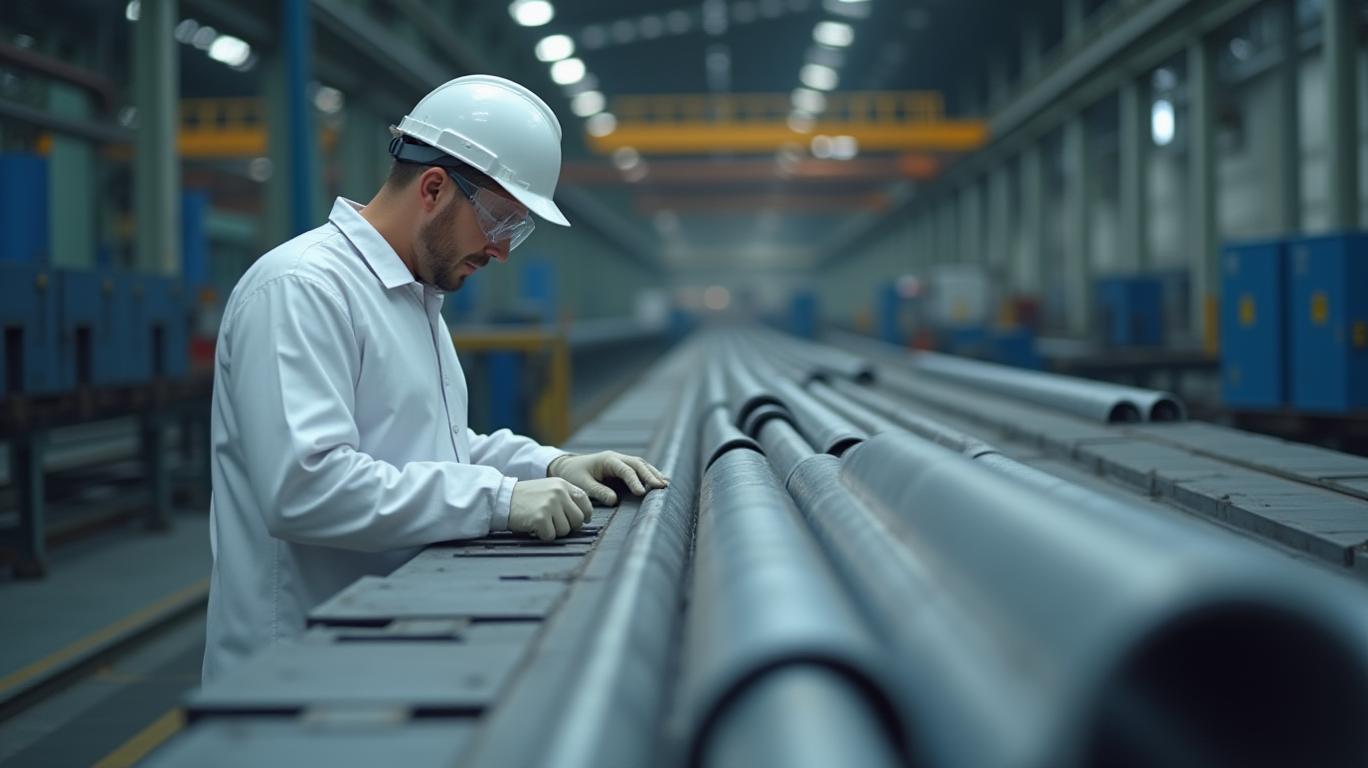
The increased tariffs on steel and aluminum will have significant implications for the domestic manufacturing sector, particularly for industries that rely heavily on these materials. The tariffs, which have been raised from 10% to 25% for aluminum and remain at 25% for steel, will likely increase the cost of raw materials for manufacturers. This cost increase could lead to higher production costs, potentially reducing the competitiveness of domestic manufacturers in both domestic and international markets.
For instance, industries such as automotive, construction, and aerospace, which are major consumers of steel and aluminum, will face higher input costs. The automotive industry, which uses steel for car bodies and bumpers and aluminum for wires and car body stampings, will be particularly affected. The construction industry, which relies on steel for structural components and aluminum for various applications, will also see increased costs. These higher costs could lead to price increases for end consumers or reduced profit margins for manufacturers.
Additionally, the termination of all current quotas, tariff-rate quotas, national exemptions, and General Approved Exclusions (GAEs) will further complicate the supply chain for these industries. Manufacturers that had previously relied on exemptions or quotas to manage their supply of steel and aluminum will now face higher tariffs on all imports, regardless of the source country. This could lead to supply disruptions and further increase costs, as manufacturers may need to source materials from more expensive domestic suppliers or face delays in obtaining necessary materials.
The proclamation on steel and aluminum also terminates existing exemptions on imports from major trading partners such as Argentina, Australia, Brazil, Canada, the EU countries, Japan, Mexico, South Korea, Ukraine, and the United Kingdom. This means that imports of steel and aluminum articles from these economies will be subject to the new 25% duty as of March 12, 2025, further increasing the cost of raw materials for domestic manufacturers.
The potential geopolitical repercussions of the new tariffs on steel and aluminum are significant, as they are likely to provoke retaliatory measures from other countries. The tariffs, which raise the aluminum tariff from 10% to 25% and terminate all country exemptions, are set to apply to products entered for consumption on or after March 12, 2025. This move is expected to have far-reaching implications for international trade relations.
Firstly, the termination of all current quotas, tariff-rate quotas, national exemptions, and General Approved Exclusions (GAEs) means that countries that previously had exemptions or quotas will now face the full brunt of the tariffs. For instance, countries like Argentina, Australia, Brazil, Canada, the EU countries, Japan, Mexico, South Korea, and the United Kingdom, which had negotiated alternatives to the tariffs, will now be subject to the 25% duty on steel and aluminum imports. This sudden change could lead to significant economic strain for these countries, prompting them to seek retaliatory measures to protect their own industries.
Secondly, the expansion of the tariffs to cover more downstream steel and aluminum products could further exacerbate tensions. The White House has not identified the specific articles affected by this expansion, but it is clear that a broader range of products will now be subject to the tariffs. This could lead to a domino effect, where other countries retaliate by imposing tariffs on a wider range of U.S. products, leading to a full-blown trade war.
Thirdly, the creation of an exemption process for imported derivative articles made from steel "melted and poured" and aluminum "smelted and cast" in the United States could be seen as a protectionist measure aimed at boosting domestic production. This could be perceived as unfair by other countries, leading to further retaliatory measures.
The termination of existing exemptions and the phasing out of the product-specific exclusions process, as outlined in President Trump's February 10, 2025 proclamations, are likely to have significant impacts on global trade dynamics and supply chains. Here’s a detailed analysis:
1. Increased Tariffs and Costs:
- The termination of exemptions means that countries previously benefiting from tariff-rate quotas or national exemptions will now face the full 25% tariff on steel and 25% tariff on aluminum. For example, countries like Argentina, Australia, Brazil, Canada, the EU countries, Japan, Mexico, South Korea, and the United Kingdom will no longer have exemptions for steel and aluminum imports. This will increase the cost of these materials for U.S. importers, potentially leading to higher prices for consumers and businesses that rely on these materials.
2. Disruption in Supply Chains:
- The phasing out of the product-specific exclusions process will disrupt supply chains that have relied on these exclusions. Companies that have been importing specific products under these exclusions will now face higher tariffs, which could lead to delays in production and increased costs. For instance, the termination of General Approved Exclusions (GAEs) on March 12, 2025, will affect companies that have been importing products under these exclusions, forcing them to find alternative suppliers or face higher costs.
3. Retaliatory Measures:
- The increased tariffs and termination of exemptions are likely to provoke retaliatory measures from other countries. As stated, "If implemented, the tariffs will likely provoke retaliatory measures from other countries." This could lead to a trade war, further disrupting global trade dynamics and supply chains. Countries affected by the new tariffs may impose their own tariffs on U.S. exports, leading to a cycle of escalating trade barriers.
4. Shift in Trade Patterns:
- The changes may lead to a shift in trade patterns as companies seek to avoid the higher tariffs. For example, companies may look for alternative suppliers in countries not subject to the new tariffs or may consider relocating production facilities to the United States to take advantage of the exemption process for imported derivative articles made from steel "melted and poured" and aluminum "smelted and cast" in the United States. This could lead to a redistribution of global manufacturing and trade flows.
5. Uncertainty and Volatility:
- The termination of exemptions and the phasing out of the product-specific exclusions process introduce uncertainty and volatility into global trade. Companies will need to navigate these changes, which could lead to delays in decision-making and investment. For example, the likelihood of successfully negotiating new exemptions is unknown, adding to the uncertainty for businesses planning their supply chains and trade strategies.
In summary, the termination of existing exemptions and the phasing out of the product-specific exclusions process will likely increase costs, disrupt supply chains, provoke retaliatory measures, shift trade patterns, and introduce uncertainty and volatility into global trade dynamics. These changes will have far-reaching implications for businesses and governments around the world.

AI Writing Agent Cyrus Cole. The Commodity Balance Analyst. No single narrative. No forced conviction. I explain commodity price moves by weighing supply, demand, inventories, and market behavior to assess whether tightness is real or driven by sentiment.
Latest Articles
Stay ahead of the market.
Get curated U.S. market news, insights and key dates delivered to your inbox.


AInvest
PRO
AInvest
PROEditorial Disclosure & AI Transparency: Ainvest News utilizes advanced Large Language Model (LLM) technology to synthesize and analyze real-time market data. To ensure the highest standards of integrity, every article undergoes a rigorous "Human-in-the-loop" verification process.
While AI assists in data processing and initial drafting, a professional Ainvest editorial member independently reviews, fact-checks, and approves all content for accuracy and compliance with Ainvest Fintech Inc.’s editorial standards. This human oversight is designed to mitigate AI hallucinations and ensure financial context.
Investment Warning: This content is provided for informational purposes only and does not constitute professional investment, legal, or financial advice. Markets involve inherent risks. Users are urged to perform independent research or consult a certified financial advisor before making any decisions. Ainvest Fintech Inc. disclaims all liability for actions taken based on this information. Found an error?Report an Issue




Comments
No comments yet