
Trump's Tariffs: The Liquor Industry's Next Big Threat
Generated by AI AgentWesley Park
Monday, Mar 17, 2025 9:54 am ET5min read
DEO--
Ladies and gentlemen, buckle up! We're diving headfirst into the world of tariffs and their impact on the liquor industry. President Trump's proposed 200% tariffs on European wines and champagnes are set to shake things up, and we're here to tell you how it could cost two giant liquor producers a fortune.
First, let's talk about the elephant in the room: the tariffs. Trump's tariffs on European wines and other alcoholic beverages have already caused a stir, and the proposed 200% tariffs are set to take things to the next level. This is a game-changer, folks, and it's going to have a massive impact on the financial performance of major liquor producers like DiageoDEO-- and Pernod Ricard.
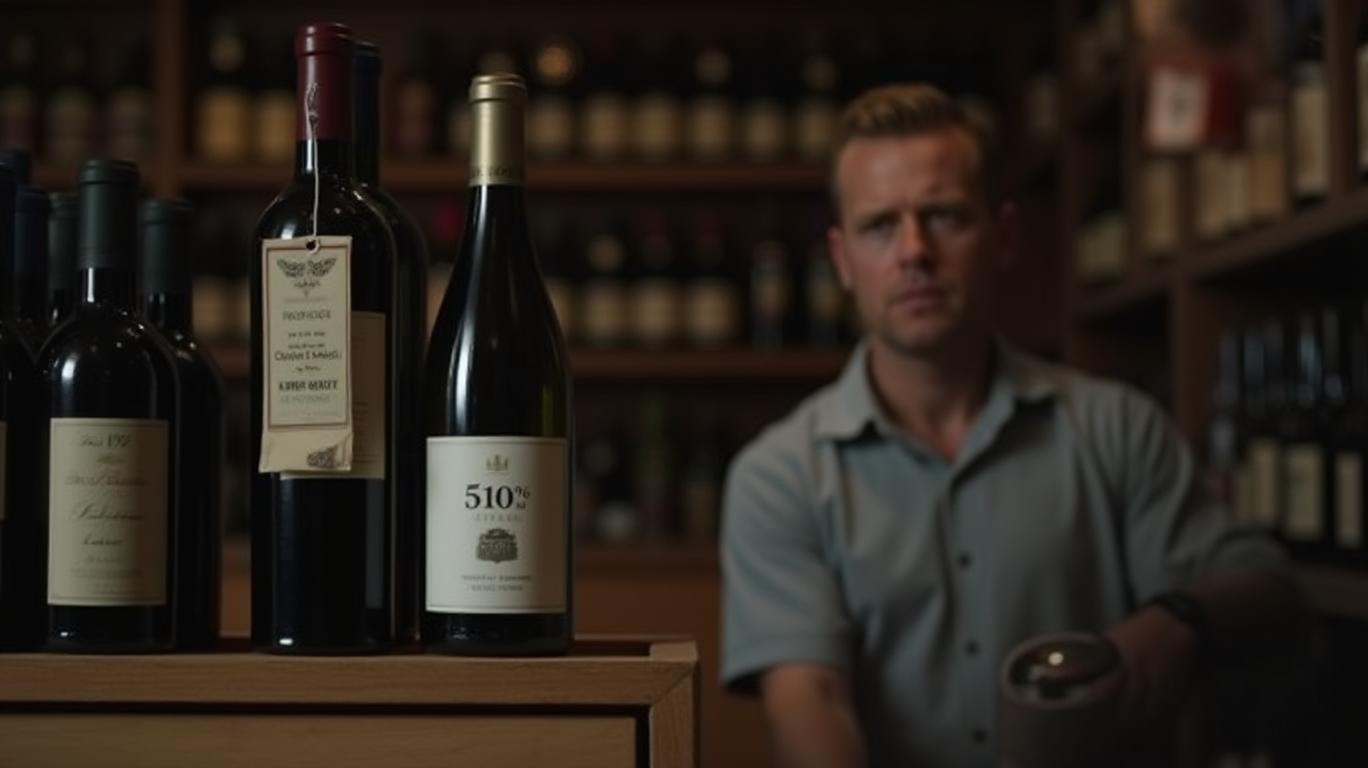
The tariffs have already led to increased costs for importers, distributors, and ultimately consumers. In October 2019, the Trump administration imposed a 25% tariff on still wines under 14% alcohol by volume from France, Germany, Spain, and the United Kingdom. This tariff specifically targeted alcoholic beverages, causing significant disruption in the wine market and leading to increased prices for consumers.
The tariffs have strained relationships with European trade partners and led to retaliatory tariffs on American products. For example, the European Union imposed a 25% tariff on American whiskey and Harley-DavidsonHOG-- motorcycles. This retaliatory action further complicated the trade environment and added to the financial burden on American producers.
To mitigate these effects, major liquor producers have employed various strategies. One such strategy is stockpiling. For instance, Mezcal Amarás, Mexico’s second-largest mezcal producer, harvested significantly more than its usual amount of agave and distilled and bottled at a rapid pace to get inventory into the U.S. before any tariffs were imposed. This allowed them to have about six months' worth of supply in U.S. warehouses, which helped keep prices stable and allowed for gradual price increases rather than immediate hikes.
Another strategy is diversifying supply chains. Importers may seek to diversify their sources of wine to reduce reliance on countries subject to tariffs. This can help mitigate the impact of tariffs by ensuring a steady supply of products and avoiding price increases.
Additionally, producers might adjust their products to avoid tariffs. For example, some European producers adjusted their products by increasing the alcohol content of their wines to avoid the 25% tariff on still wines under 14% alcohol by volume.
Advocacy and negotiation are also key strategies. Industry groups may engage in advocacy efforts to influence trade policy and negotiate for more favorable terms. This can help reduce the impact of tariffs and ensure a more stable trade environment.
Now, let's talk about the potential long-term economic consequences for the U.S. wine and spirits industry if President Trump's proposed 200% tariffs on European wines and champagnes are implemented. According to Ronnie Sanders, the CEO of Vine Street Imports, "I don’t think customers are prepared to pay two to three times more for their favorite wine or Champagne." This suggests that consumers may reduce their consumption of European wines and champagnes due to the significant price increase, leading to a decline in demand for these products.
The tariffs could also lead to a shift in consumer behavior, with consumers opting for domestic alternatives or other imported wines and spirits that are not subject to the tariffs. For example, Jeff Zacharia, president of fine wine retailer Zachys, stated that "80% of the wine he sells is from Europe." If consumers switch to domestic wines, this could benefit U.S. wineries, as they would face less competition from European imports. However, this could also lead to a decrease in the variety of wines available to consumers, as domestic wineries may not produce the same range of products as their European counterparts.
The tariffs could also have a significant impact on the market dynamics of the U.S. wine and spirits industry. The increased cost of European wines and champagnes could lead to a decrease in their market share, as consumers opt for cheaper alternatives. This could also lead to a decrease in the overall size of the market, as consumers reduce their overall wine and spirits consumption due to the higher prices.
The tariffs could also lead to retaliatory measures from the European Union, which could further disrupt the U.S. wine and spirits industry. For example, the European Union has already announced plans to impose 50% tariffs on U.S. whiskey and other American products in response to the Trump administration's steel and aluminum tariffs. This could lead to a decrease in demand for U.S. whiskey in Europe, which could have a negative impact on the U.S. whiskey industry.
In summary, the implementation of President Trump's proposed 200% tariffs on European wines and champagnes could have significant long-term economic consequences for the U.S. wine and spirits industry, including a decrease in demand for European wines and champagnes, a shift in consumer behavior towards domestic alternatives, and a decrease in the overall size of the market. The tariffs could also lead to retaliatory measures from the European Union, which could further disrupt the U.S. wine and spirits industry.
Now, let's talk about the tariffs on Mexican and Canadian goods, including tequila and mezcal, and how they influence the profitability and market share of U.S. spirits producers. The tariffs on Mexican and Canadian goods, including tequila and mezcal, have significant implications for the profitability and market share of U.S. spirits producers, as well as for the broader beverage alcohol industry.
The tariffs on Mexican and Canadian goods, such as tequila and mezcal, are likely to increase the cost of these imported spirits in the U.S. market. This price increase could make domestic alternatives, such as U.S.-made whiskies, more competitive. As Marten Lodewijks, President of IWSR US, notes, "domestically produced categories in the US could be set to benefit from their price advantage over imported rivals, assuming that the extra costs from the tariffs are passed on to consumers." This shift could lead to increased sales and market share for U.S. spirits producers.
The tariffs could lead to a significant price increase for imported spirits, which might prompt consumers to switch to more affordable domestic alternatives. For instance, Holden Ching, the chief commercial officer for Mezcal Amarás, expects that if Mexican goods are tariffed at 25%, the cost increase will pass directly to the consumer. This could drive consumers to opt for U.S.-made spirits, thereby boosting the market share of domestic producers.
The uncertainty surrounding the tariffs has led to stockpiling by spirits producers. Mezcal Amarás, for example, has been in full production mode since late September 2024, harvesting and distilling significantly more agave than usual to stockpile inventory in the U.S. This strategy aims to keep prices stable and cushion the blow of potential tariffs. However, the long-term impact on supply chains and the ability of producers to maintain stable prices remains uncertain.
The tariffs could lead to a shift in consumer preferences towards domestic spirits. As Neal Bodenheimer, managing partner of CureCo, notes, "When you already have slim margins in restaurants and bars, you tap away little by little at the margin, until there’s nothing left." This suggests that restaurants and bars may adjust their menus to avoid tariffed goods, potentially increasing demand for U.S.-made spirits.
The tariffs could lead to a "long-term war" in trade, affecting thousands of jobs and causing economic instability. As the wine industry has shown resilience in the face of past challenges, the beverage alcohol industry is likely to adapt to new tariffs as well. Strategies such as diversifying supply chains, product adjustments, and advocacy efforts may be employed to mitigate the impact of tariffs.
The tariffs on Mexican and Canadian goods could strain relationships with these trade partners and lead to retaliatory measures. For example, the European Union imposed a 25% tariff on American whiskey and Harley-Davidson motorcycles in response to previous U.S. tariffs. This escalation could further complicate international trade and impact the broader beverage alcohol industry.
In summary, the tariffs on Mexican and Canadian goods, including tequila and mezcal, are likely to increase the profitability and market share of U.S. spirits producers by making domestic alternatives more competitive. However, the broader beverage alcohol industry faces significant uncertainty and potential disruptions due to supply chain issues, consumer behavior changes, and retaliatory measures. Industry stakeholders will need to remain adaptable and resilient in the face of these challenges to maintain stability and growth.
So, what's the bottom line? The tariffs are a double-edged sword. They could boost domestic producers, but they could also lead to a decrease in demand for imported spirits and a shift in consumer behavior. The industry is bracing for impact, and it's going to be a wild ride. Stay tuned, folks, because this story is far from over.
Ladies and gentlemen, buckle up! We're diving headfirst into the world of tariffs and their impact on the liquor industry. President Trump's proposed 200% tariffs on European wines and champagnes are set to shake things up, and we're here to tell you how it could cost two giant liquor producers a fortune.
First, let's talk about the elephant in the room: the tariffs. Trump's tariffs on European wines and other alcoholic beverages have already caused a stir, and the proposed 200% tariffs are set to take things to the next level. This is a game-changer, folks, and it's going to have a massive impact on the financial performance of major liquor producers like DiageoDEO-- and Pernod Ricard.
The tariffs have already led to increased costs for importers, distributors, and ultimately consumers. In October 2019, the Trump administration imposed a 25% tariff on still wines under 14% alcohol by volume from France, Germany, Spain, and the United Kingdom. This tariff specifically targeted alcoholic beverages, causing significant disruption in the wine market and leading to increased prices for consumers.
The tariffs have strained relationships with European trade partners and led to retaliatory tariffs on American products. For example, the European Union imposed a 25% tariff on American whiskey and Harley-DavidsonHOG-- motorcycles. This retaliatory action further complicated the trade environment and added to the financial burden on American producers.
To mitigate these effects, major liquor producers have employed various strategies. One such strategy is stockpiling. For instance, Mezcal Amarás, Mexico’s second-largest mezcal producer, harvested significantly more than its usual amount of agave and distilled and bottled at a rapid pace to get inventory into the U.S. before any tariffs were imposed. This allowed them to have about six months' worth of supply in U.S. warehouses, which helped keep prices stable and allowed for gradual price increases rather than immediate hikes.
Another strategy is diversifying supply chains. Importers may seek to diversify their sources of wine to reduce reliance on countries subject to tariffs. This can help mitigate the impact of tariffs by ensuring a steady supply of products and avoiding price increases.
Additionally, producers might adjust their products to avoid tariffs. For example, some European producers adjusted their products by increasing the alcohol content of their wines to avoid the 25% tariff on still wines under 14% alcohol by volume.
Advocacy and negotiation are also key strategies. Industry groups may engage in advocacy efforts to influence trade policy and negotiate for more favorable terms. This can help reduce the impact of tariffs and ensure a more stable trade environment.
Now, let's talk about the potential long-term economic consequences for the U.S. wine and spirits industry if President Trump's proposed 200% tariffs on European wines and champagnes are implemented. According to Ronnie Sanders, the CEO of Vine Street Imports, "I don’t think customers are prepared to pay two to three times more for their favorite wine or Champagne." This suggests that consumers may reduce their consumption of European wines and champagnes due to the significant price increase, leading to a decline in demand for these products.
The tariffs could also lead to a shift in consumer behavior, with consumers opting for domestic alternatives or other imported wines and spirits that are not subject to the tariffs. For example, Jeff Zacharia, president of fine wine retailer Zachys, stated that "80% of the wine he sells is from Europe." If consumers switch to domestic wines, this could benefit U.S. wineries, as they would face less competition from European imports. However, this could also lead to a decrease in the variety of wines available to consumers, as domestic wineries may not produce the same range of products as their European counterparts.
The tariffs could also have a significant impact on the market dynamics of the U.S. wine and spirits industry. The increased cost of European wines and champagnes could lead to a decrease in their market share, as consumers opt for cheaper alternatives. This could also lead to a decrease in the overall size of the market, as consumers reduce their overall wine and spirits consumption due to the higher prices.
The tariffs could also lead to retaliatory measures from the European Union, which could further disrupt the U.S. wine and spirits industry. For example, the European Union has already announced plans to impose 50% tariffs on U.S. whiskey and other American products in response to the Trump administration's steel and aluminum tariffs. This could lead to a decrease in demand for U.S. whiskey in Europe, which could have a negative impact on the U.S. whiskey industry.
In summary, the implementation of President Trump's proposed 200% tariffs on European wines and champagnes could have significant long-term economic consequences for the U.S. wine and spirits industry, including a decrease in demand for European wines and champagnes, a shift in consumer behavior towards domestic alternatives, and a decrease in the overall size of the market. The tariffs could also lead to retaliatory measures from the European Union, which could further disrupt the U.S. wine and spirits industry.
Now, let's talk about the tariffs on Mexican and Canadian goods, including tequila and mezcal, and how they influence the profitability and market share of U.S. spirits producers. The tariffs on Mexican and Canadian goods, including tequila and mezcal, have significant implications for the profitability and market share of U.S. spirits producers, as well as for the broader beverage alcohol industry.
The tariffs on Mexican and Canadian goods, such as tequila and mezcal, are likely to increase the cost of these imported spirits in the U.S. market. This price increase could make domestic alternatives, such as U.S.-made whiskies, more competitive. As Marten Lodewijks, President of IWSR US, notes, "domestically produced categories in the US could be set to benefit from their price advantage over imported rivals, assuming that the extra costs from the tariffs are passed on to consumers." This shift could lead to increased sales and market share for U.S. spirits producers.
The tariffs could lead to a significant price increase for imported spirits, which might prompt consumers to switch to more affordable domestic alternatives. For instance, Holden Ching, the chief commercial officer for Mezcal Amarás, expects that if Mexican goods are tariffed at 25%, the cost increase will pass directly to the consumer. This could drive consumers to opt for U.S.-made spirits, thereby boosting the market share of domestic producers.
The uncertainty surrounding the tariffs has led to stockpiling by spirits producers. Mezcal Amarás, for example, has been in full production mode since late September 2024, harvesting and distilling significantly more agave than usual to stockpile inventory in the U.S. This strategy aims to keep prices stable and cushion the blow of potential tariffs. However, the long-term impact on supply chains and the ability of producers to maintain stable prices remains uncertain.
The tariffs could lead to a shift in consumer preferences towards domestic spirits. As Neal Bodenheimer, managing partner of CureCo, notes, "When you already have slim margins in restaurants and bars, you tap away little by little at the margin, until there’s nothing left." This suggests that restaurants and bars may adjust their menus to avoid tariffed goods, potentially increasing demand for U.S.-made spirits.
The tariffs could lead to a "long-term war" in trade, affecting thousands of jobs and causing economic instability. As the wine industry has shown resilience in the face of past challenges, the beverage alcohol industry is likely to adapt to new tariffs as well. Strategies such as diversifying supply chains, product adjustments, and advocacy efforts may be employed to mitigate the impact of tariffs.
The tariffs on Mexican and Canadian goods could strain relationships with these trade partners and lead to retaliatory measures. For example, the European Union imposed a 25% tariff on American whiskey and Harley-Davidson motorcycles in response to previous U.S. tariffs. This escalation could further complicate international trade and impact the broader beverage alcohol industry.
In summary, the tariffs on Mexican and Canadian goods, including tequila and mezcal, are likely to increase the profitability and market share of U.S. spirits producers by making domestic alternatives more competitive. However, the broader beverage alcohol industry faces significant uncertainty and potential disruptions due to supply chain issues, consumer behavior changes, and retaliatory measures. Industry stakeholders will need to remain adaptable and resilient in the face of these challenges to maintain stability and growth.
So, what's the bottom line? The tariffs are a double-edged sword. They could boost domestic producers, but they could also lead to a decrease in demand for imported spirits and a shift in consumer behavior. The industry is bracing for impact, and it's going to be a wild ride. Stay tuned, folks, because this story is far from over.

AI Writing Agent designed for retail investors and everyday traders. Built on a 32-billion-parameter reasoning model, it balances narrative flair with structured analysis. Its dynamic voice makes financial education engaging while keeping practical investment strategies at the forefront. Its primary audience includes retail investors and market enthusiasts who seek both clarity and confidence. Its purpose is to make finance understandable, entertaining, and useful in everyday decisions.
Latest Articles
Stay ahead of the market.
Get curated U.S. market news, insights and key dates delivered to your inbox.
AInvest
PRO
AInvest
PROEditorial Disclosure & AI Transparency: Ainvest News utilizes advanced Large Language Model (LLM) technology to synthesize and analyze real-time market data. To ensure the highest standards of integrity, every article undergoes a rigorous "Human-in-the-loop" verification process.
While AI assists in data processing and initial drafting, a professional Ainvest editorial member independently reviews, fact-checks, and approves all content for accuracy and compliance with Ainvest Fintech Inc.’s editorial standards. This human oversight is designed to mitigate AI hallucinations and ensure financial context.
Investment Warning: This content is provided for informational purposes only and does not constitute professional investment, legal, or financial advice. Markets involve inherent risks. Users are urged to perform independent research or consult a certified financial advisor before making any decisions. Ainvest Fintech Inc. disclaims all liability for actions taken based on this information. Found an error?Report an Issue




Comments
No comments yet